Sitting here at Athens airport waiting on the flight to Rome, I am filled with conflicting emotion. We have really fallen for Greece, both the islands of Leros and Crete, our two wonderful islands in the sun with the most friendly people. But we can’t be too sad because we are off to another adventure, with new people, food and paces to explore.
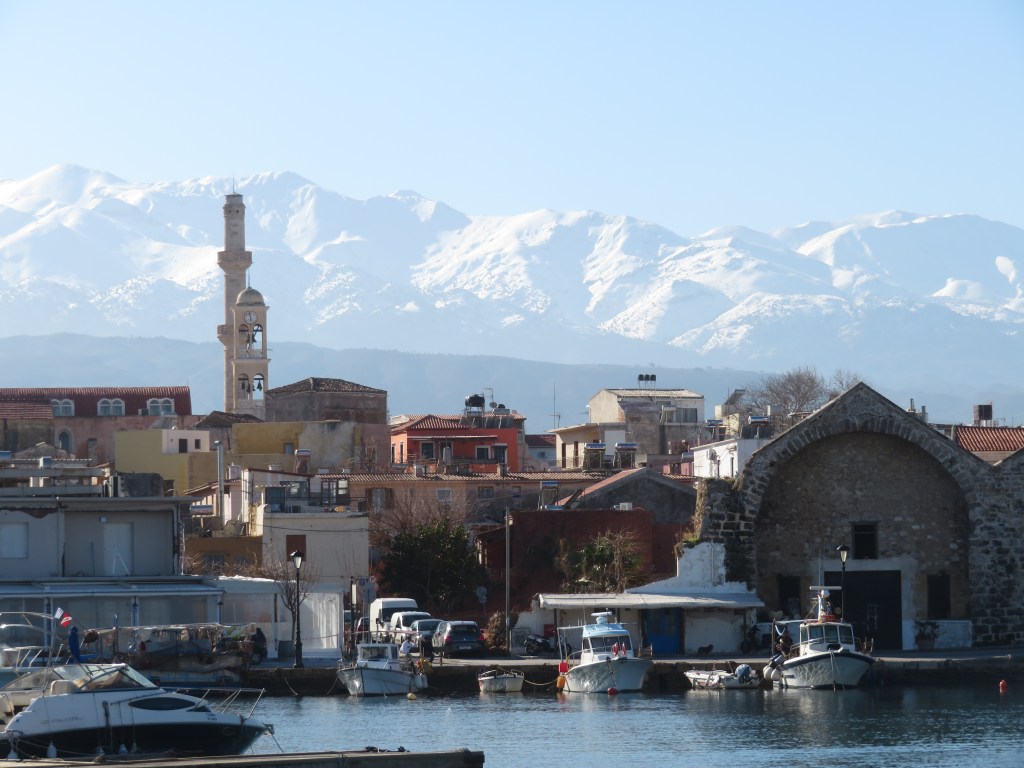
Crete has been a lot of fun! We have to remember that it is winter here so it can be a bit slower than it is in the summer months, though the weather is still very agreeable. We had sunshine most days and the island looked so wonderful and bright, temps got up to 19° C so very pleasant indeed.
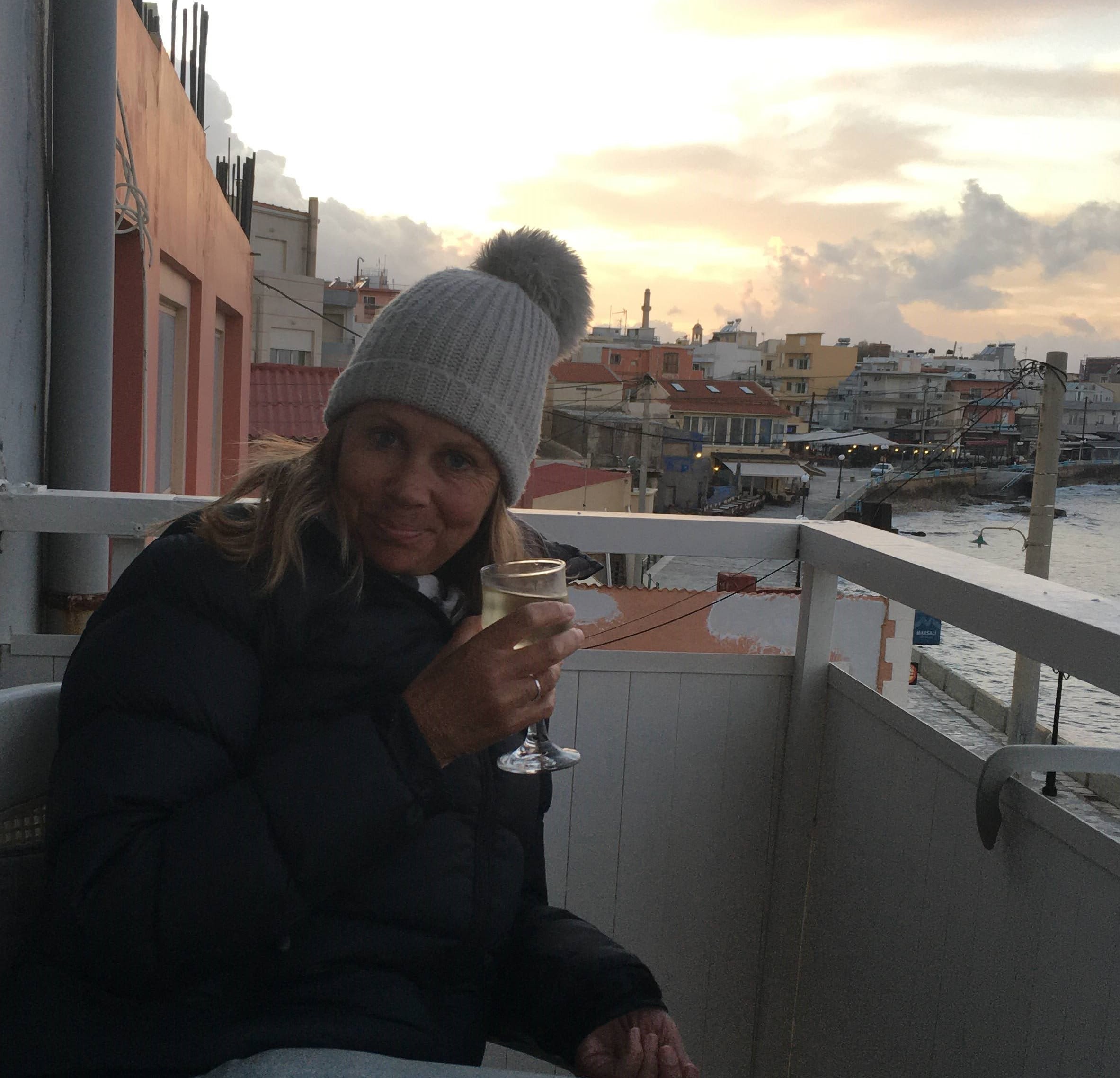
We flew into Chania and stayed for 5 nights. We had a room right on the water-front, the location was amazing with a little deck looking out to sea. The evenings were a bit cool to sit out there for long, but we did our best!

Chania has an old Venetian port and a walled city. The old town was so cute with its narrow streets and wonky buildings. But the most amazing thing we found was the mountains behind. We met a lovely lady in Leros who said, don’t forget to look behind you when you are in Chania, the mountains are amazing. She didn’t tell us that they would be covered in snow and be quite so spectacular, she wanted that to be a surprise, and a surprise it was! You could be forgiven to think you were somewhere like Switzerland, the sight caught our breath every time we looked behind us! You felt like you could almost reach out and touch them!
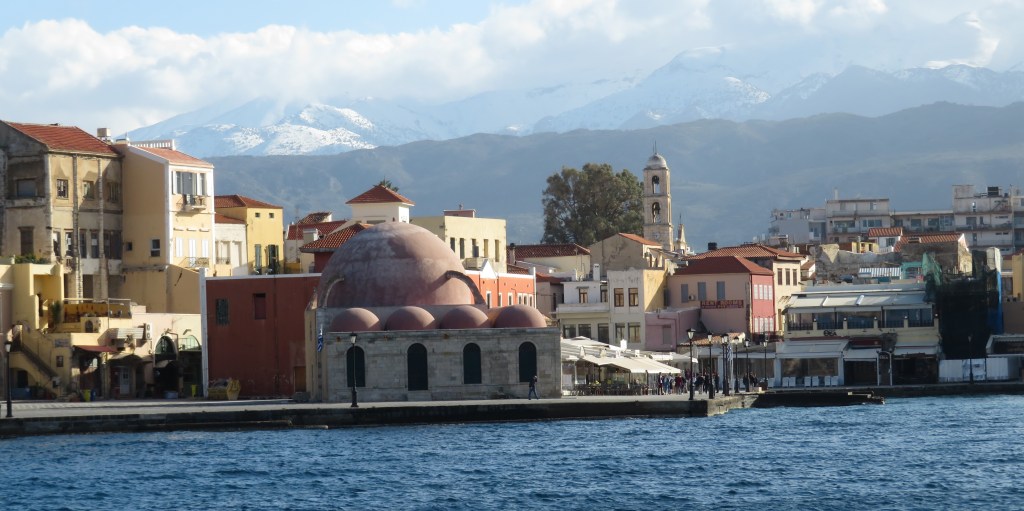
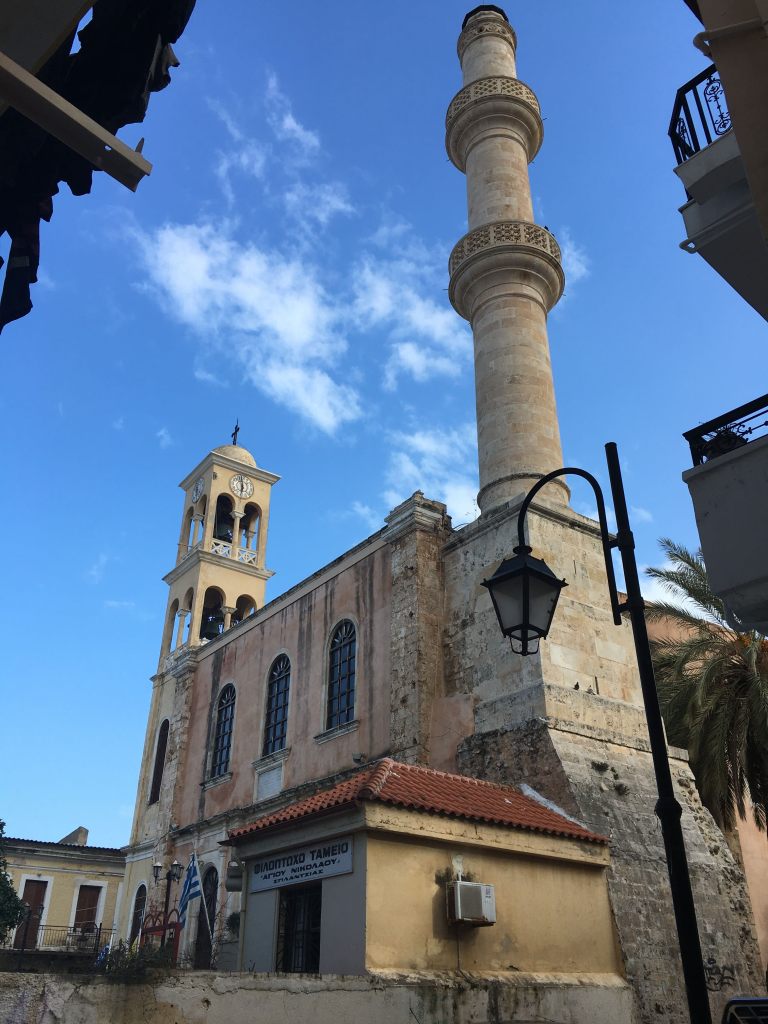
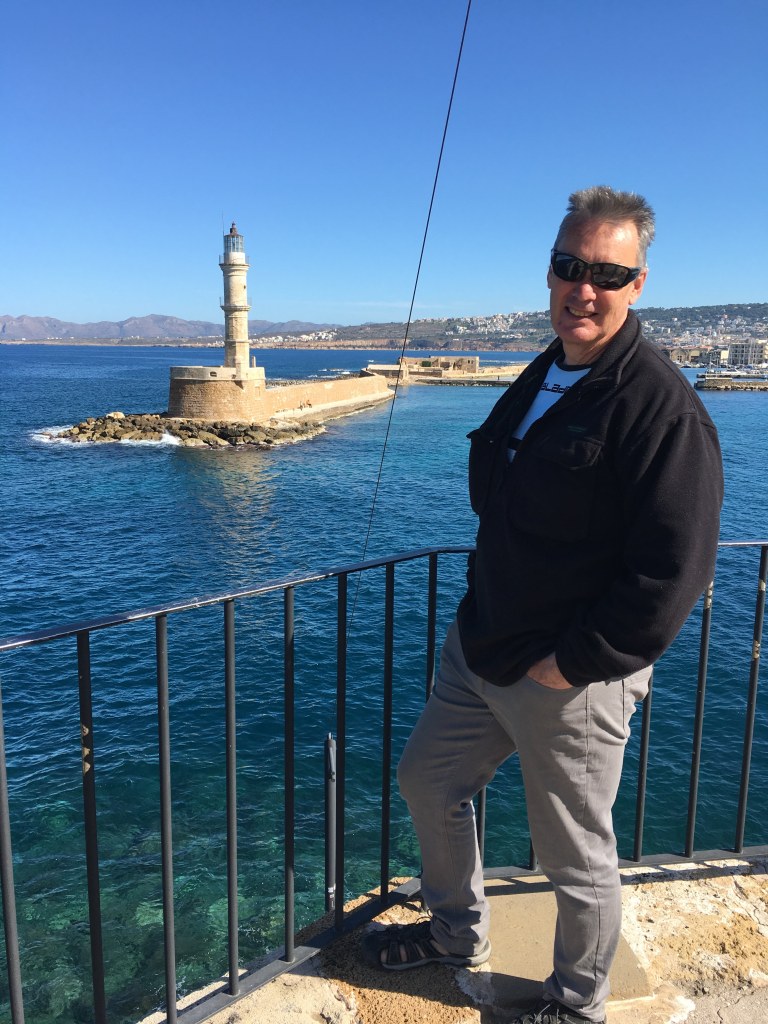
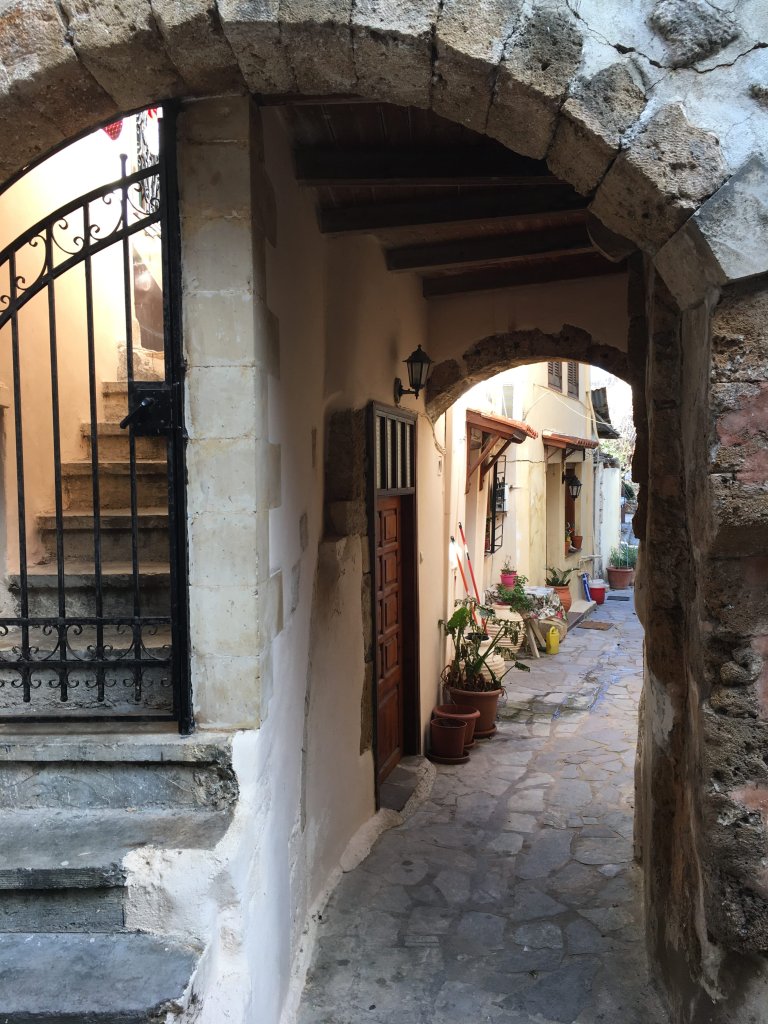
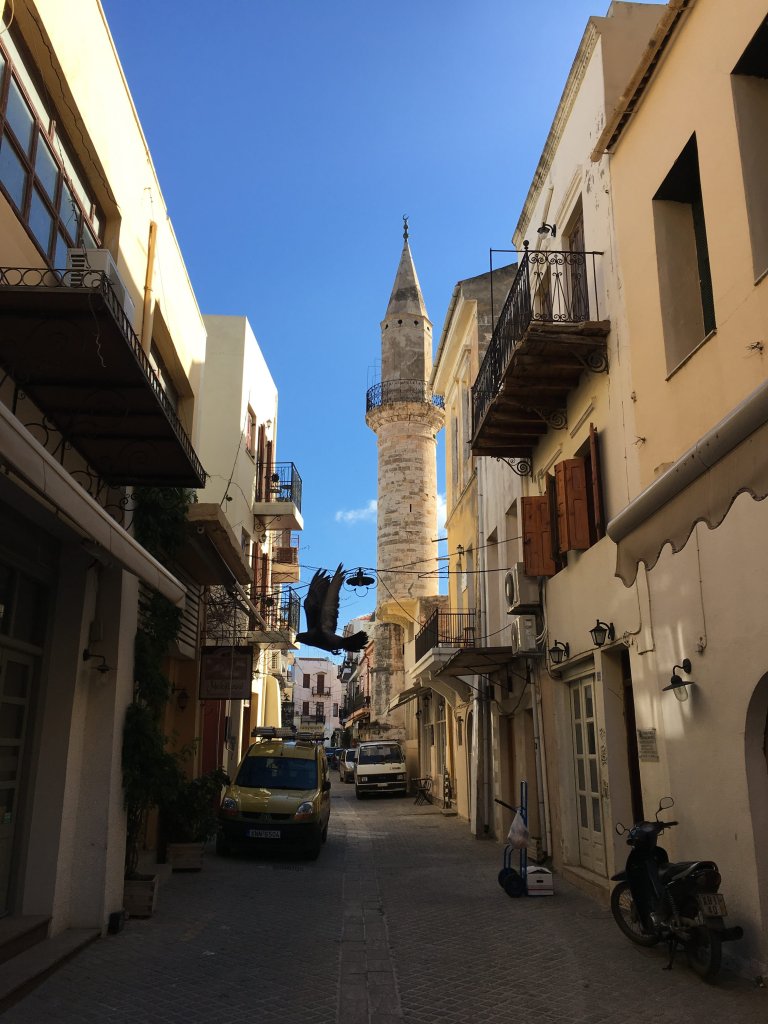
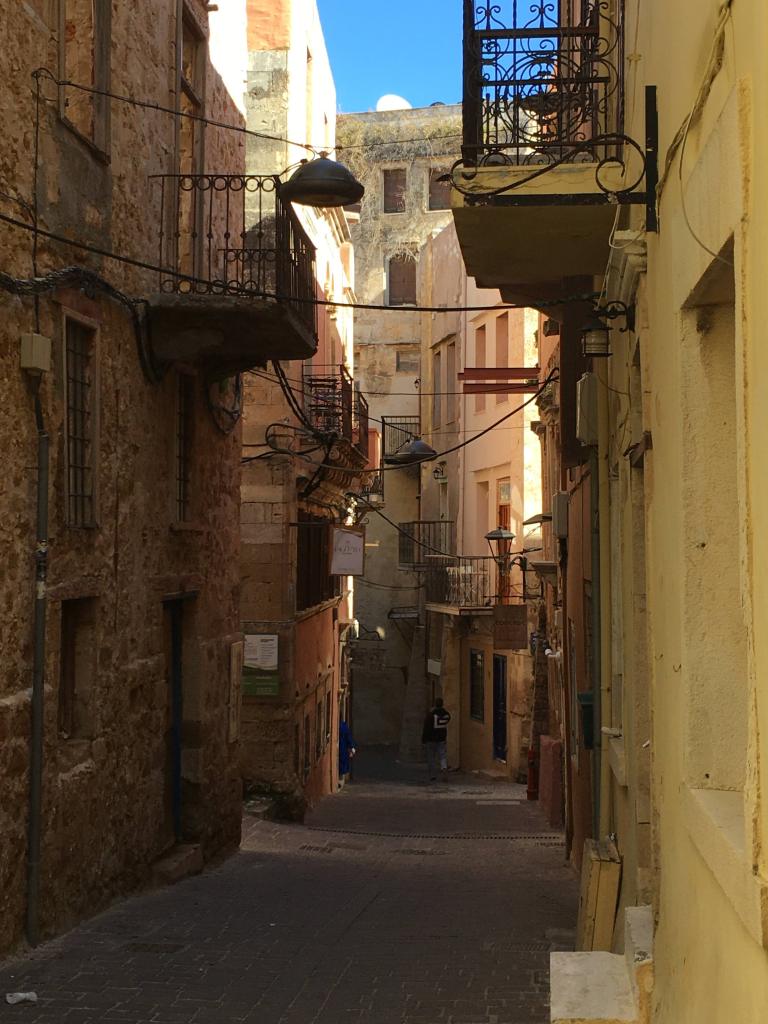
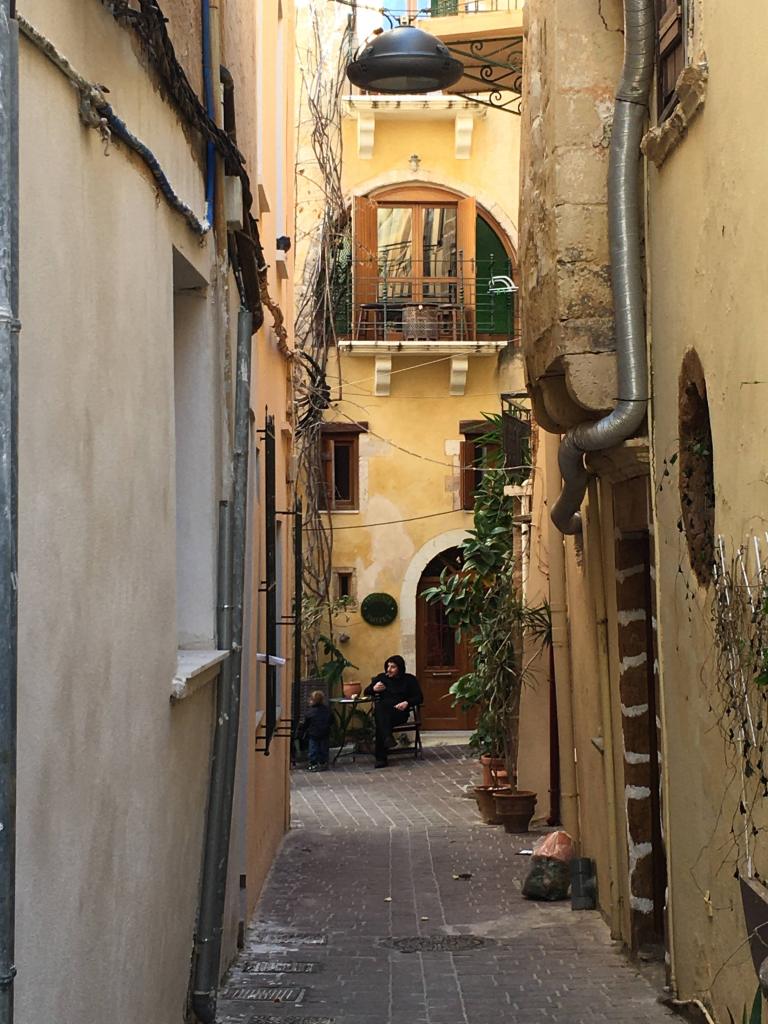
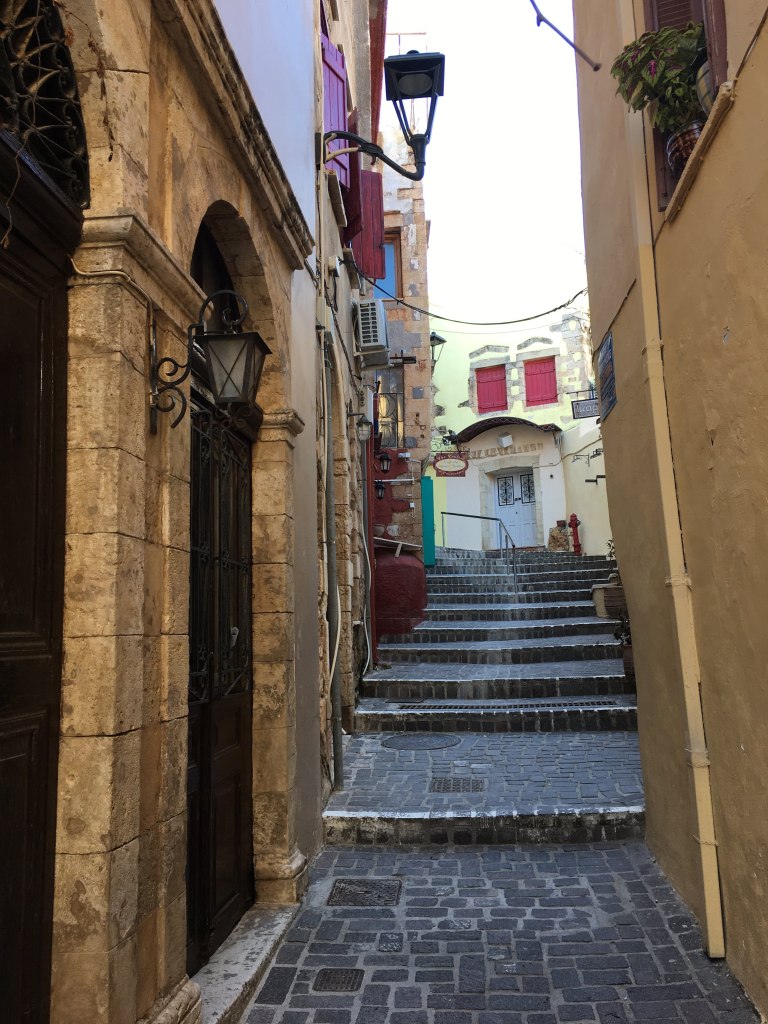
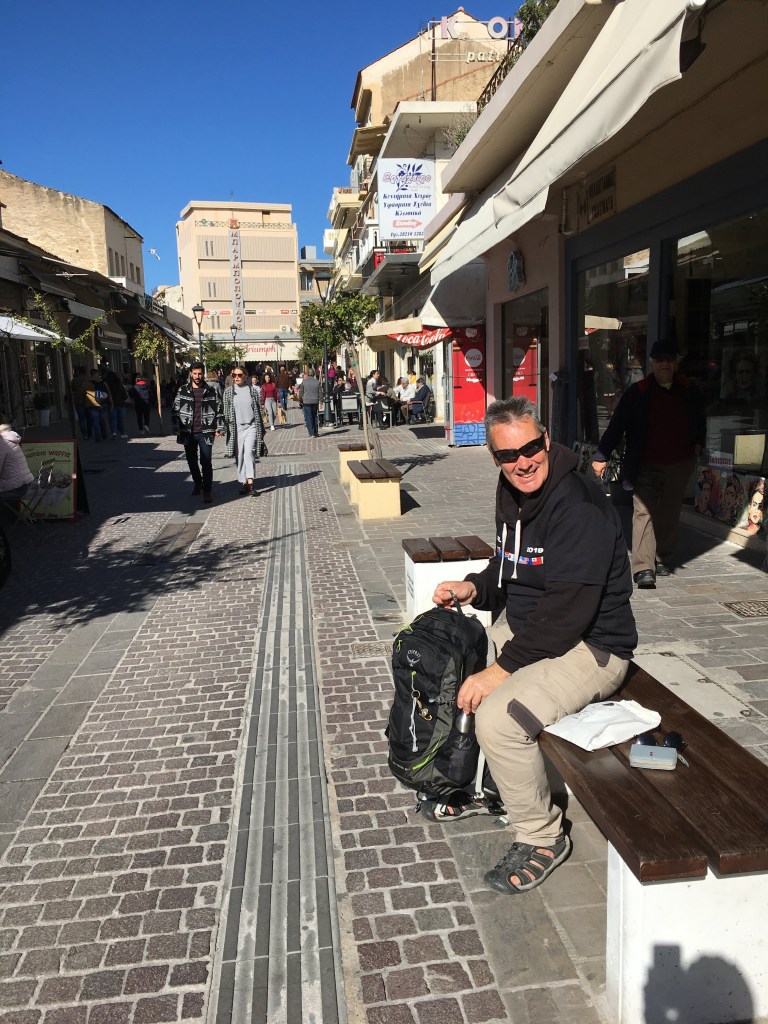
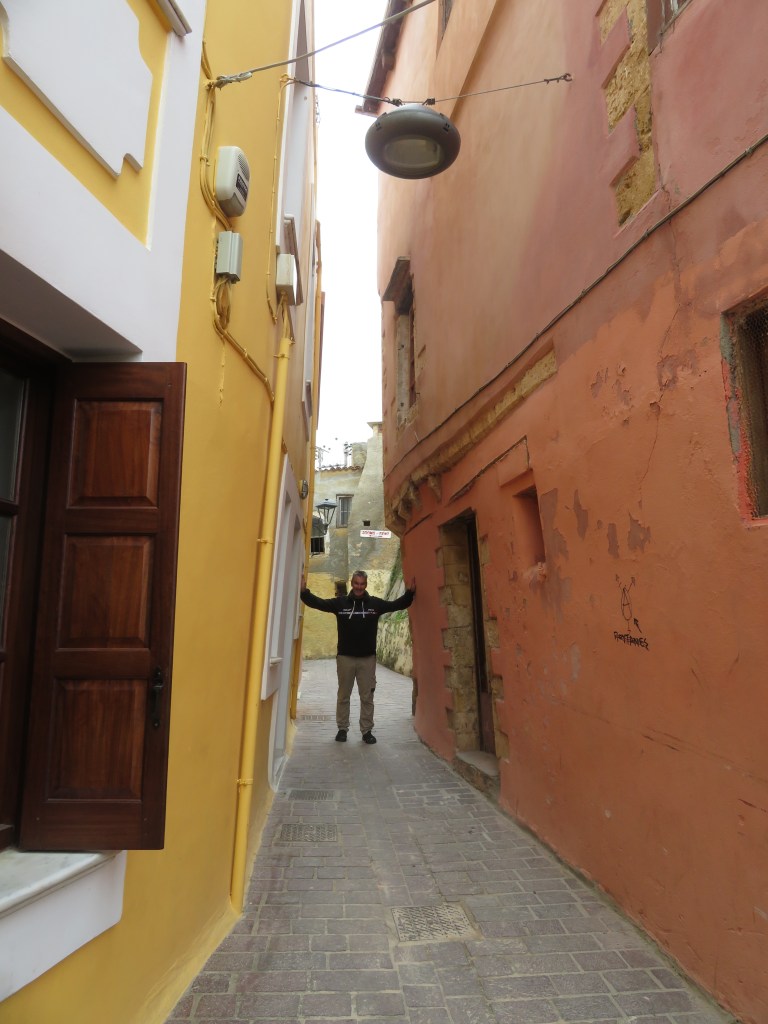
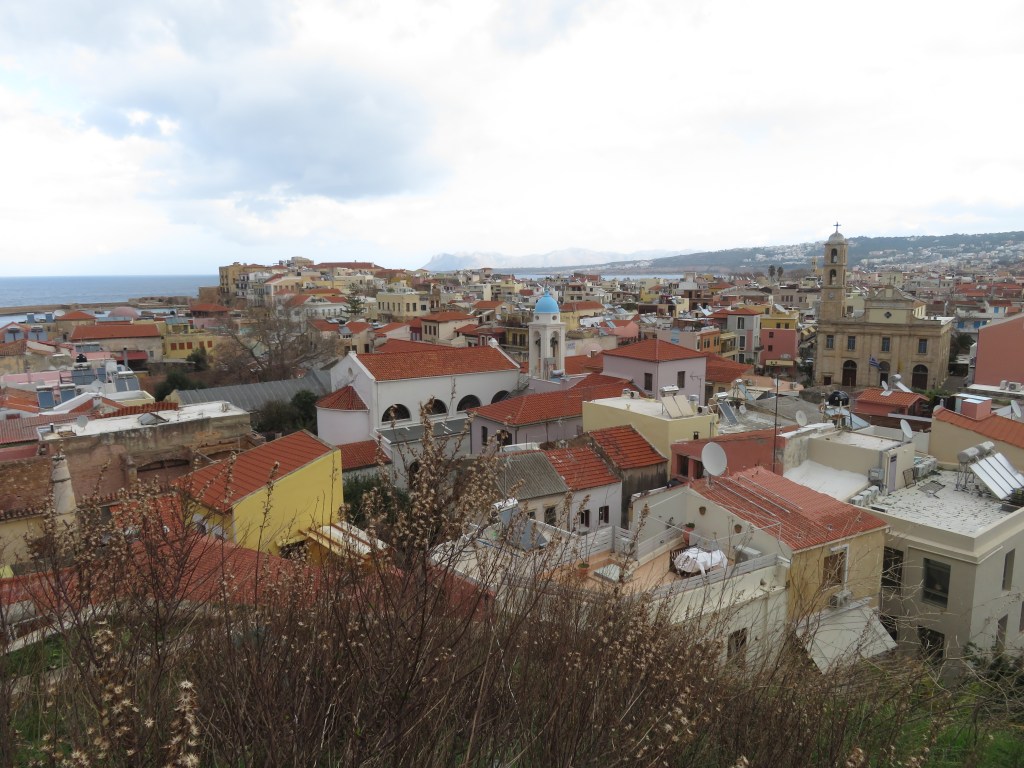

We did a lot of walking in Chania, but that is easy, everything is in walking distance. And if it is not then the bus system is very efficient. Though we did always seem to be the last people on the bus! Again, a lot of English is spoken so that makes a huge difference.
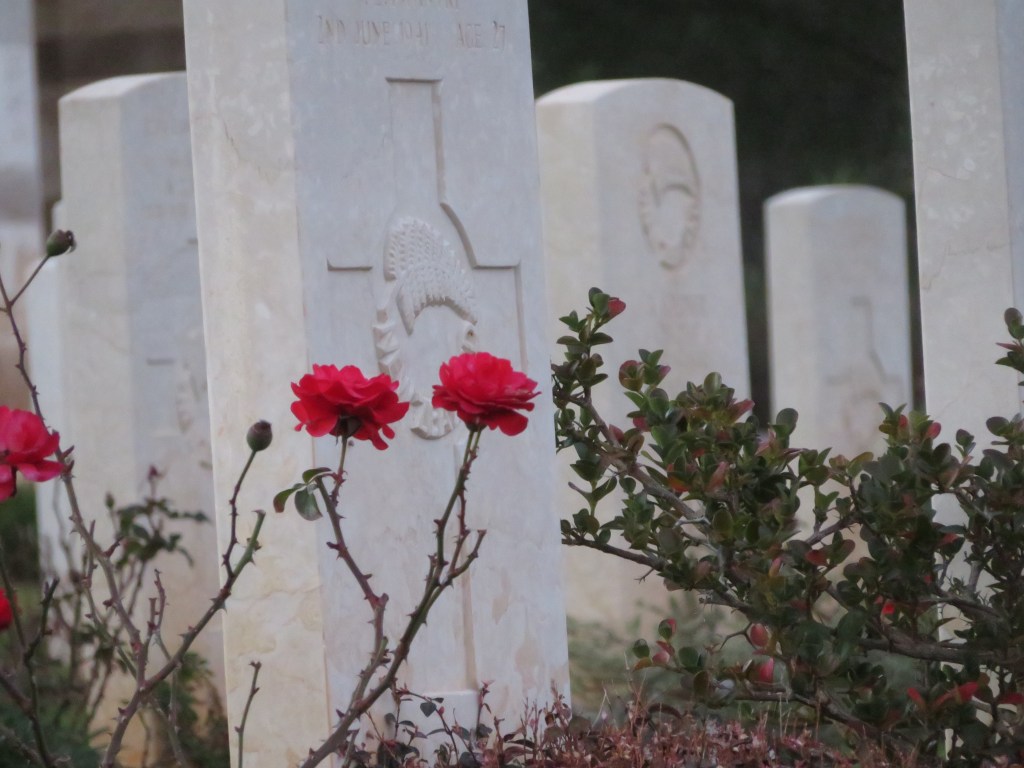
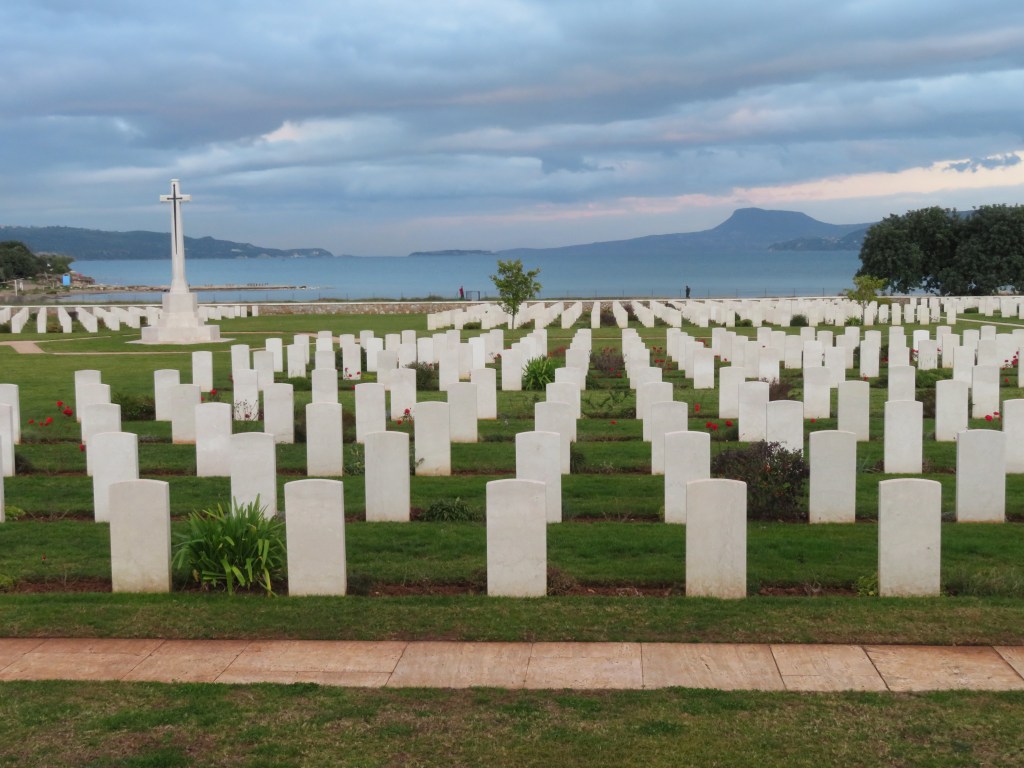
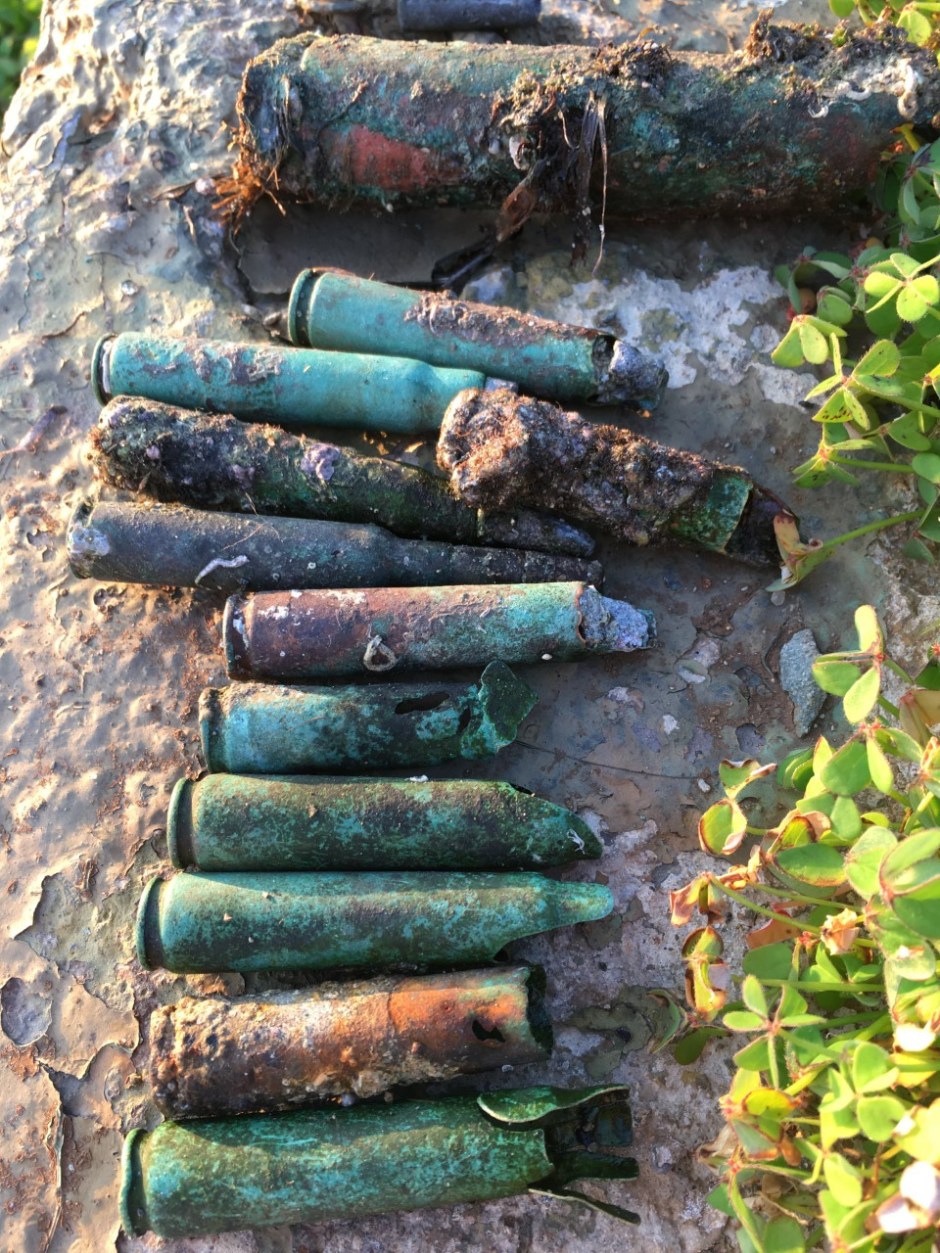
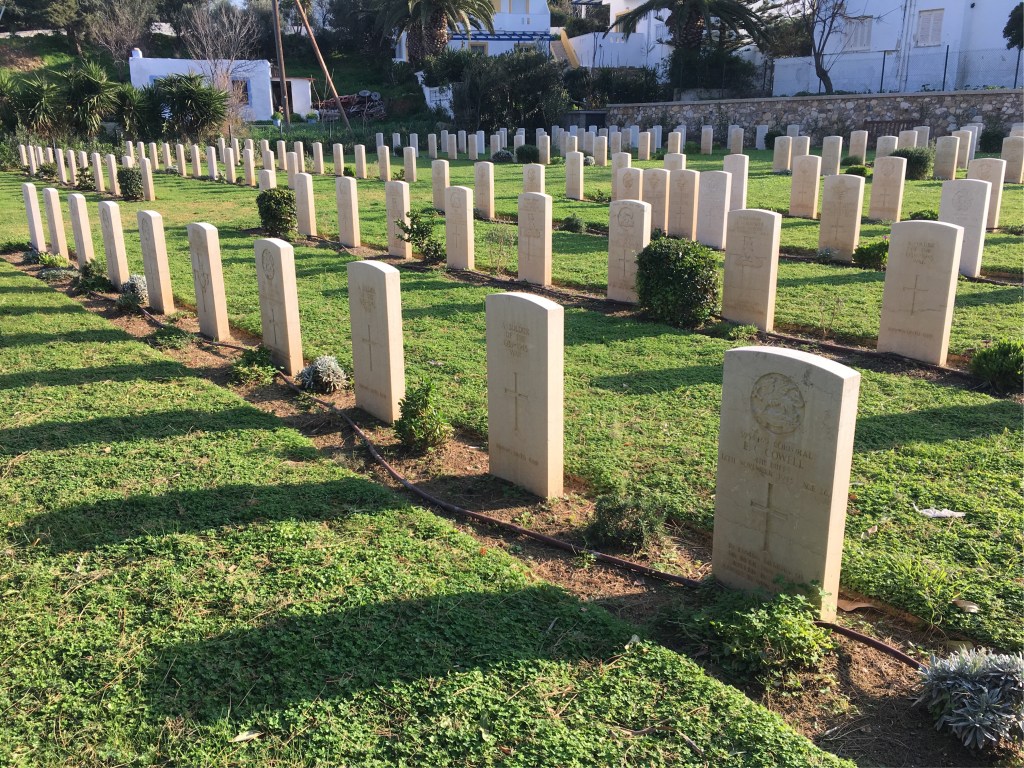
We took a bus out to Souda Bay one afternoon and then walked the 2 km to the war graves cemetery. During the battle of Crete in 1941, 1000’s of brave New Zealand, Australian and British soldiers were killed. It was a very emotional place, we both felt bewildered when we saw the shear number of silver fern gravestones. Of the 1527 graves, 446 were New Zealanders, that is almost a third. This is the biggest war cemetery we have seen. We were there until twilight, it was very moving.
Leaving the cemetery we found a small local restaurant, not so much English here! We were shown the food which had been cooked and chose what we wanted, delicious beef with tomato sauce. Such friendly, hospitable people. That is a big part of what we love about Greece, the people!! Just amazing.
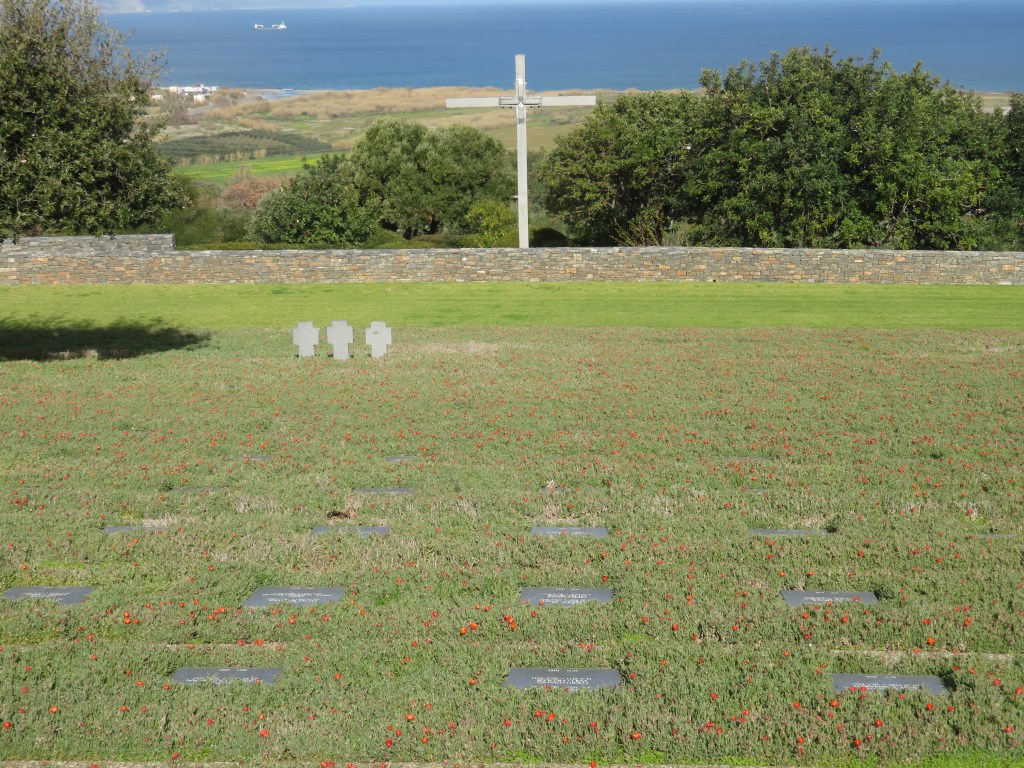
We took a trip out to Maleme which was the location of a huge battle during the war. The air strip there was a target to control and the battle went for days. We walked through the olive groves and came to the German war cemetery, we were glad to pay respect to these fallen soldiers too, they also had heavy losses.
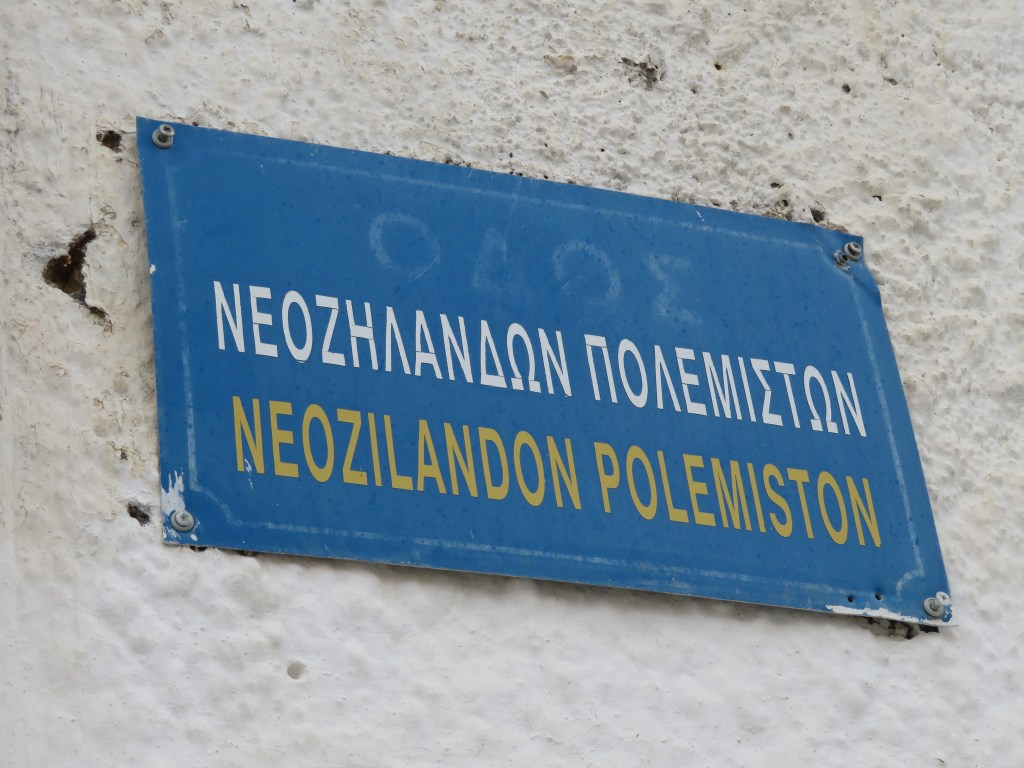
A trip out to Galatas, Where New Zealand soldiers made a stand and held the Germans off while the Allies could escape. So well the kiwis were thought of, that the locals named a street after them! We have read so many stories of bravery by our boys. It is so important to remember the sacrifices these family’s made for us to live in the world we live today.
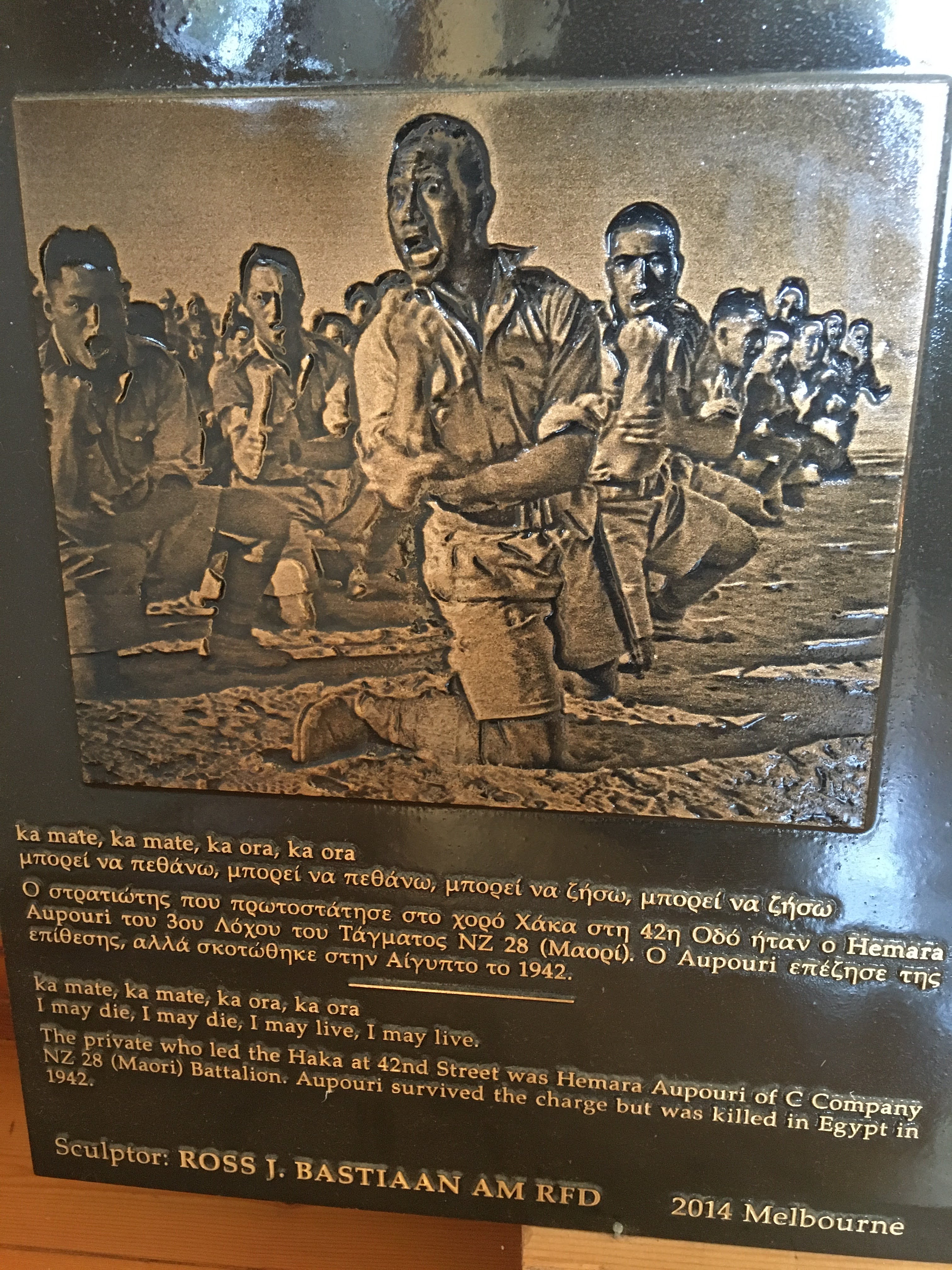
One particular story really touched me, of a soldier from the Maori Battalion. After 7 days of fighting near Souda Bay, they were exhausted and hungry, the Germans were approaching from the west. As they made contact, Private Aupouri ran out from his defence position wielding a Bren gun like a Taiaha (Traditional Maori spear) And did the Haka! (Traditional Maori war dance) at this they all rose up, NZ and Australian, yelling defiantly and charged as one. The Germans fled, overwhelmed by the ferocity of the attack! For 1000m they pushed them back through the olive grove to open ground then withdrew back to their defence position at “42nd street” This temporarily delayed the advance and allowed 1000’s of Allies more time to get across the White mountain range to the evacuation point on the south of the island. Very sad to note that Aupouri survived the charge but was later killed in Egypt.
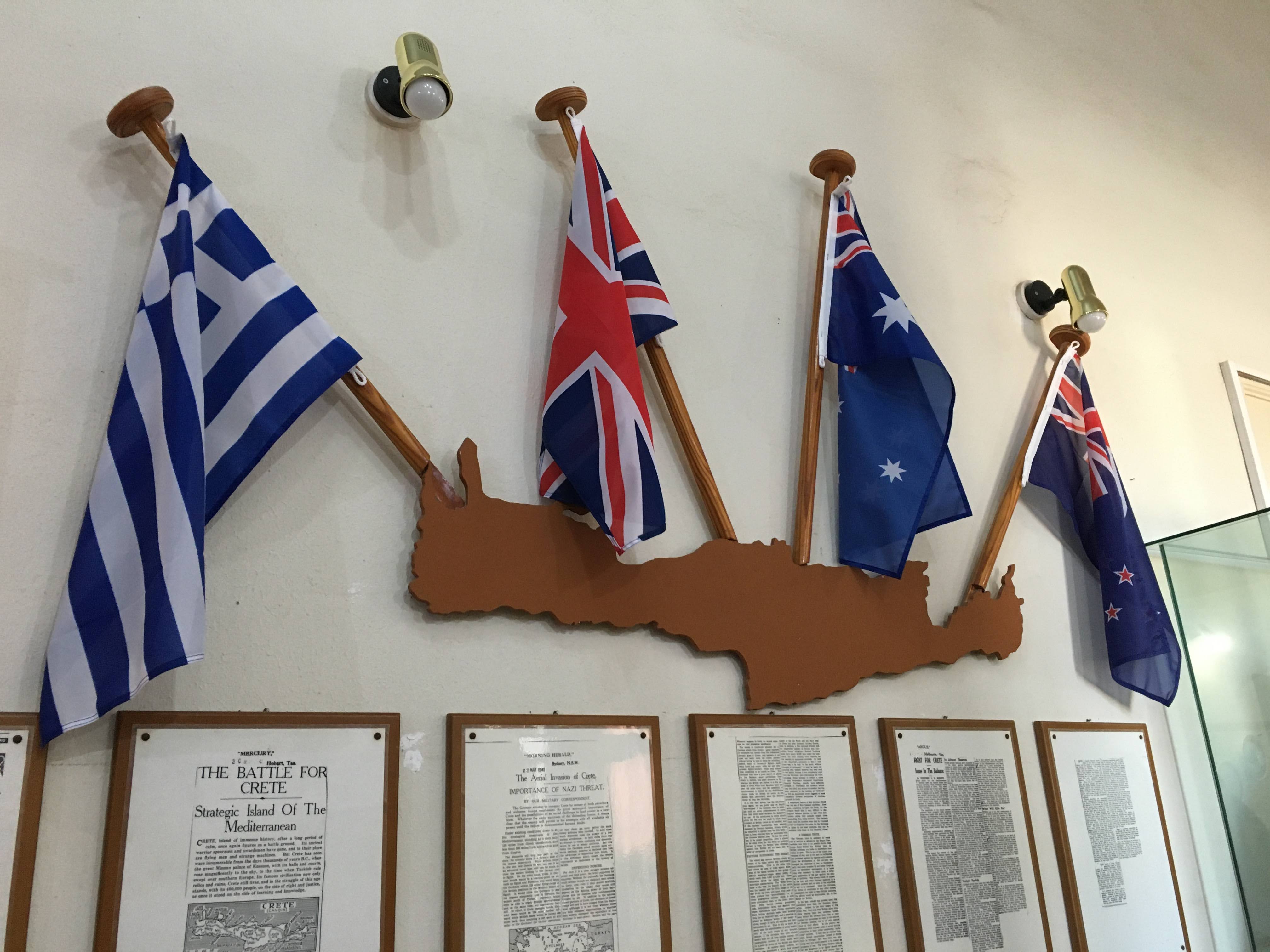
I am certain there are many many more stories of tremendous bravery, on all sides, stories that will never be told, very sad.
Did you know …. The Greeks have been Mariners for around 6000 years! Unbelievable!
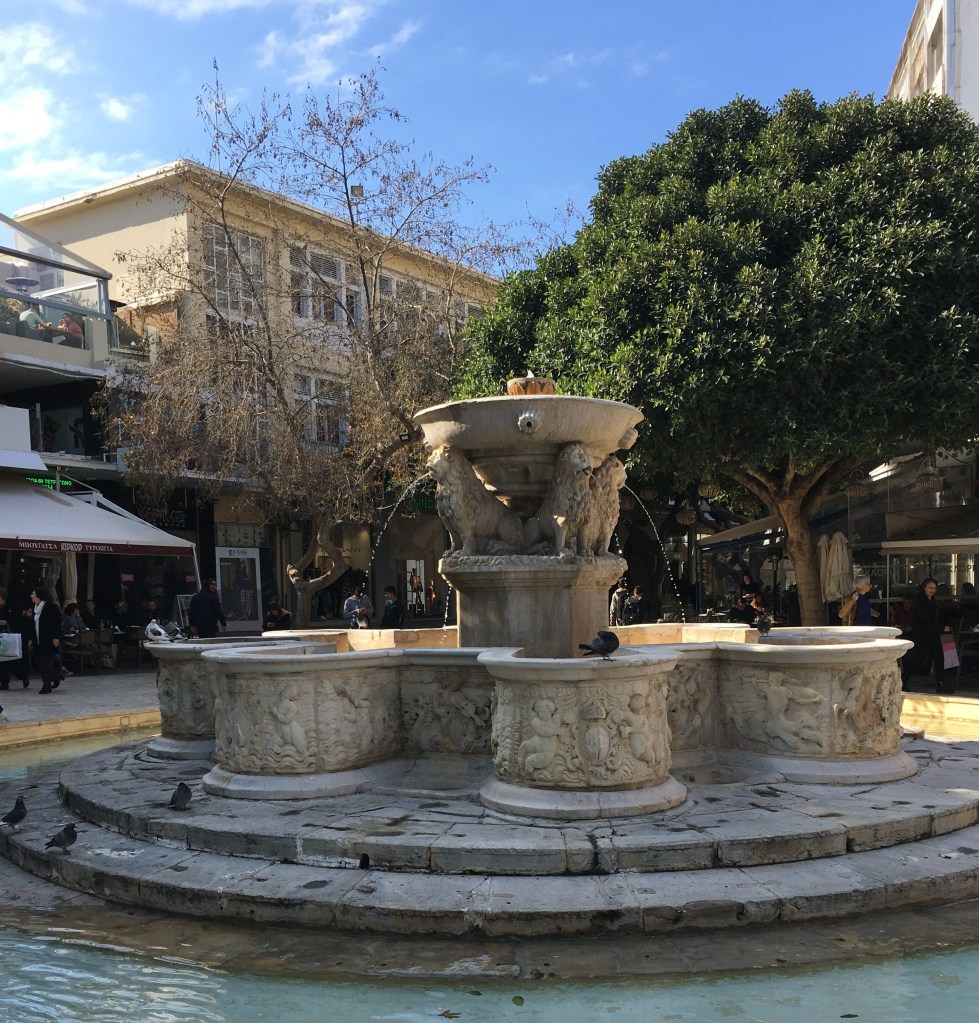
Heraklion was a great surprise, what a lovely city! Big modern city but very much still village like. Many narrow streets with cobble paths but also lots of open spaces, squares and parks. There is a great atmosphere, so many cafes and restaurants and lots of people socialising, and believe it or not, usually drinking coffee day and night! They love iced coffee or frappe as they call it. Heraklion also has a Venetian harbour with a harbour wall which stretches out 2.5kms, which we did walk one afternoon. There are many monuments and historical buildings.
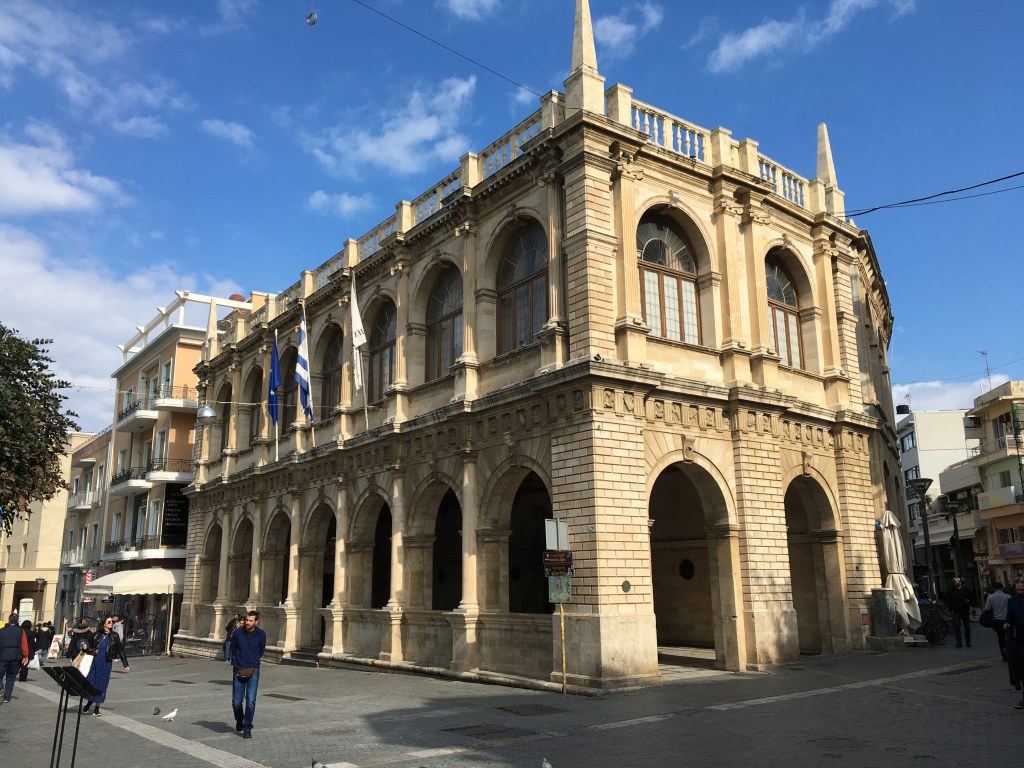
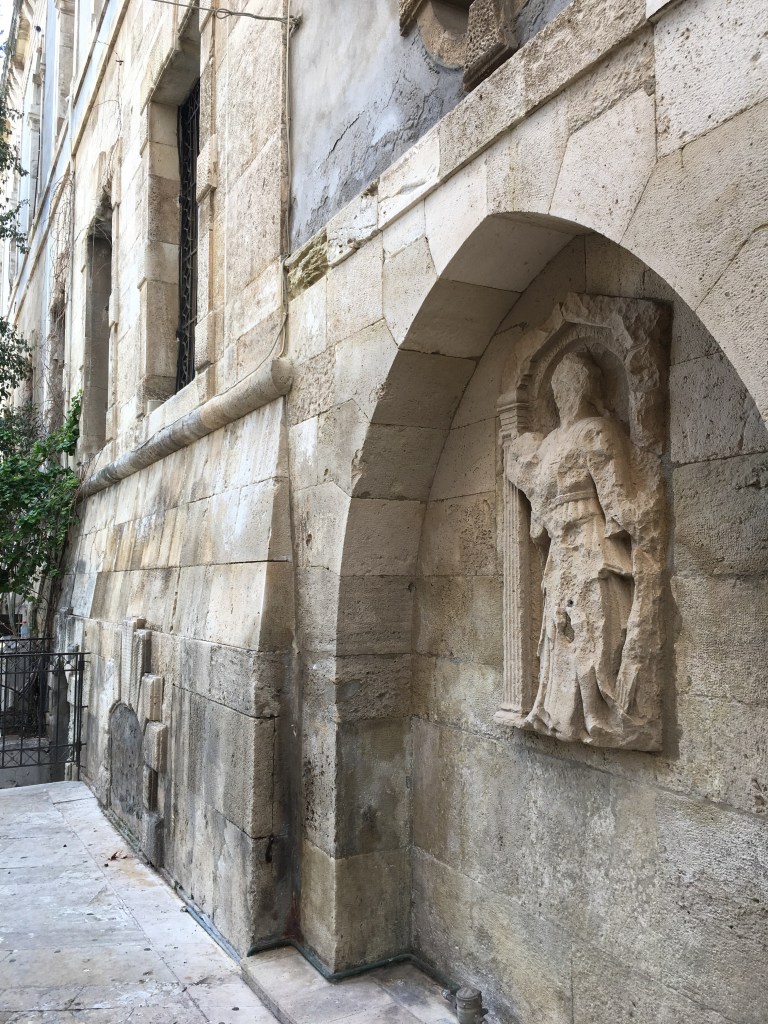
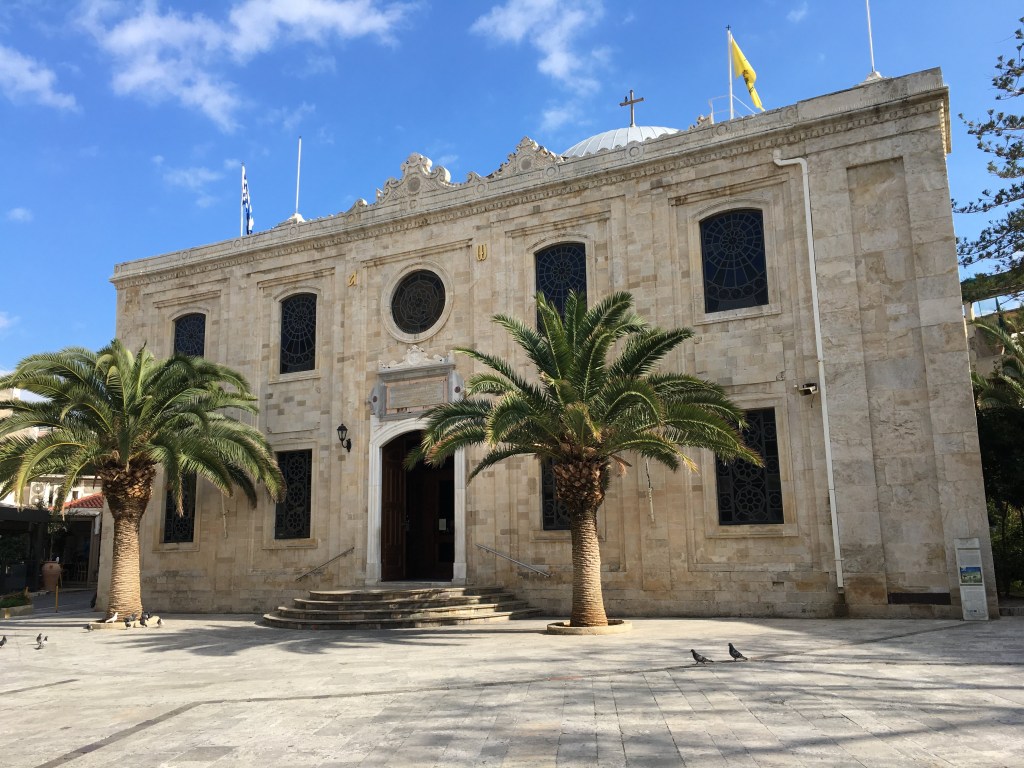

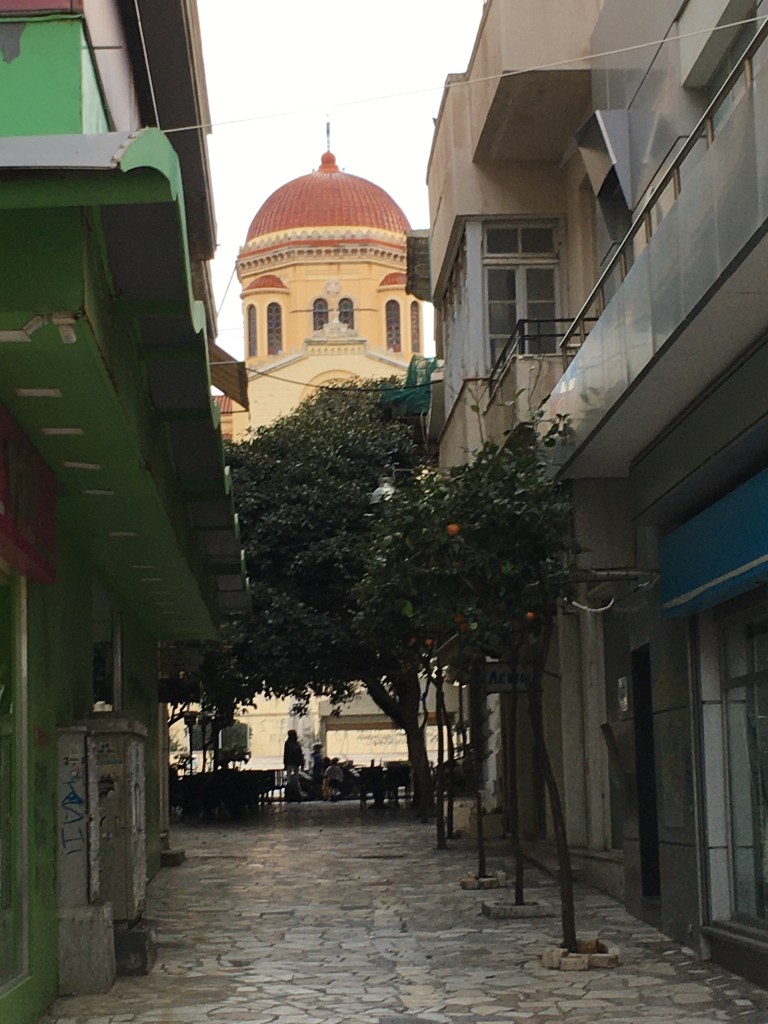
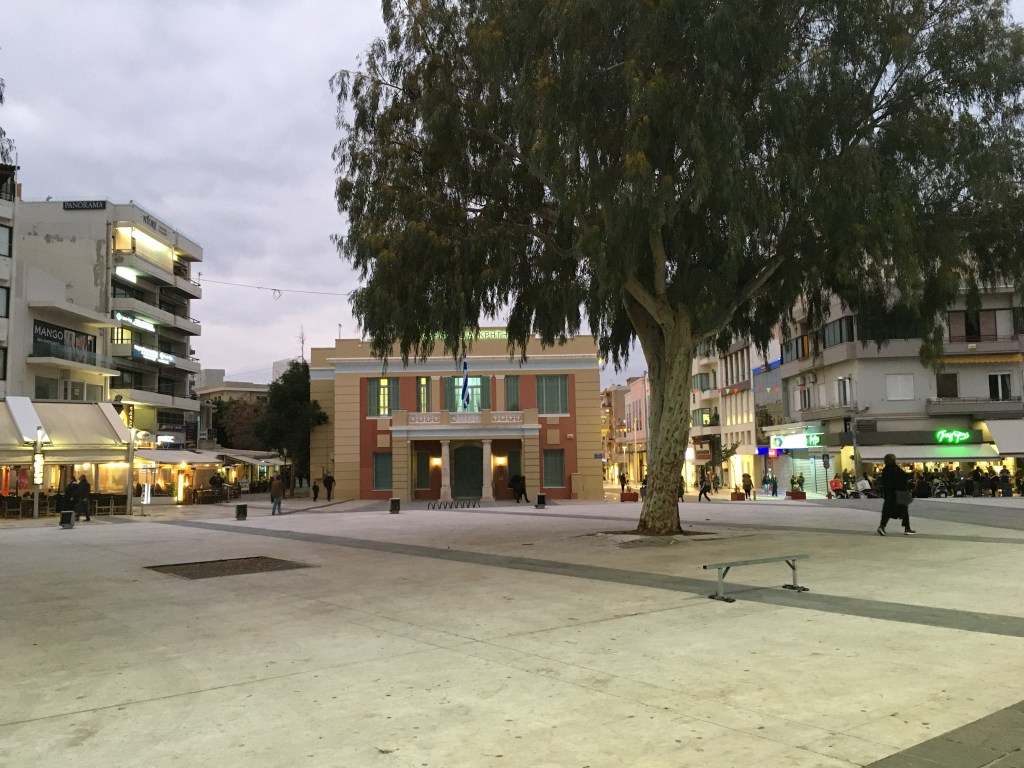
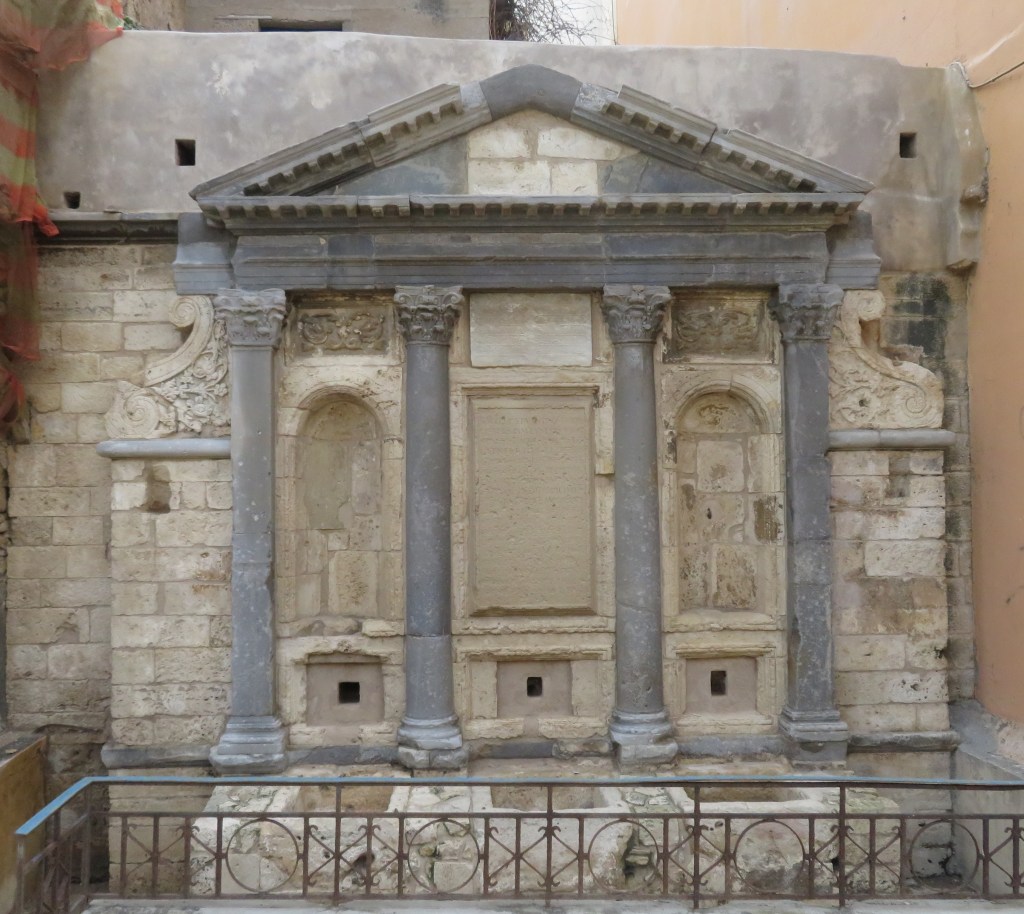
There doesn’t seem to be as many buildings in bad repair as in Chania, maybe just more re-building done. There are a lot of derelict buildings in Chania. We also noticed that in Leros and read that a lot of the houses that were destroyed during the war were never re-built.
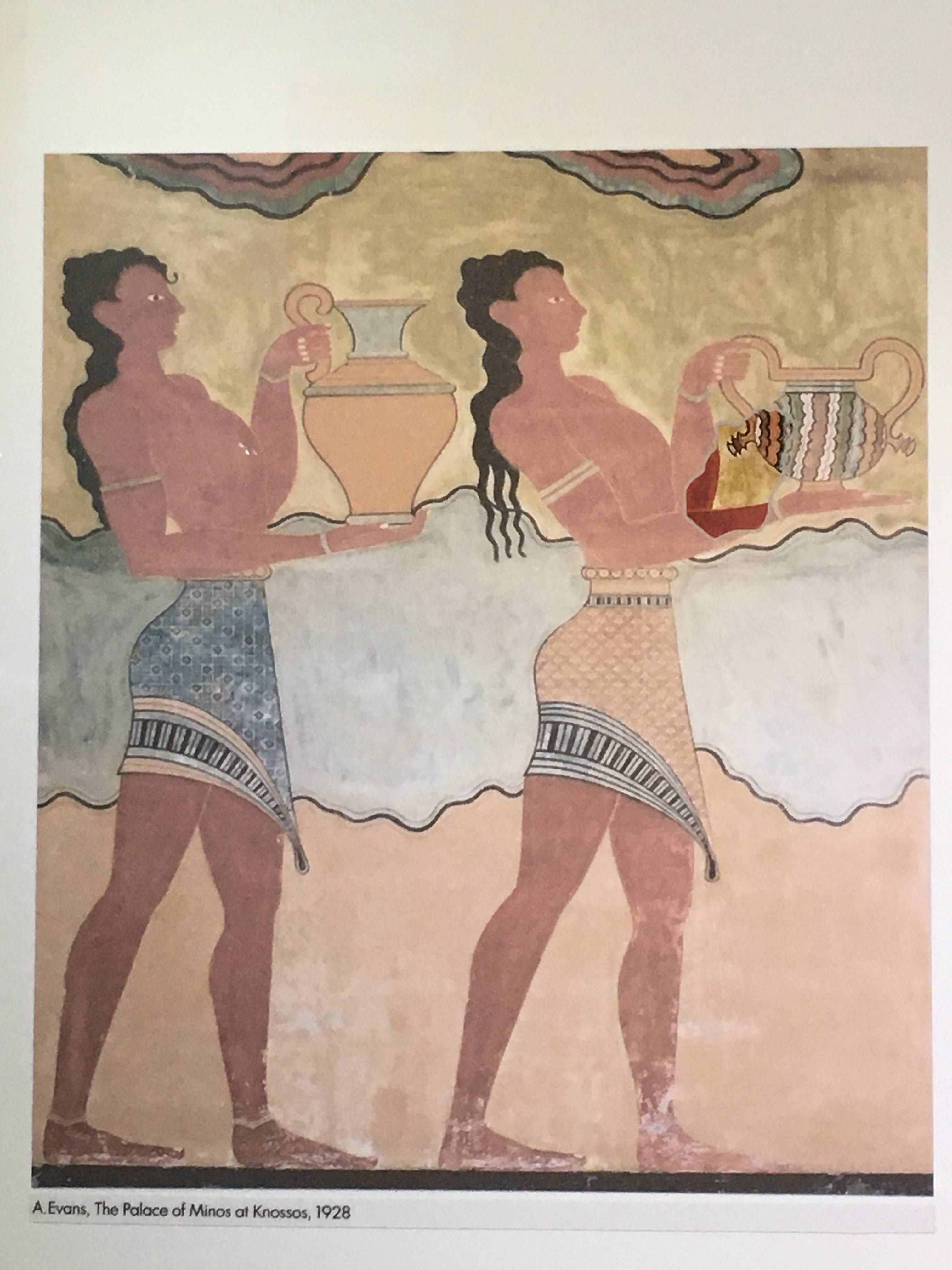
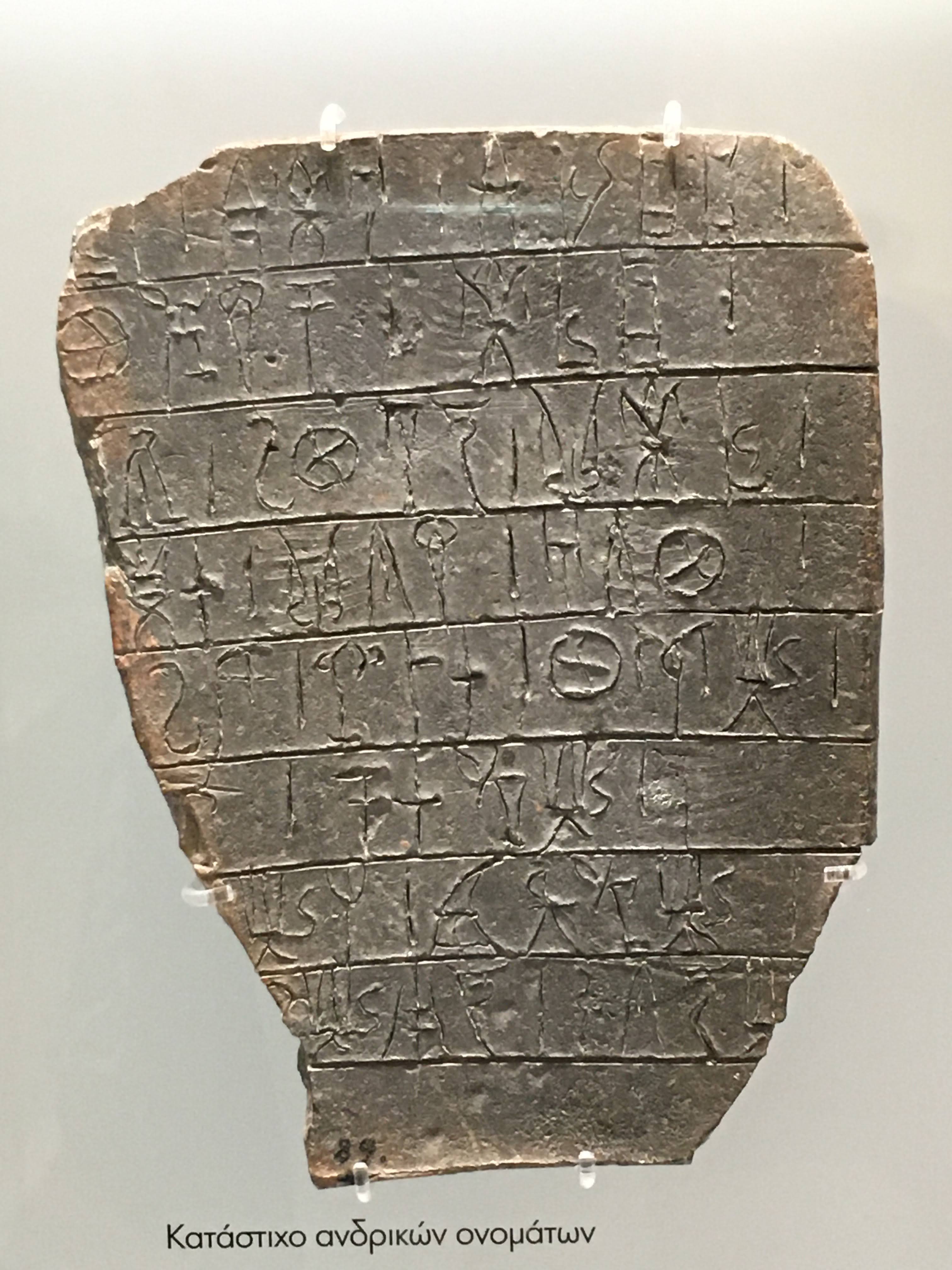
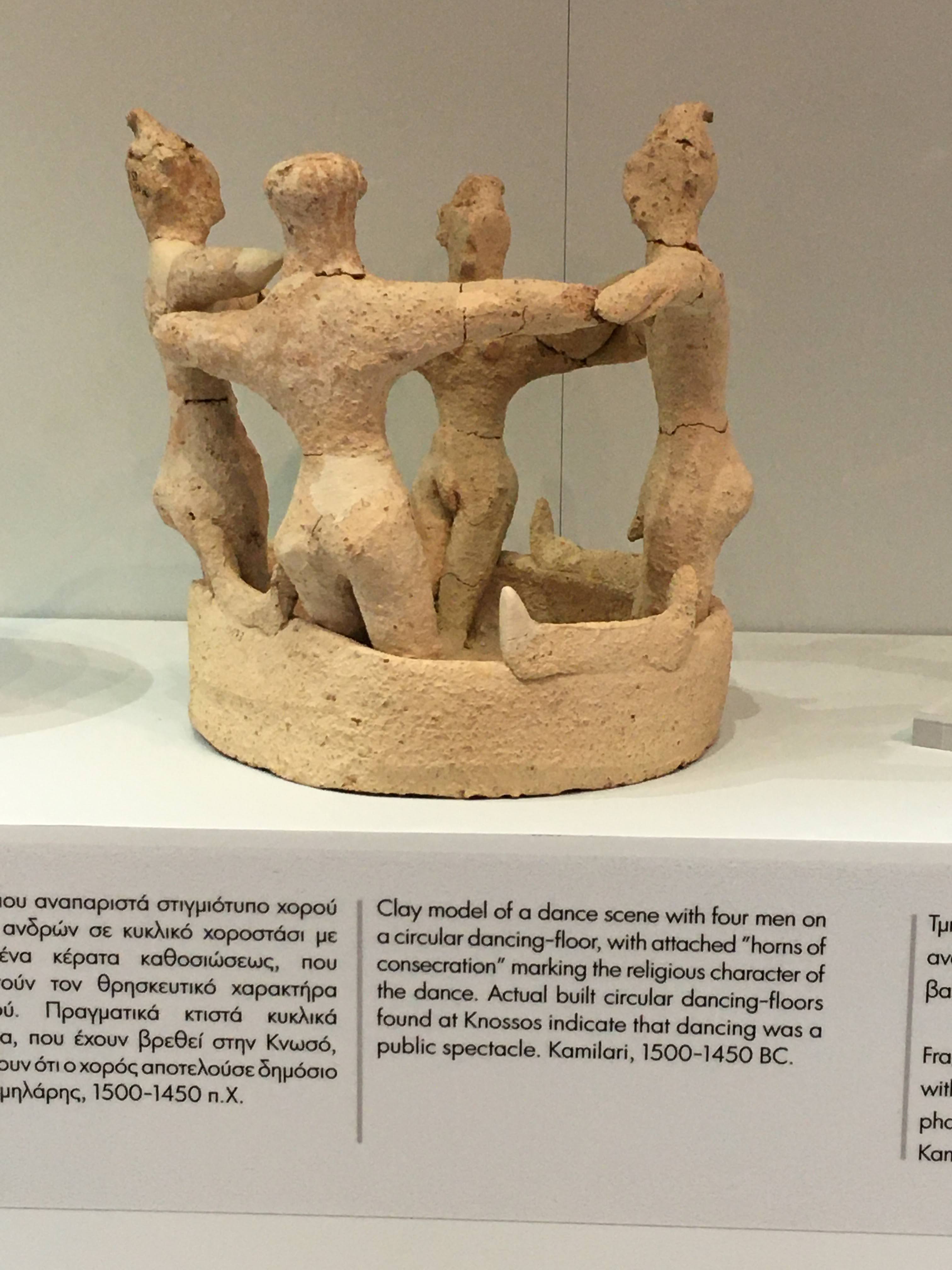
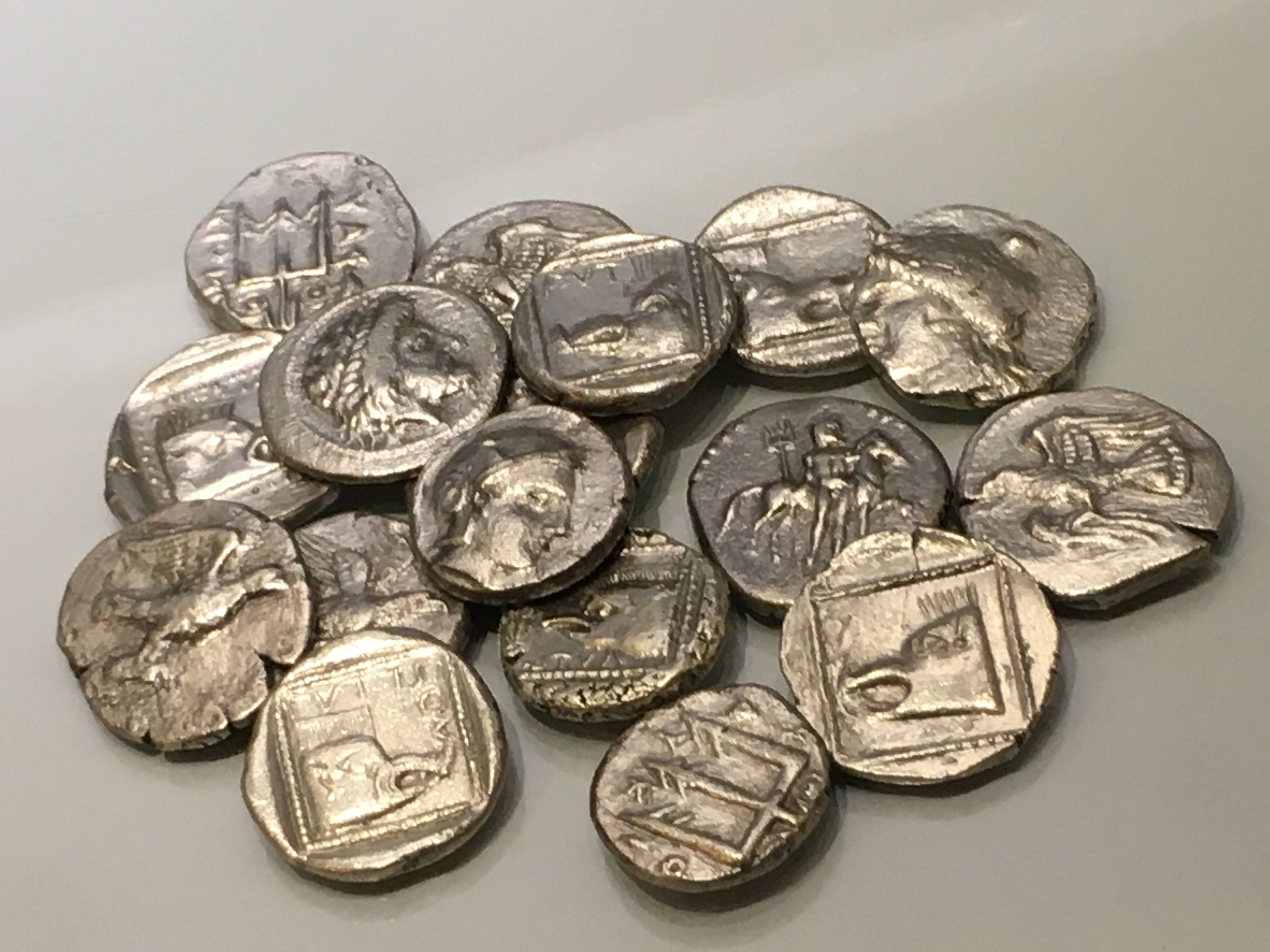
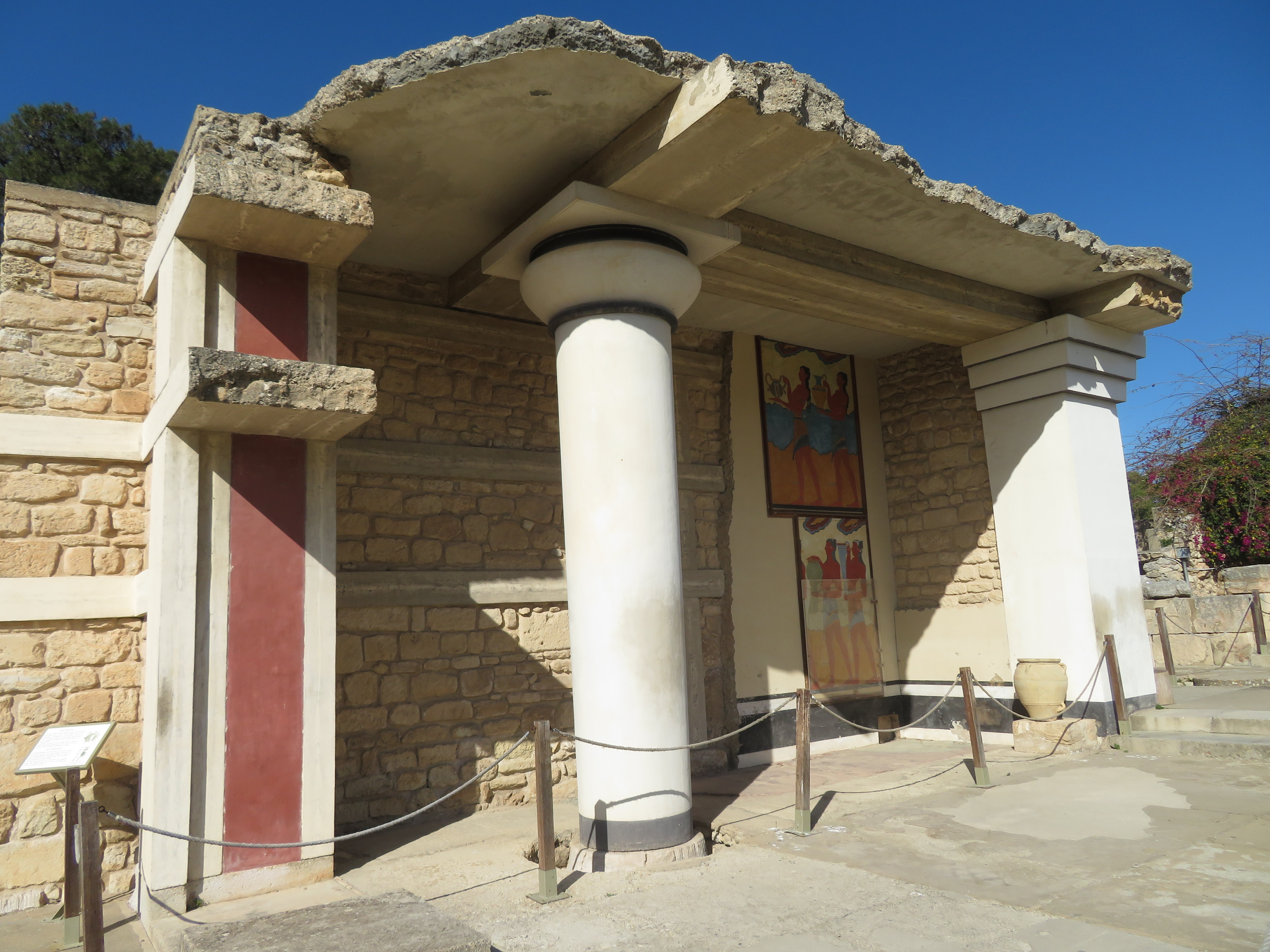
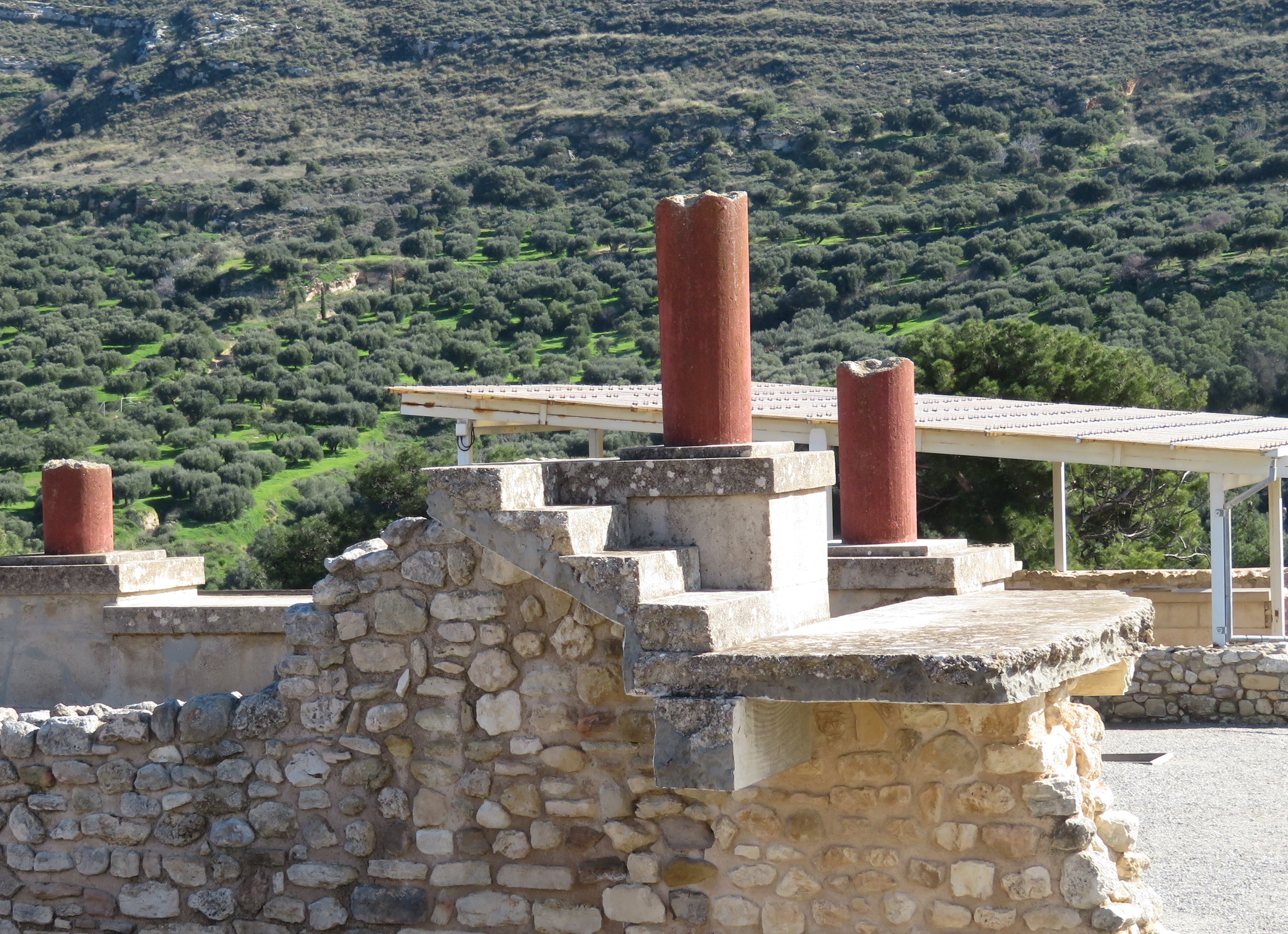
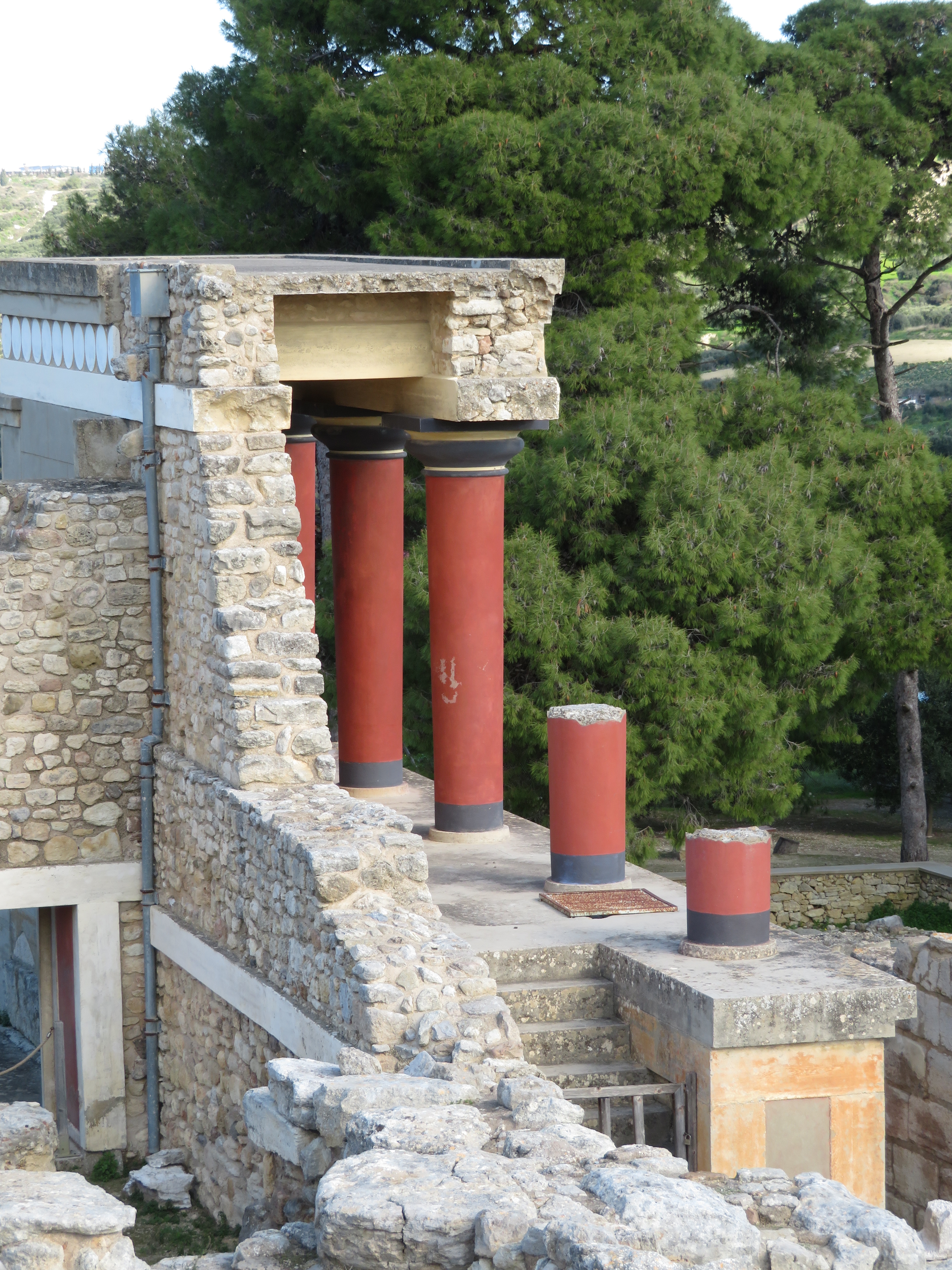
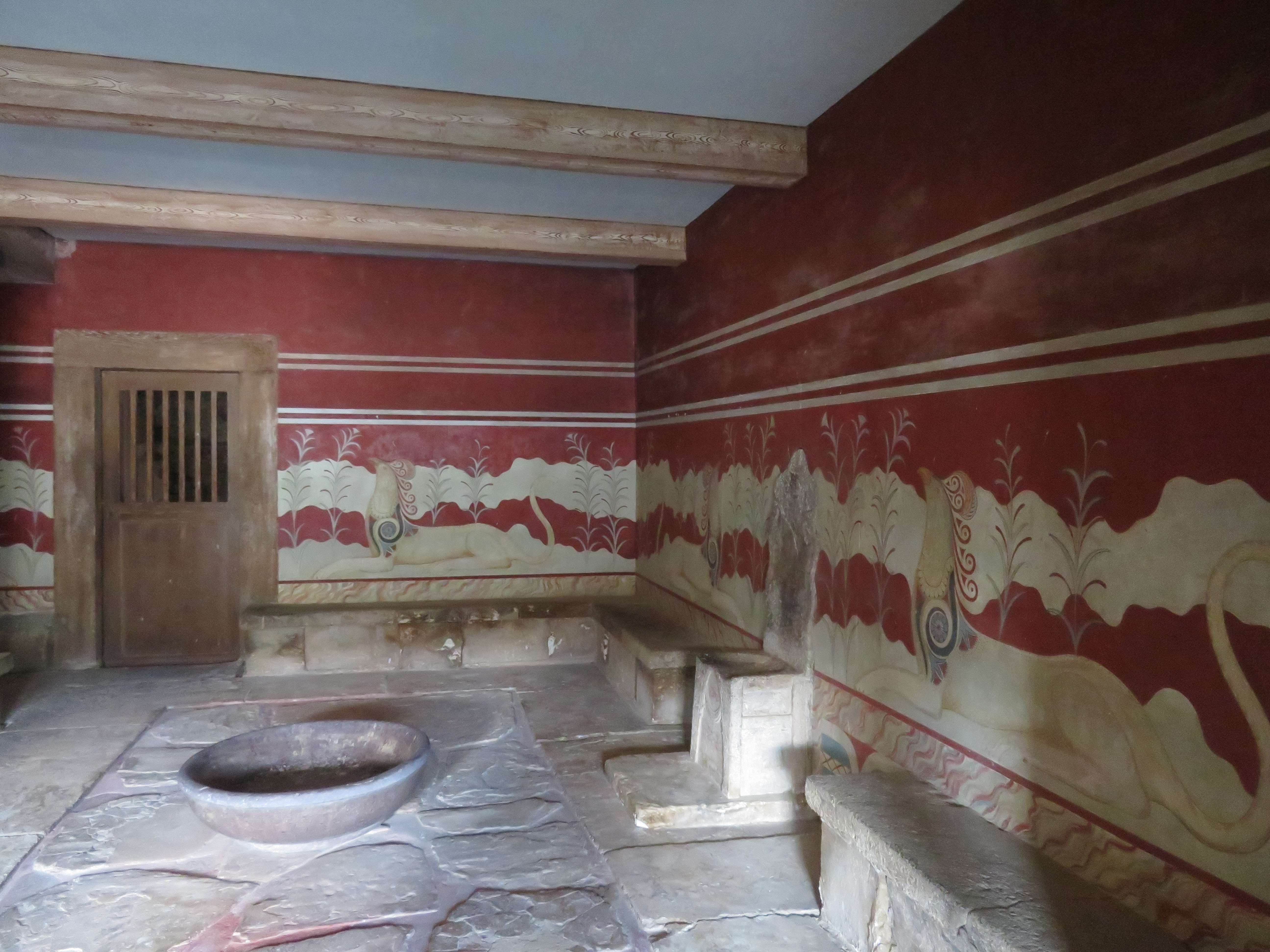
The archaeological museum in Heraklion and the Knossos palace are worth a visit. The Minoan people of around 2500 – 1600BC were believed to be the first great civilisation of Europe, a really advanced race and it is not really known what happened to them. They have found so much evidence of their existence which is fascinating. Mythology and history do overlap a bit and in the museum there is a family tree of the God Zeus. The ruins of Knossos Palace is incredible, the work that has been done from the late 1800’s through to today, to uncover all the artifices and foundations of this amazing settlement is incredible. There is a theory that around 1600BC, a massive earthquake shook the island of Santorini which caused a tsunami which was large enough to wipe out all the Minoan cities throughout the region, but this is not proven. It is even suggested that this civilisation was in fact Plato’s Atlantis……
227 of the 6000 Greek islands are inhabited! Google says “a truly unique phenomenon!”
We have been to two!


 Kiwis Do Fly