Its a War Zone!

It literally is! or at least was – Leros was heavily attacked and defended during WWII.  This is a fact that neither of us knew until we arrived here. The Battle of Leros in 1943 was one of great significance in the war and there is so much evidence right in front of our eyes. Chris is really good at all the details, and spends a lot of time researching. What he is finding is there are details of battles and fortifications, but they talk about locations which must have been locally named at the time as it is almost impossible to find the places on our modern day maps. Everywhere you go though, there is something. There is hardly anywhere on this island that is untouched. This is the second most bombed island of the Greek Islands after Crete.
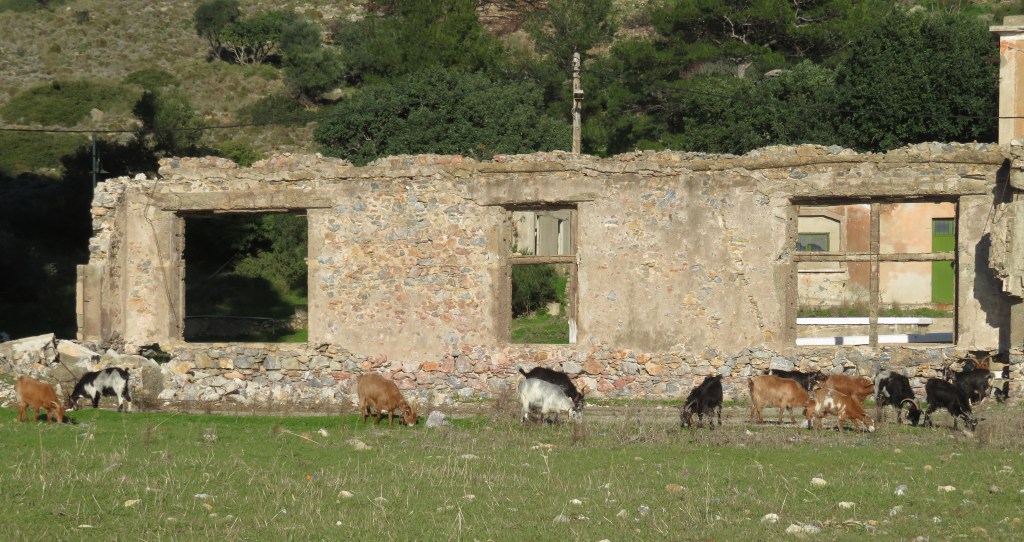
The Battle of Leros was a bit of a disaster, just like Crete. The Italians occupied Leros from 1912 and surrendered in September 1943 to the British. Between September – November, 190 German air raids took place and caused major destruction. The British and Italian defended but had no air support so were bombed to smithereens. Between our place at Gourna Bay and Alinda, in the small gap of 1.5km, is where, we believe, the German paratroopers landed, and with their sea support, effectively cut the island in half. Six days later the British surrender.

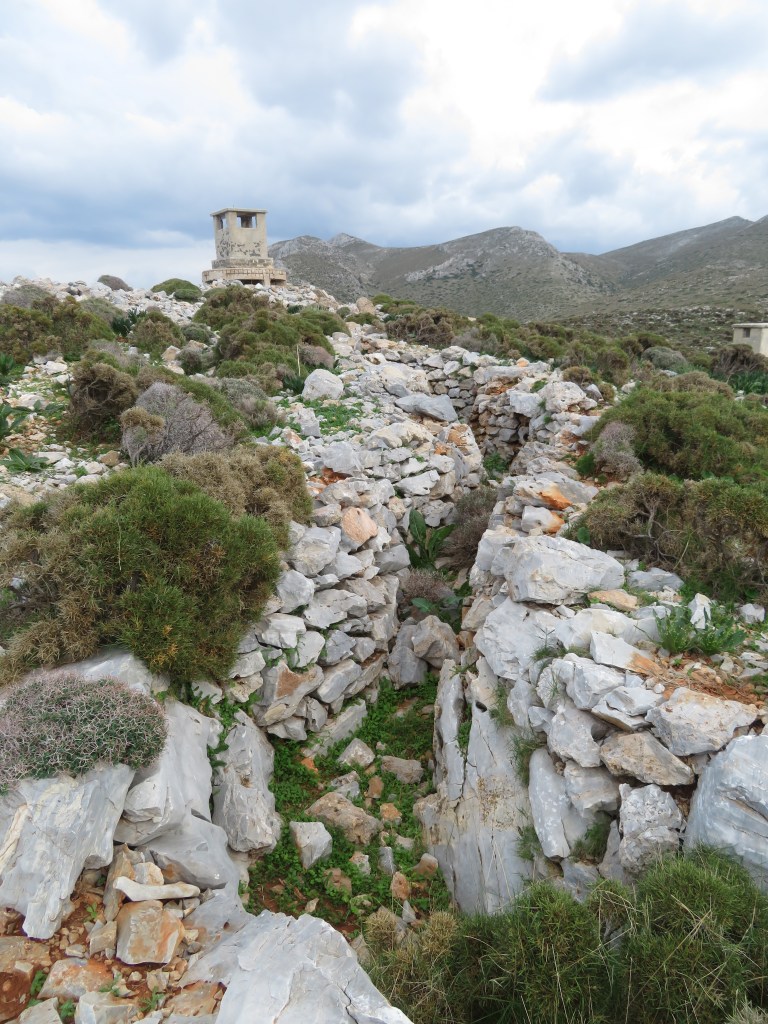
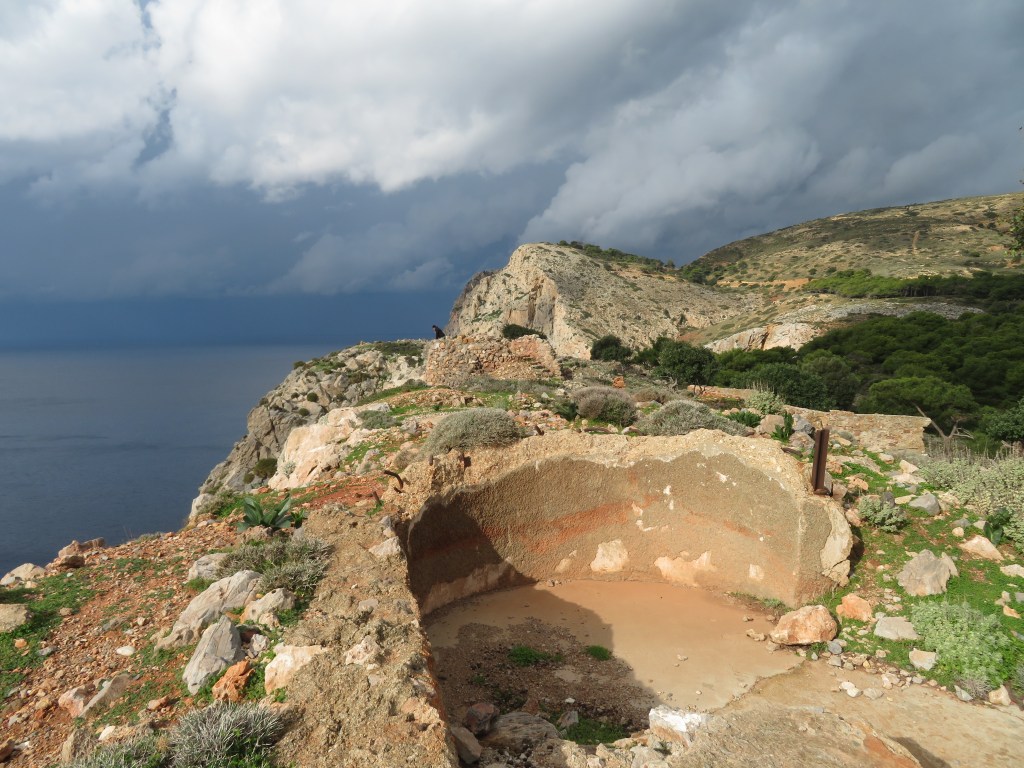
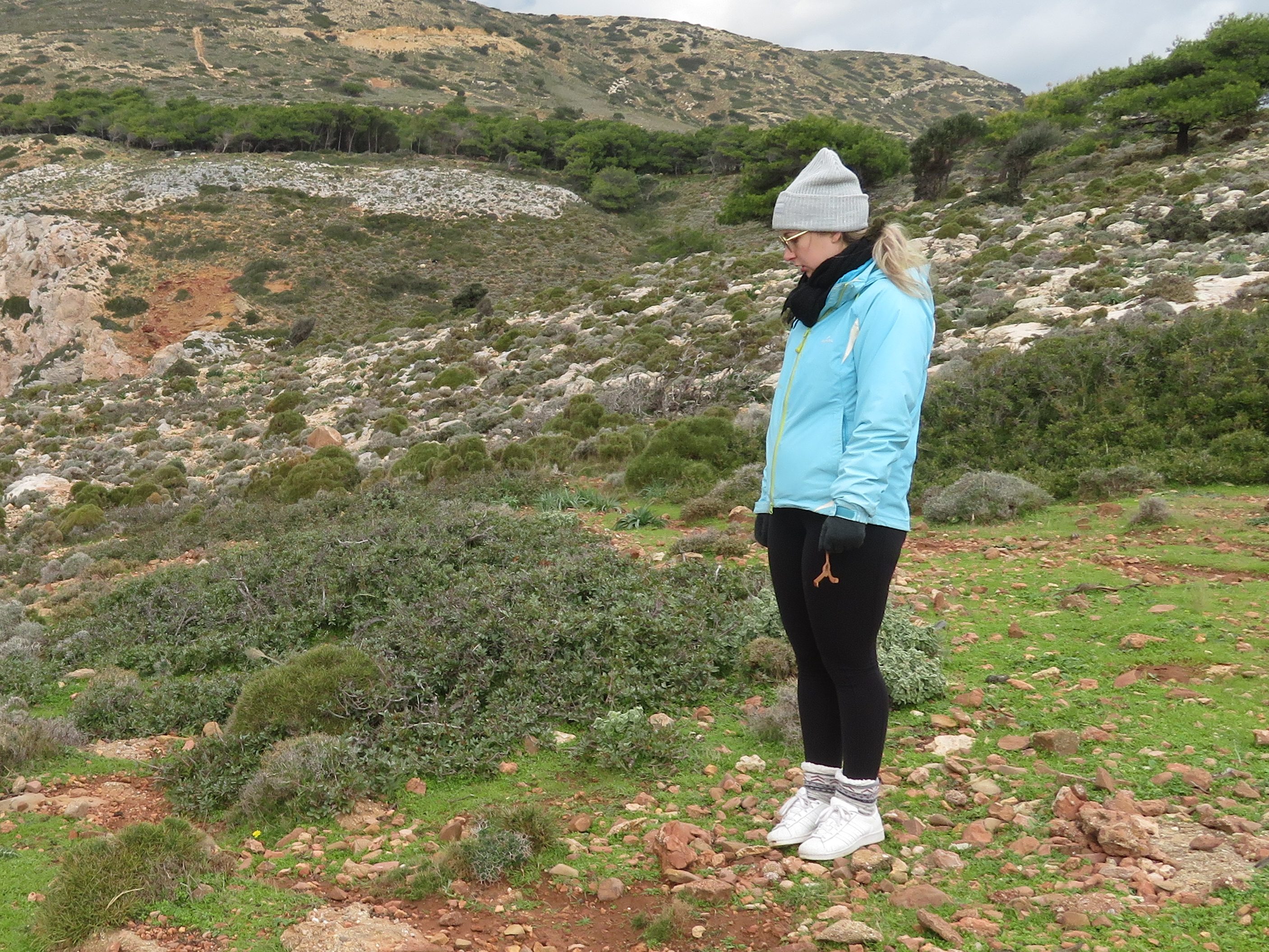
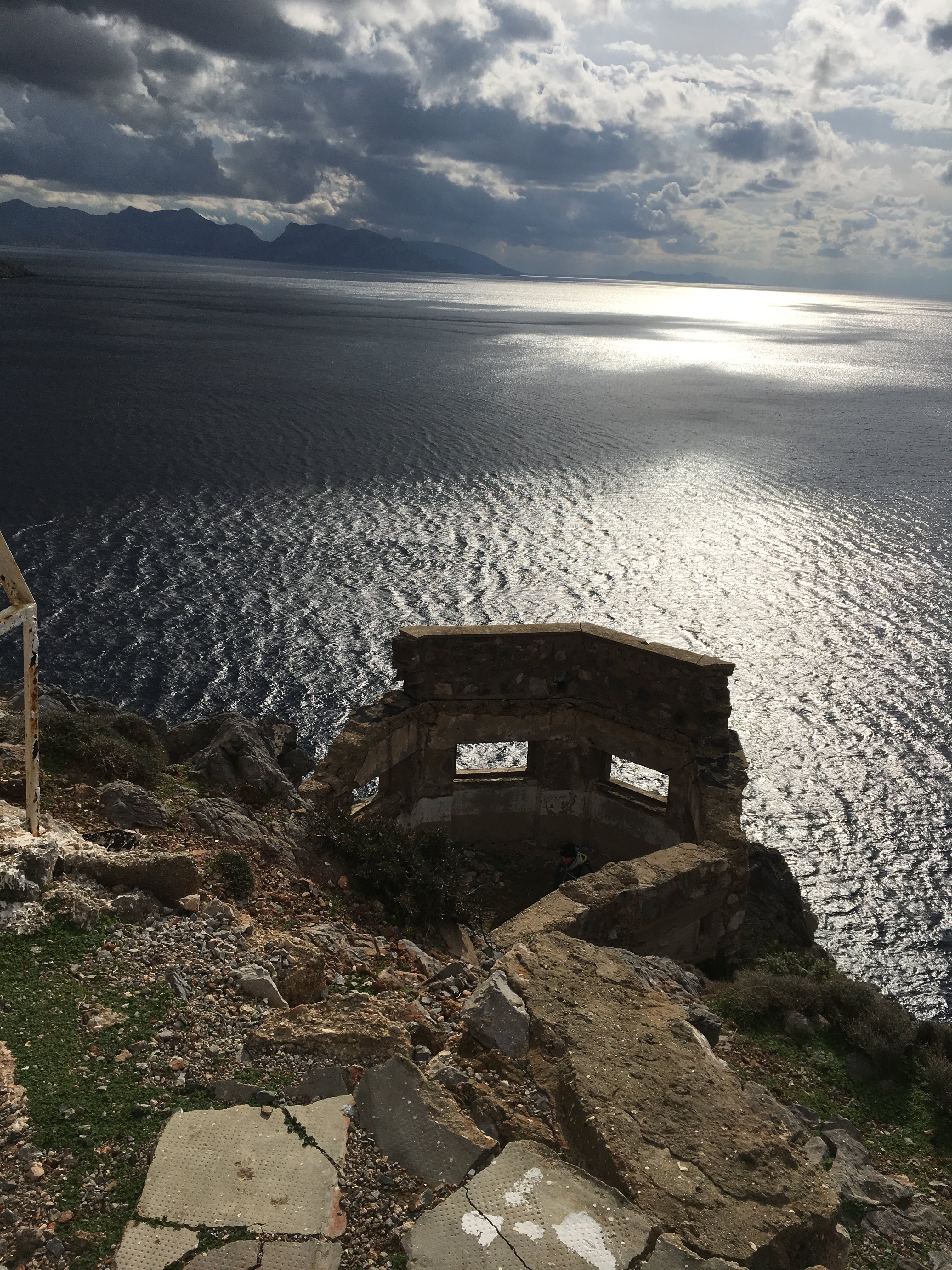
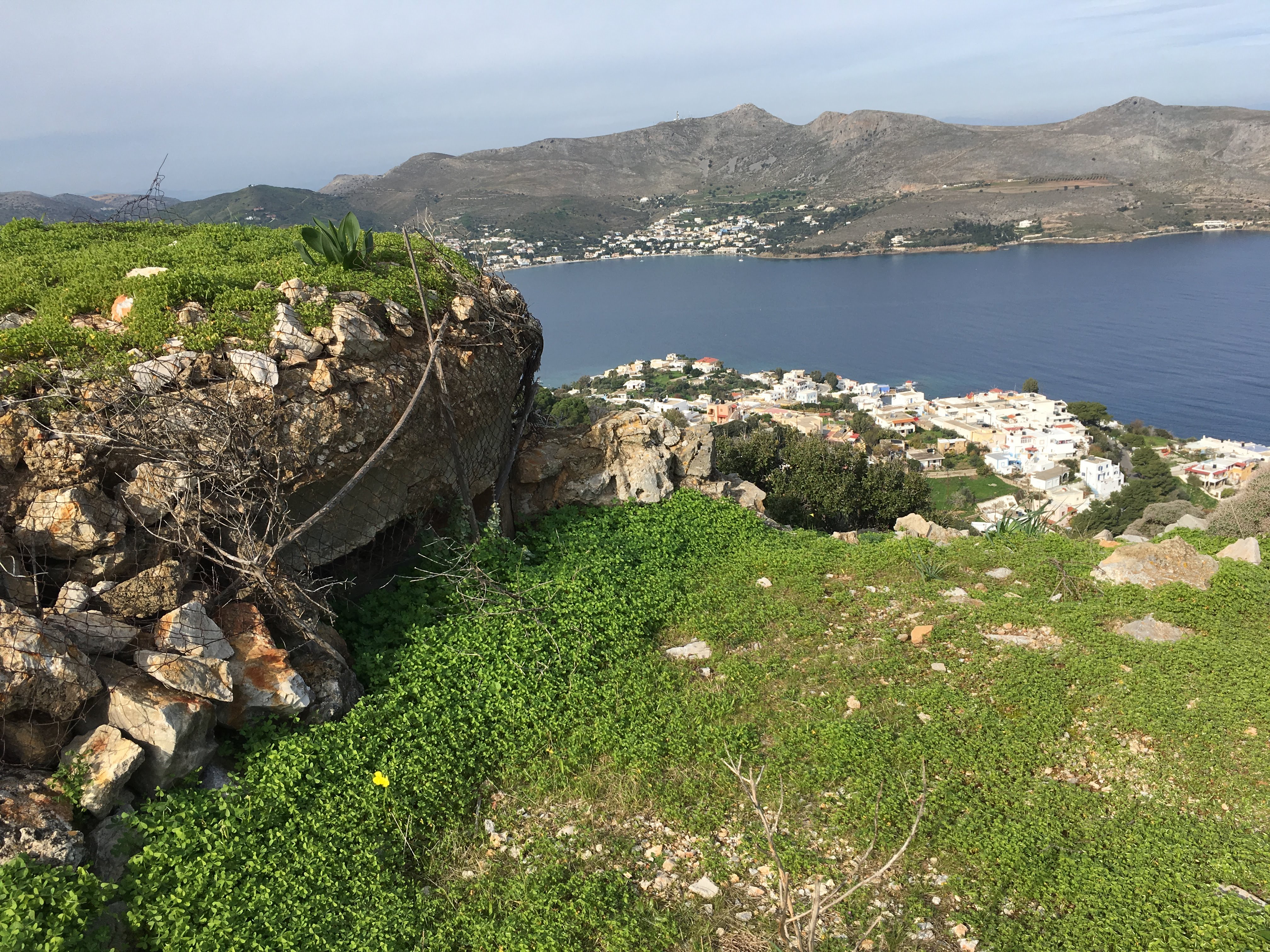
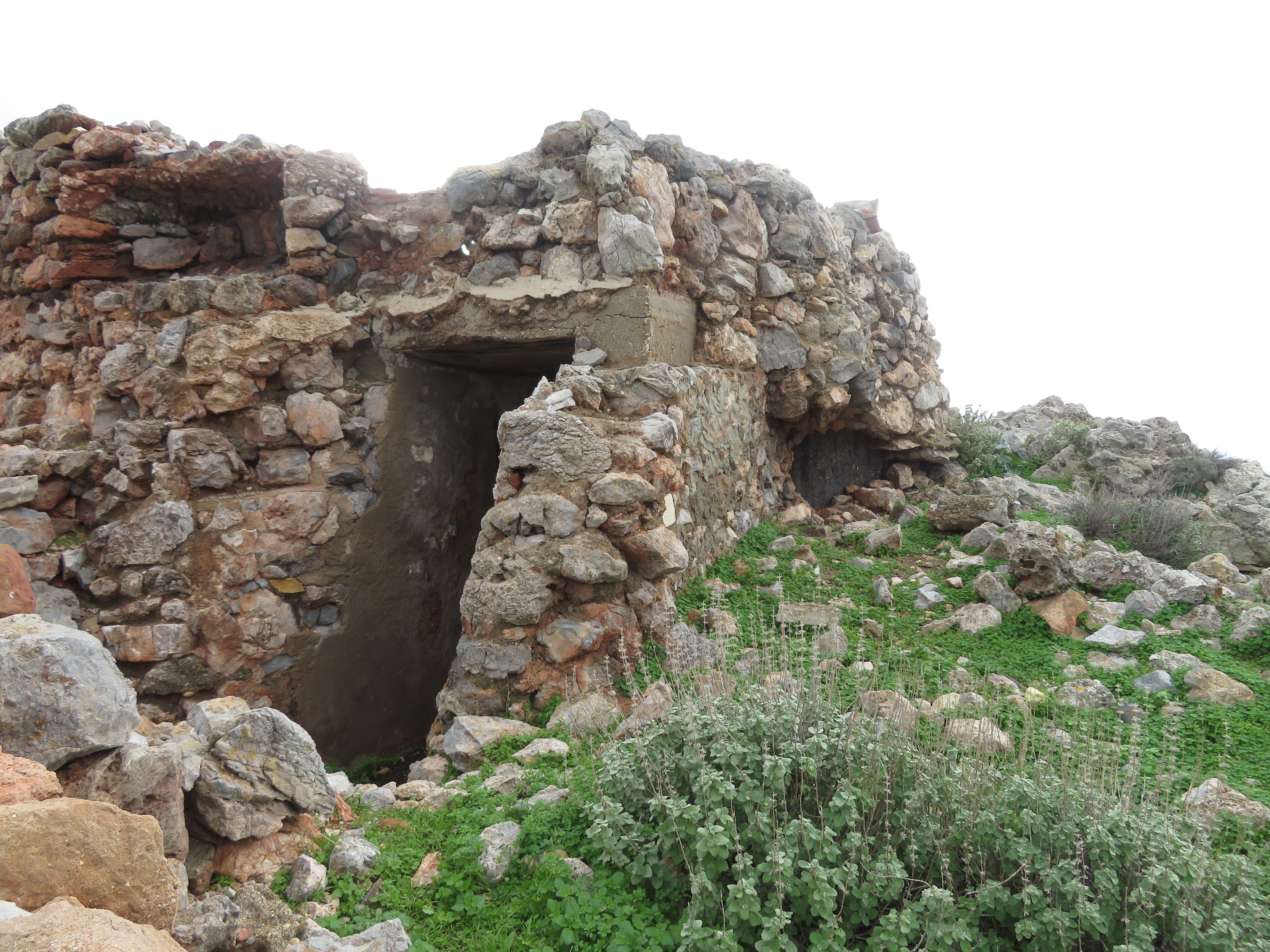
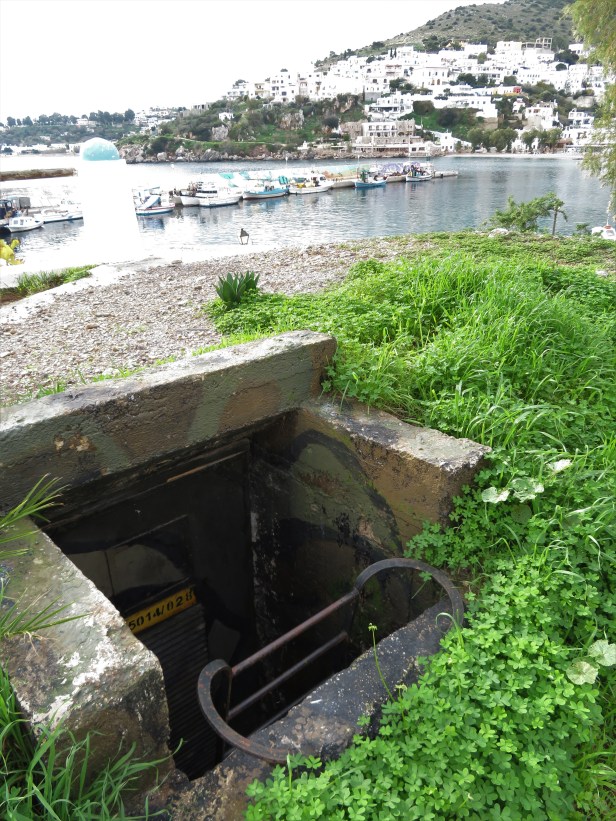
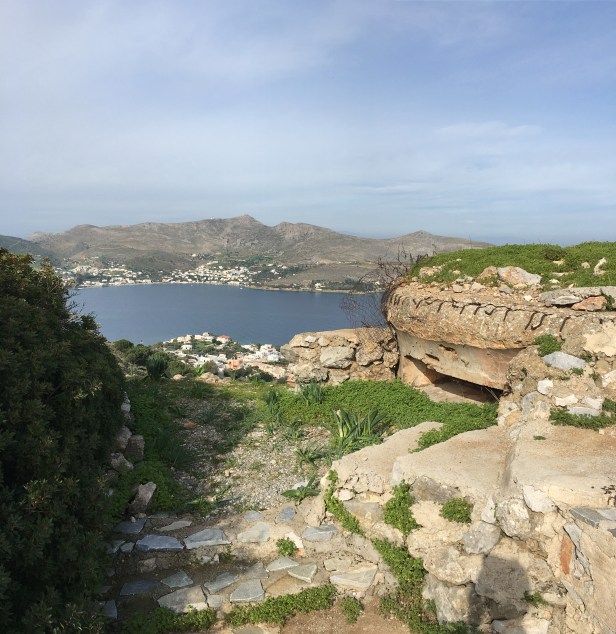
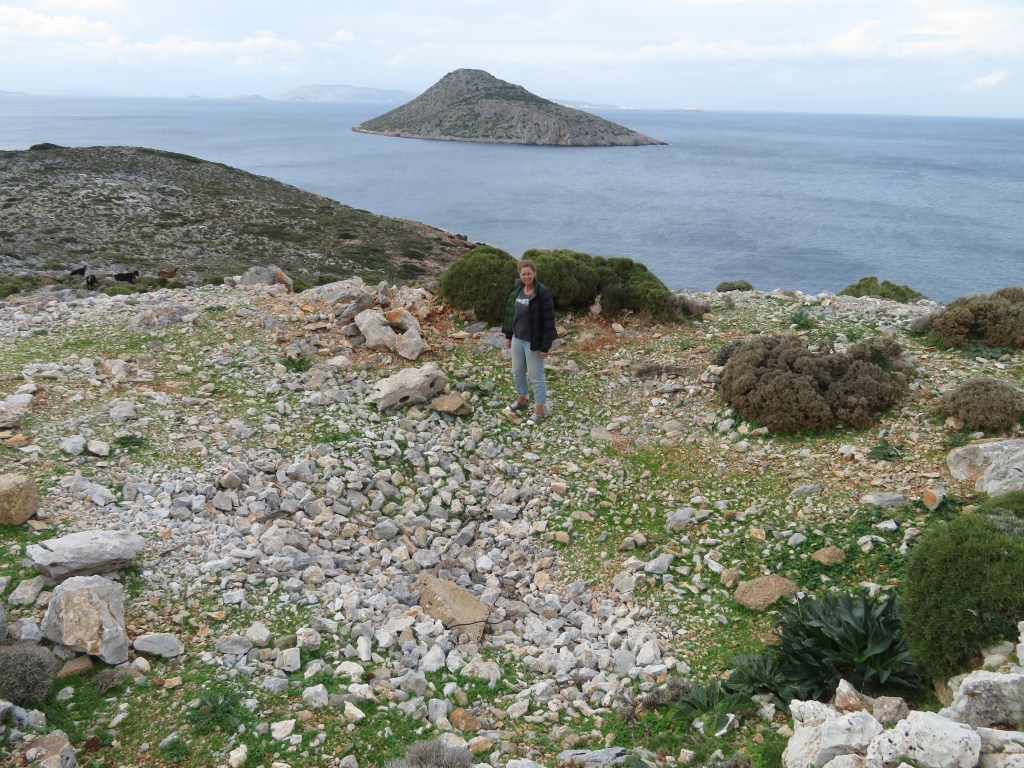
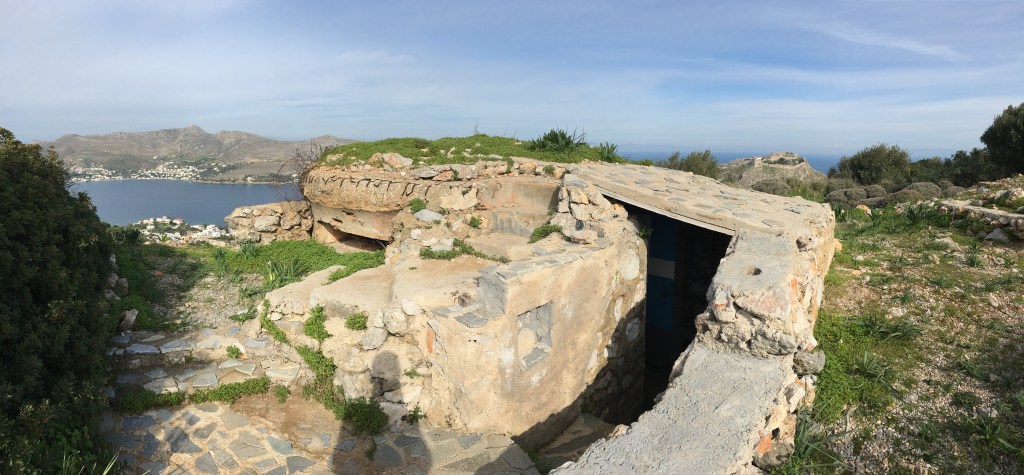
Up in the North there is a site where you can easily see the trenches as well as the bunkers. It is so rocky and harsh, I try to imagine what it was like back then when they were under attack. Its hard going walking over the rough ground and I imagine the soldiers, fully kitted up, diving for cover. This area probably looked the same back then and I feel that what I see, they must have seen, its very airy. But now, you can see the bomb craters, evidence of how it was, it must have been so terrifying.
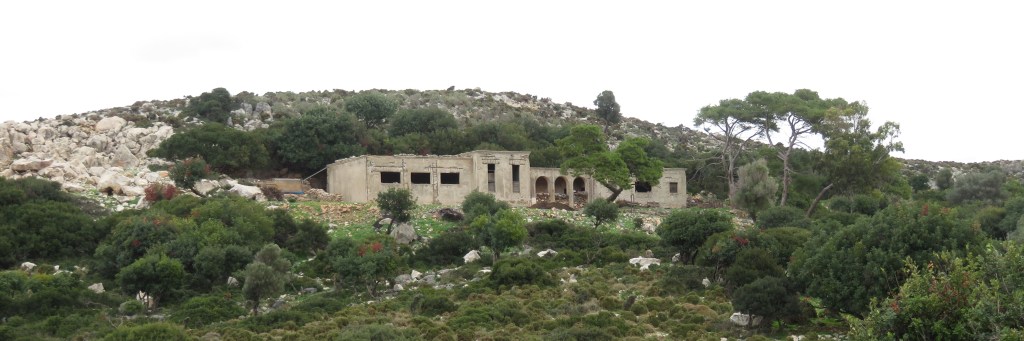
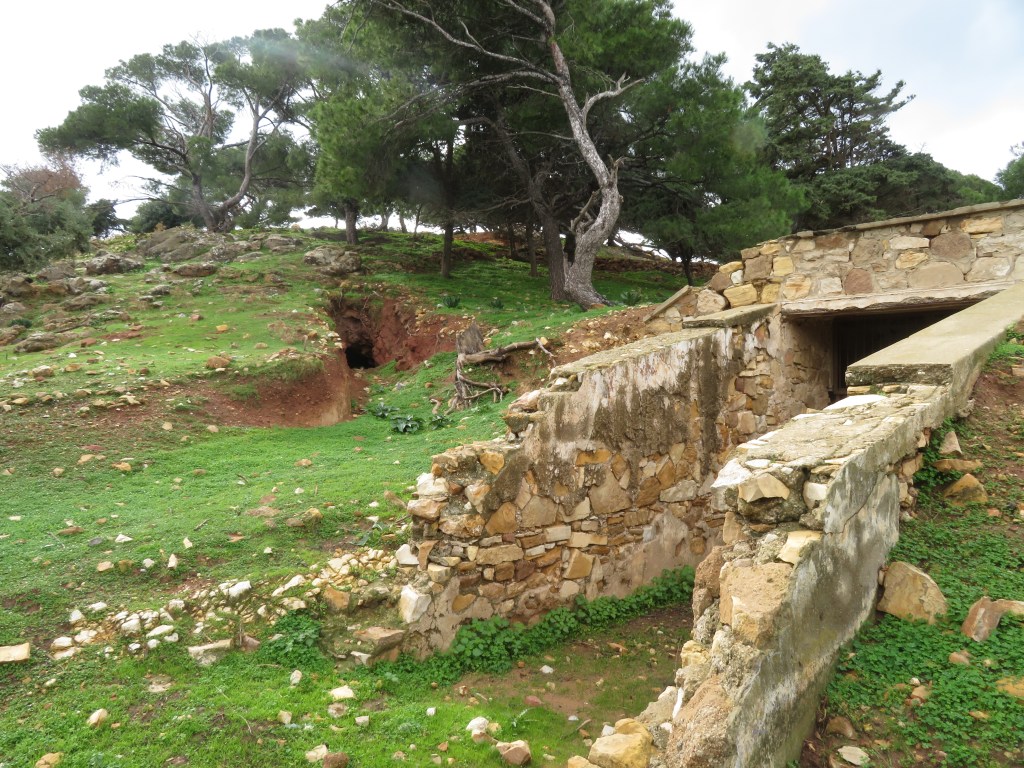
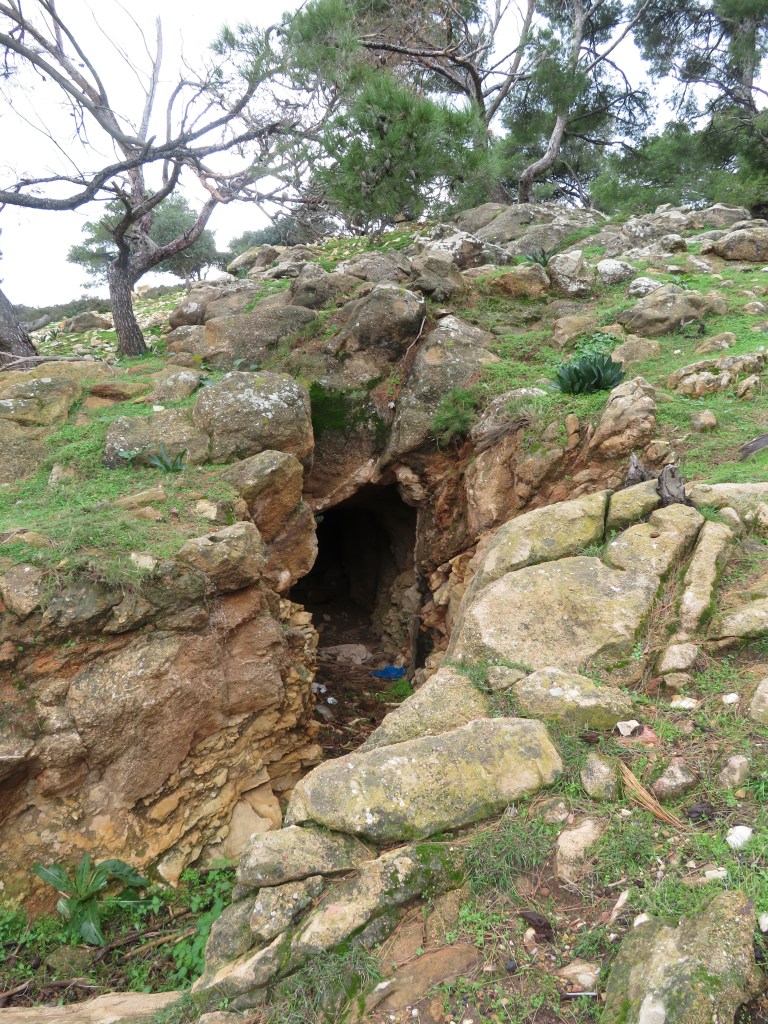
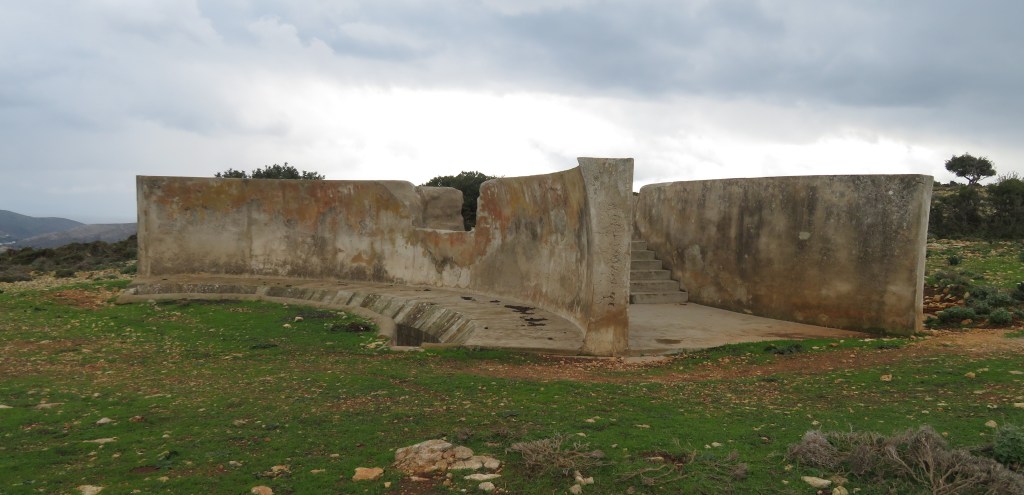
On the West past Lakki there are many many tunnels still accessible. A lot are shelters for the goats now. They all link up and are part of a huge bunker system. There are still ruins of barracks and warehouses. Up there is the remains of one the last 2 parabolic listening walls in Europe.
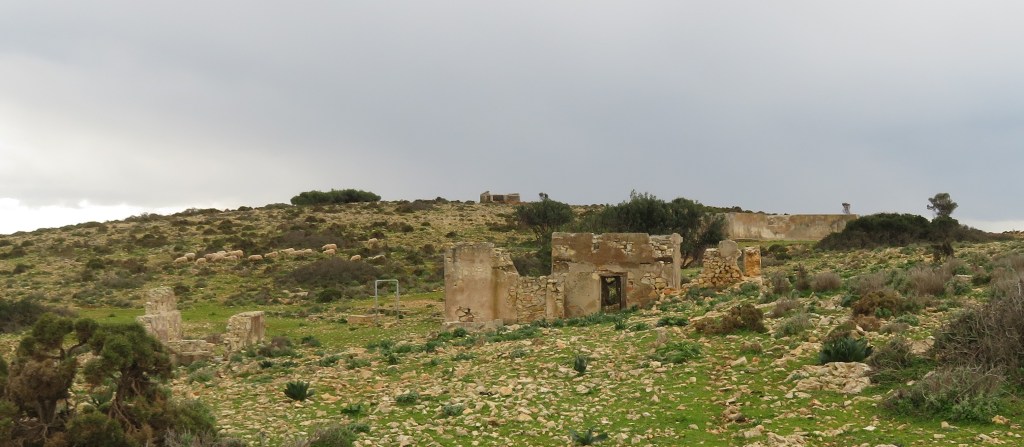
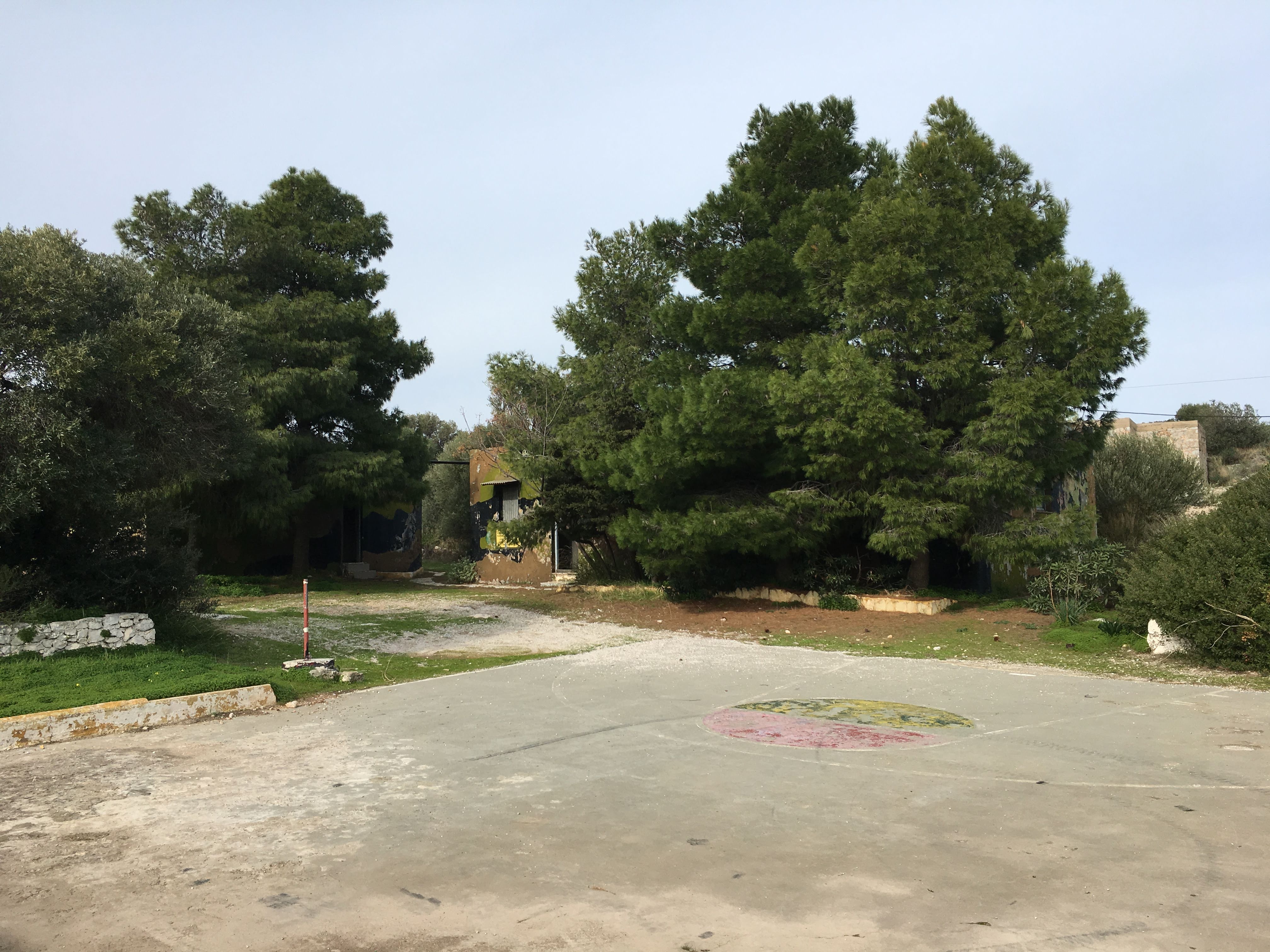
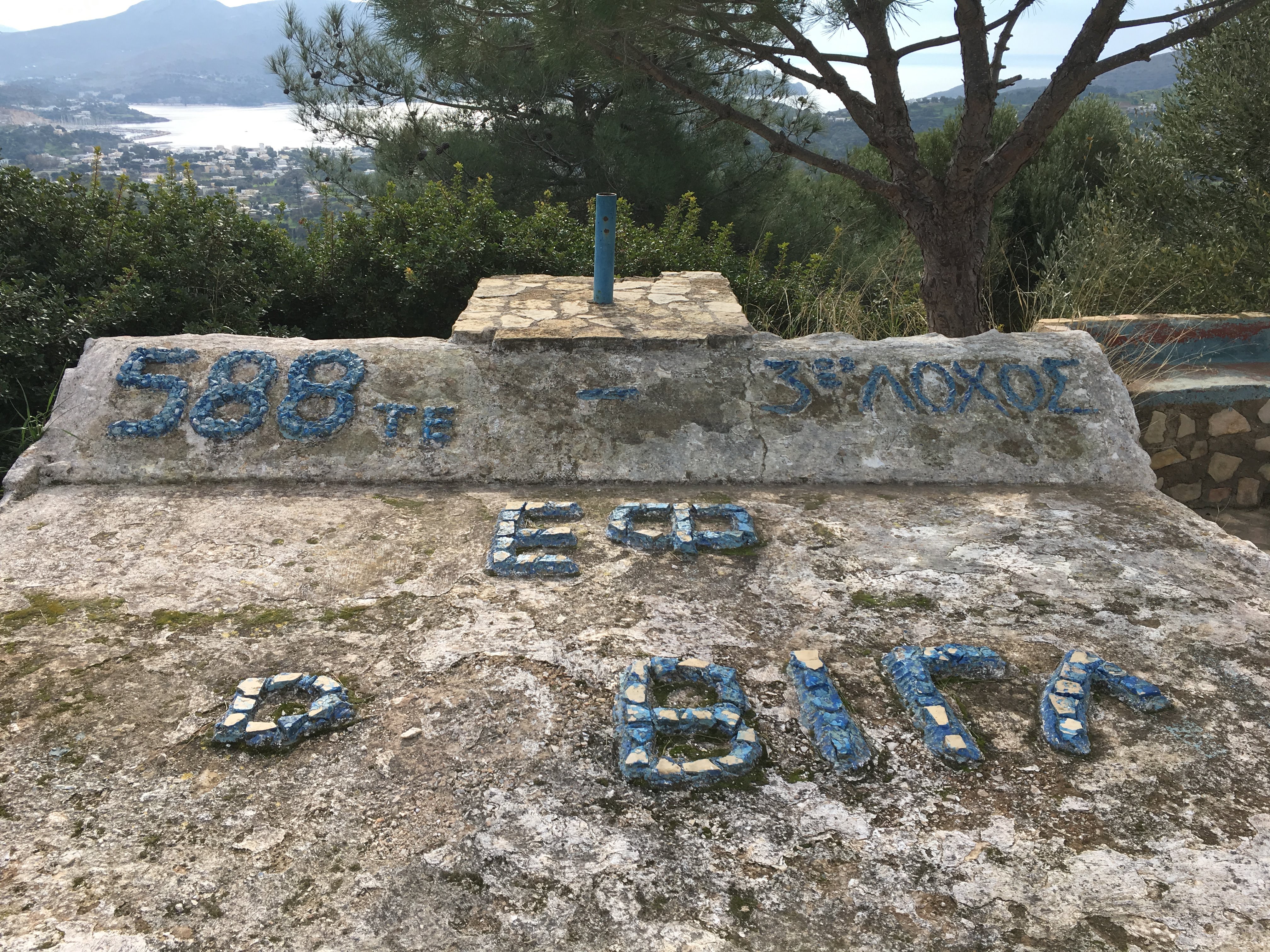
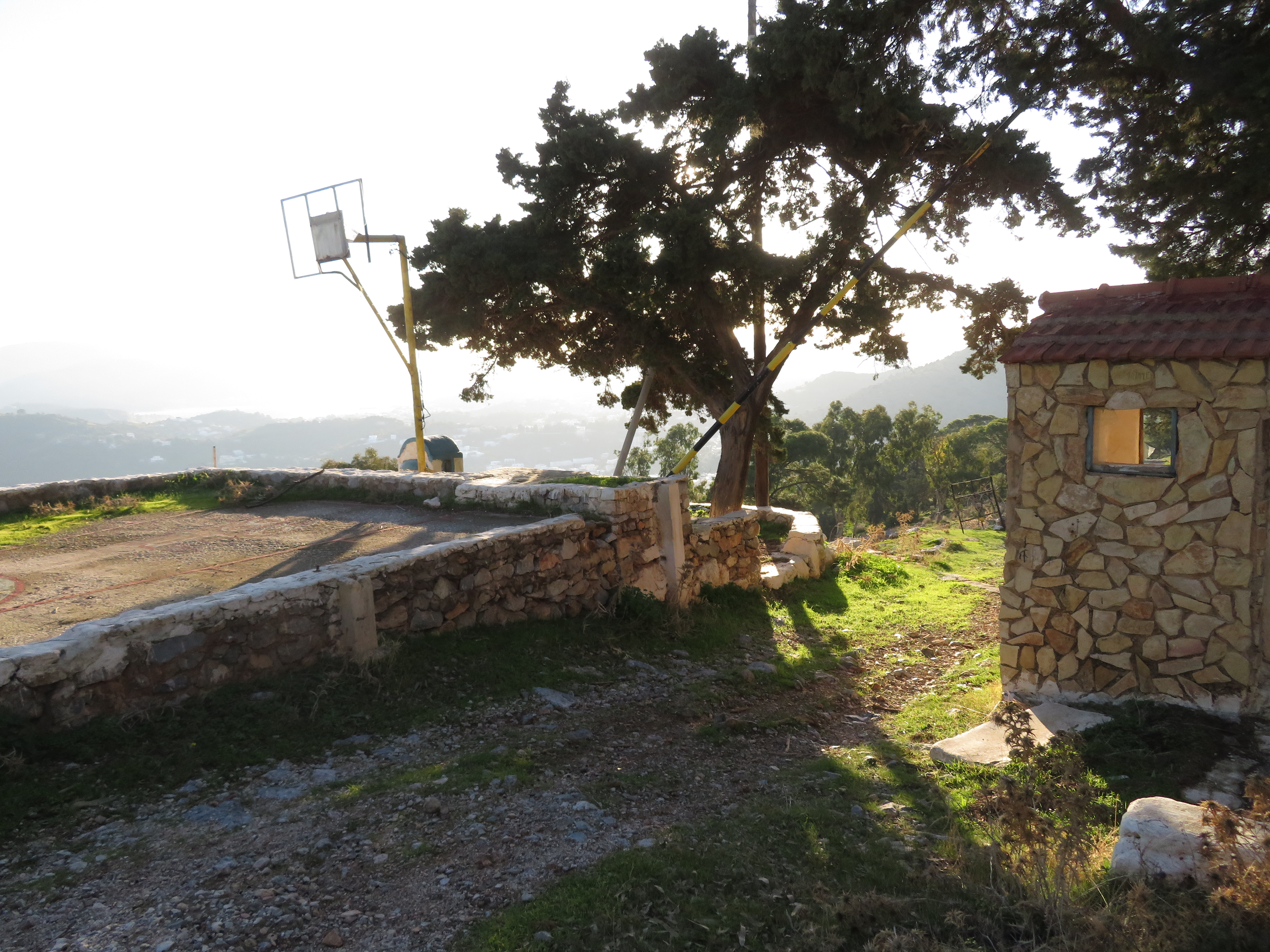
Right in the middle of the island there is a site with abandoned buildings and you can clearly see the mess room, bunk rooms with lockers. There are basketball courts and social areas. We think it was occupied by Italians, it must have been like a whole town up there!

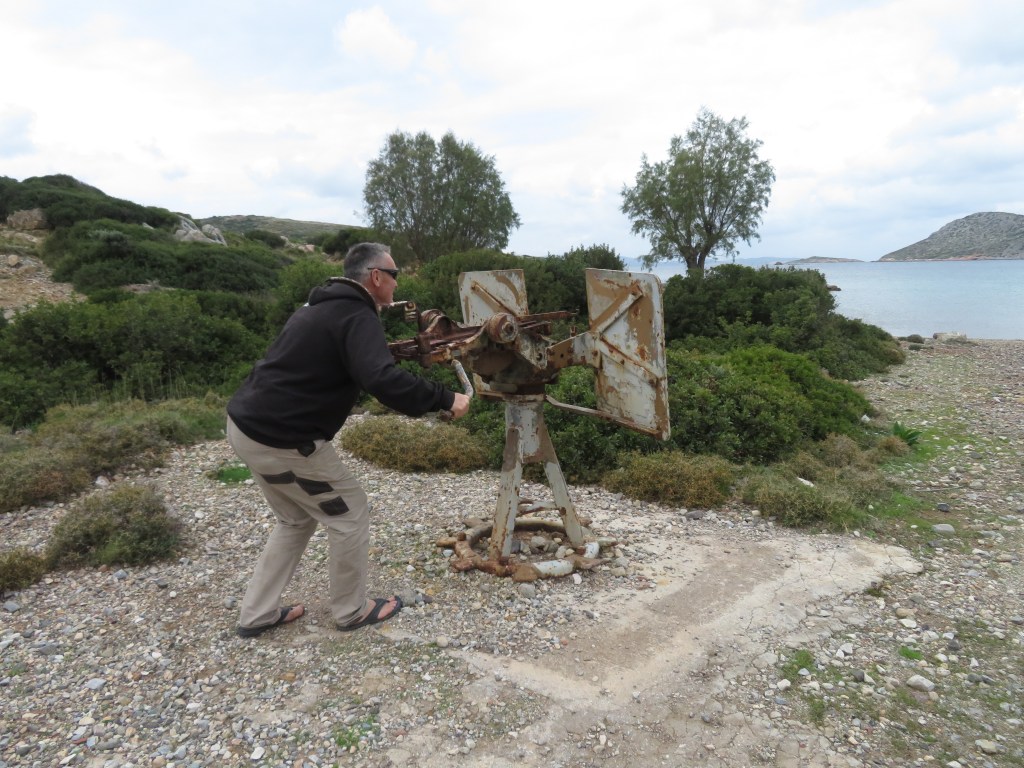
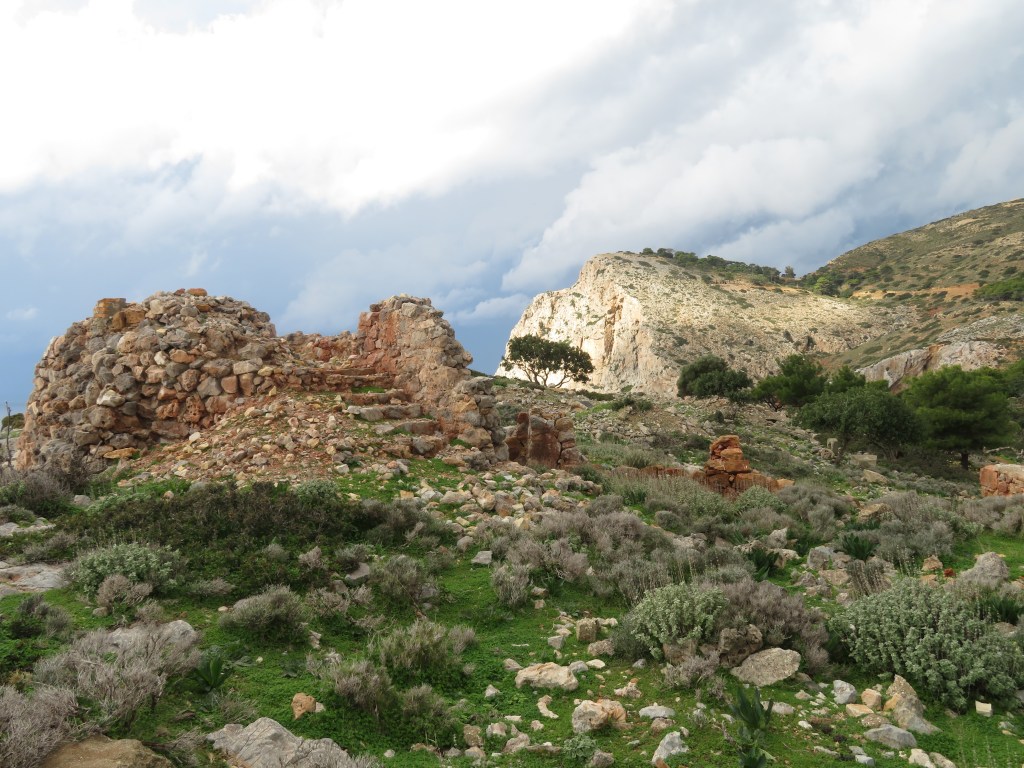
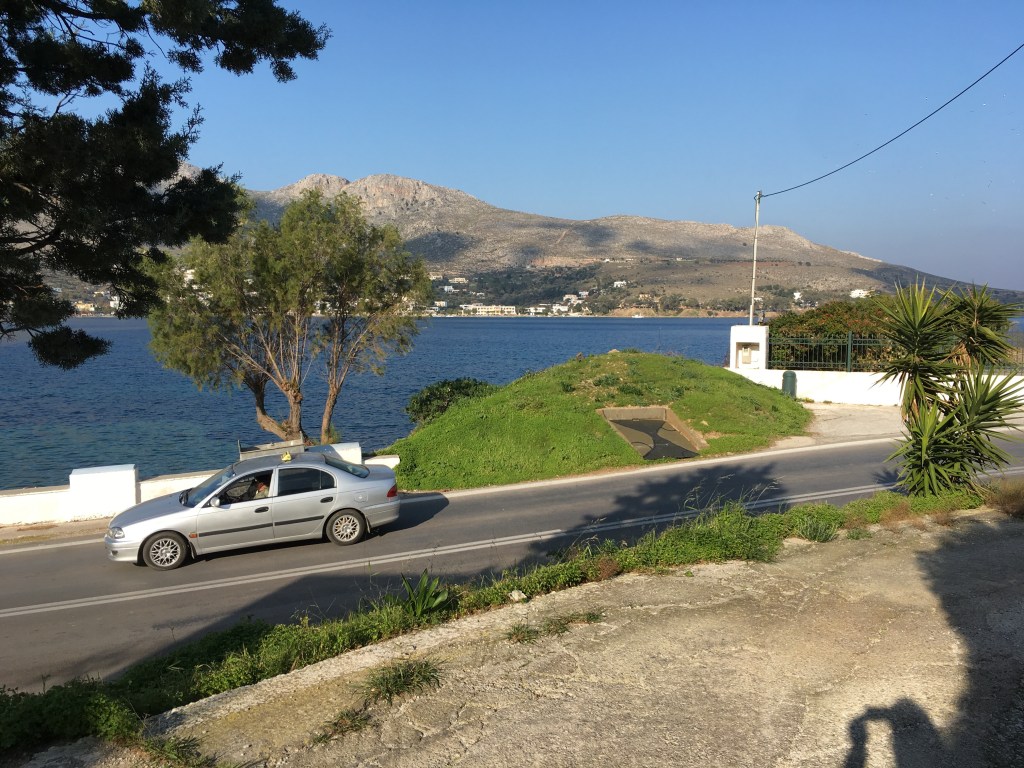
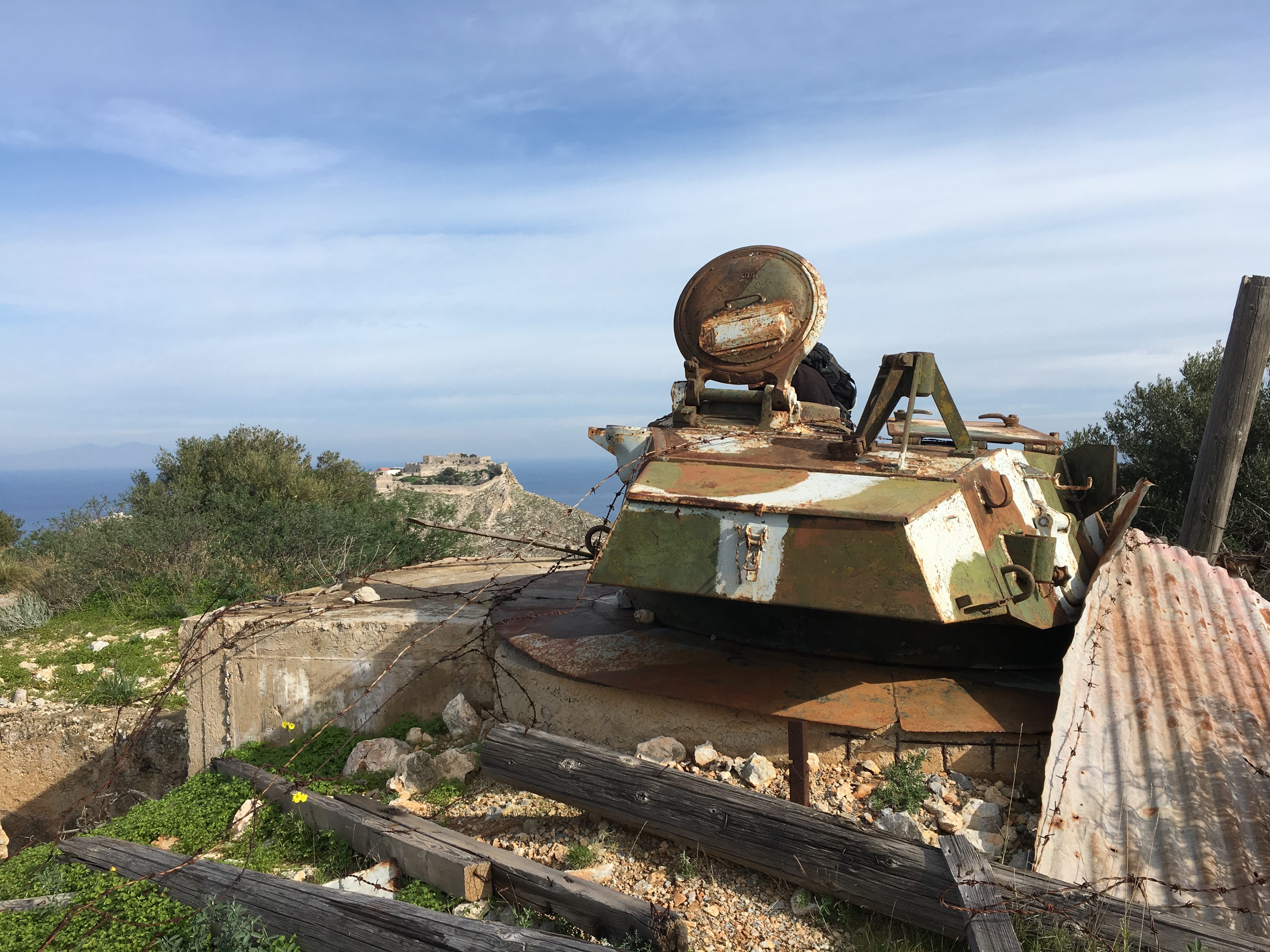
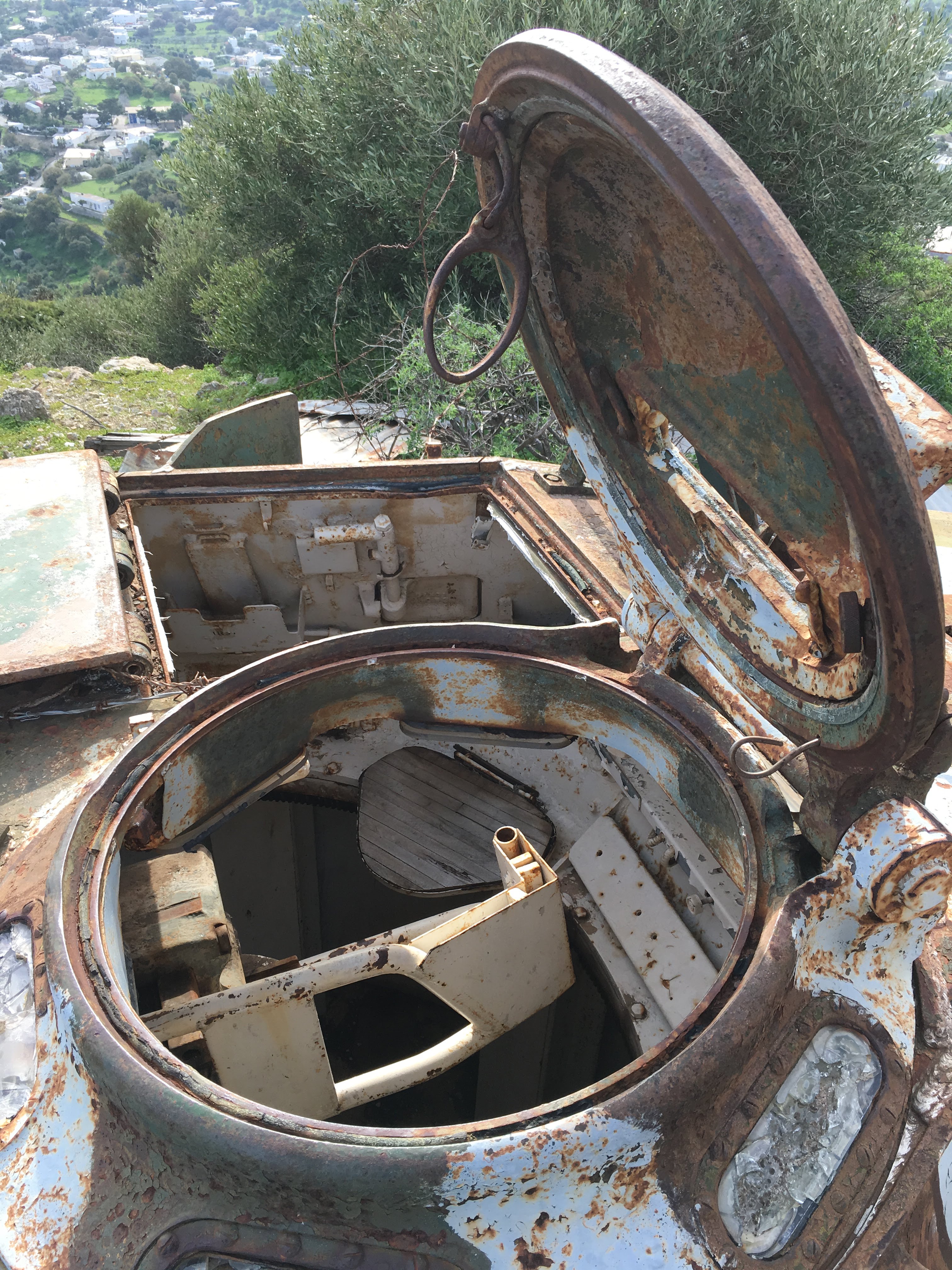
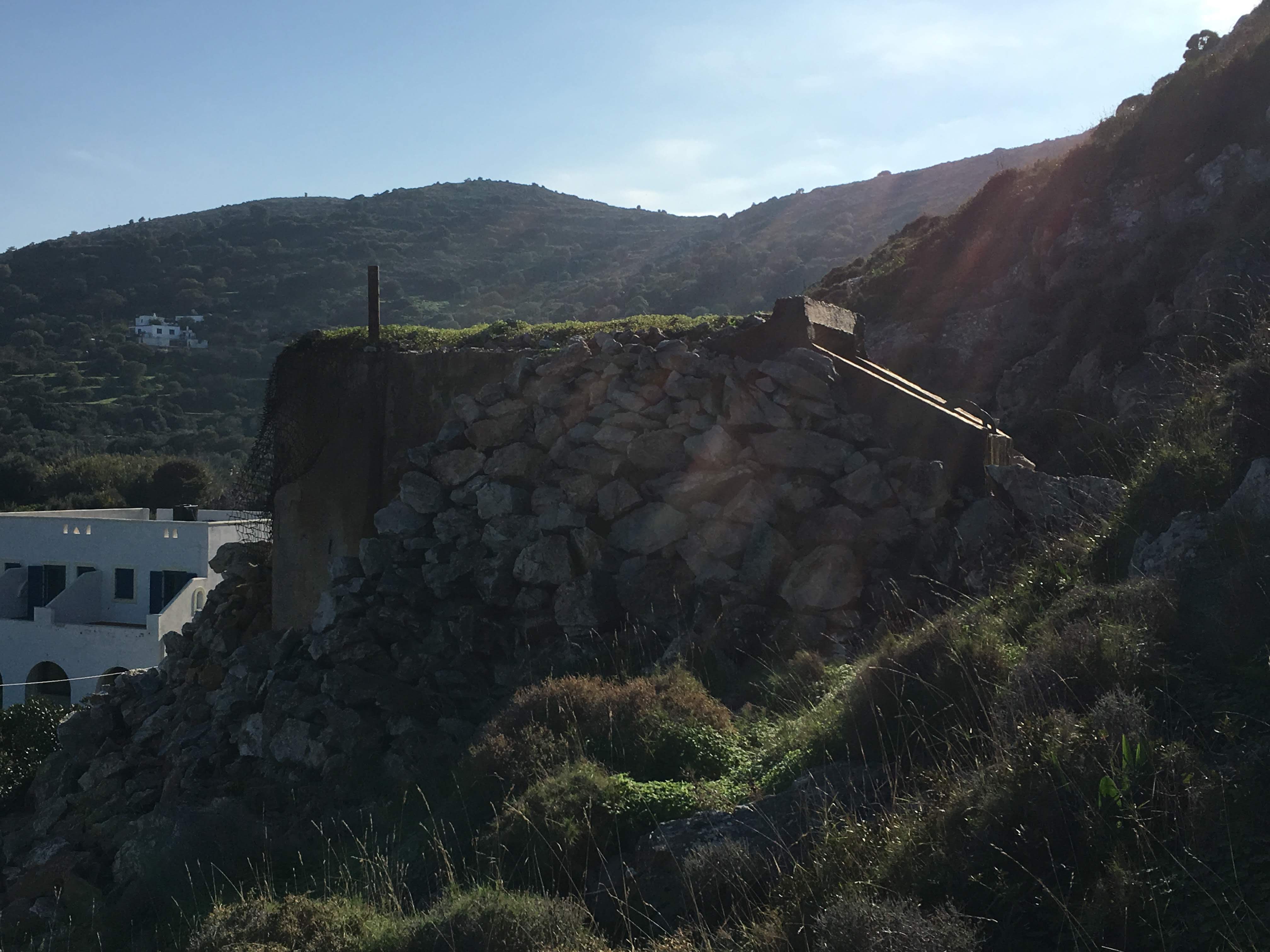
On every high point there are more bunkers and gun emplacements/batteries. If the concrete housing has gone, you can still see the circle of bolts which held the gun down. Some are completely smashed up and others are very well preserved. Even in the towns, just along the normal everyday road, there are bunkers. We are always amazed when we see another one, we have lost count of how many we have seen!
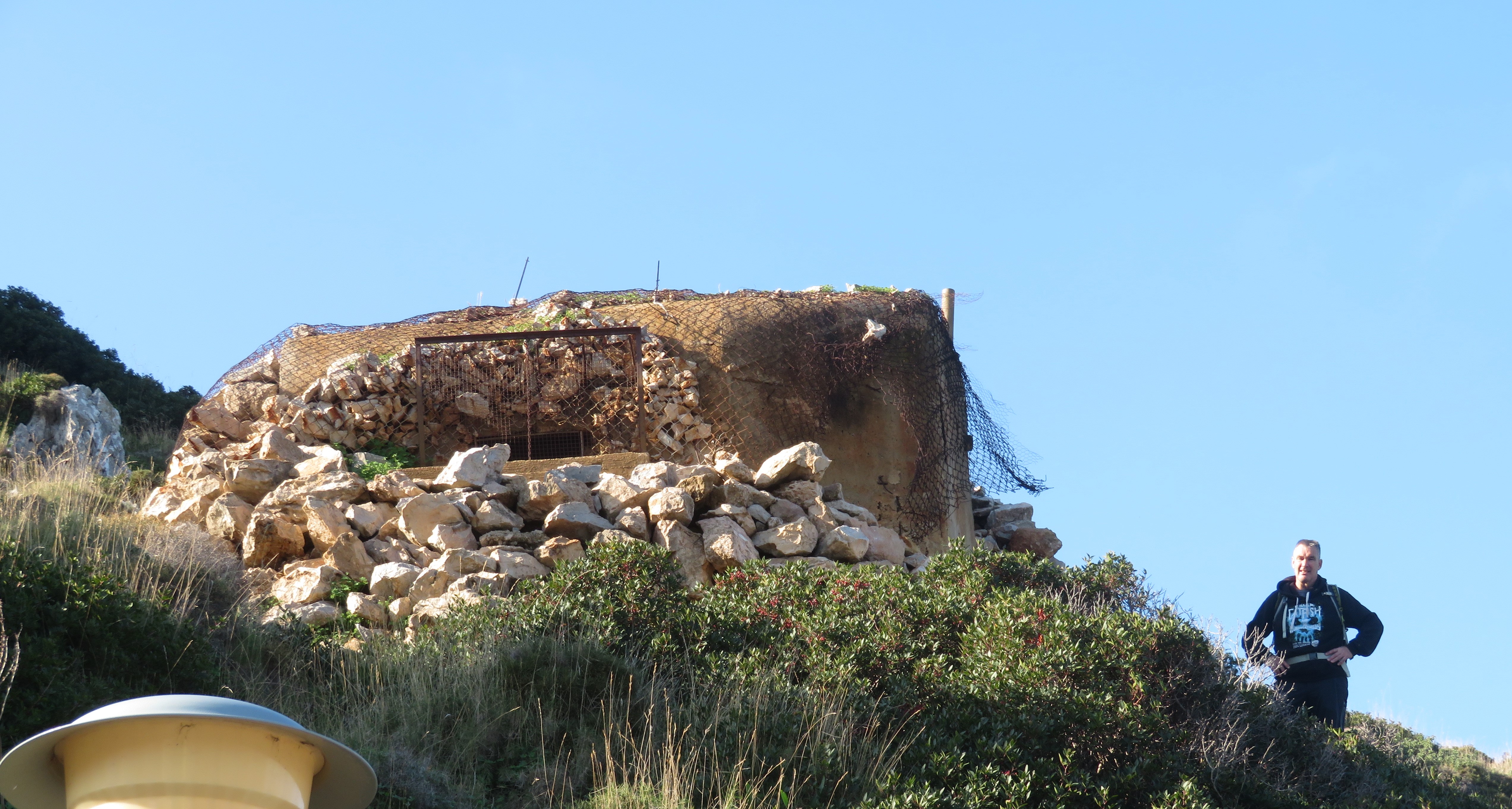
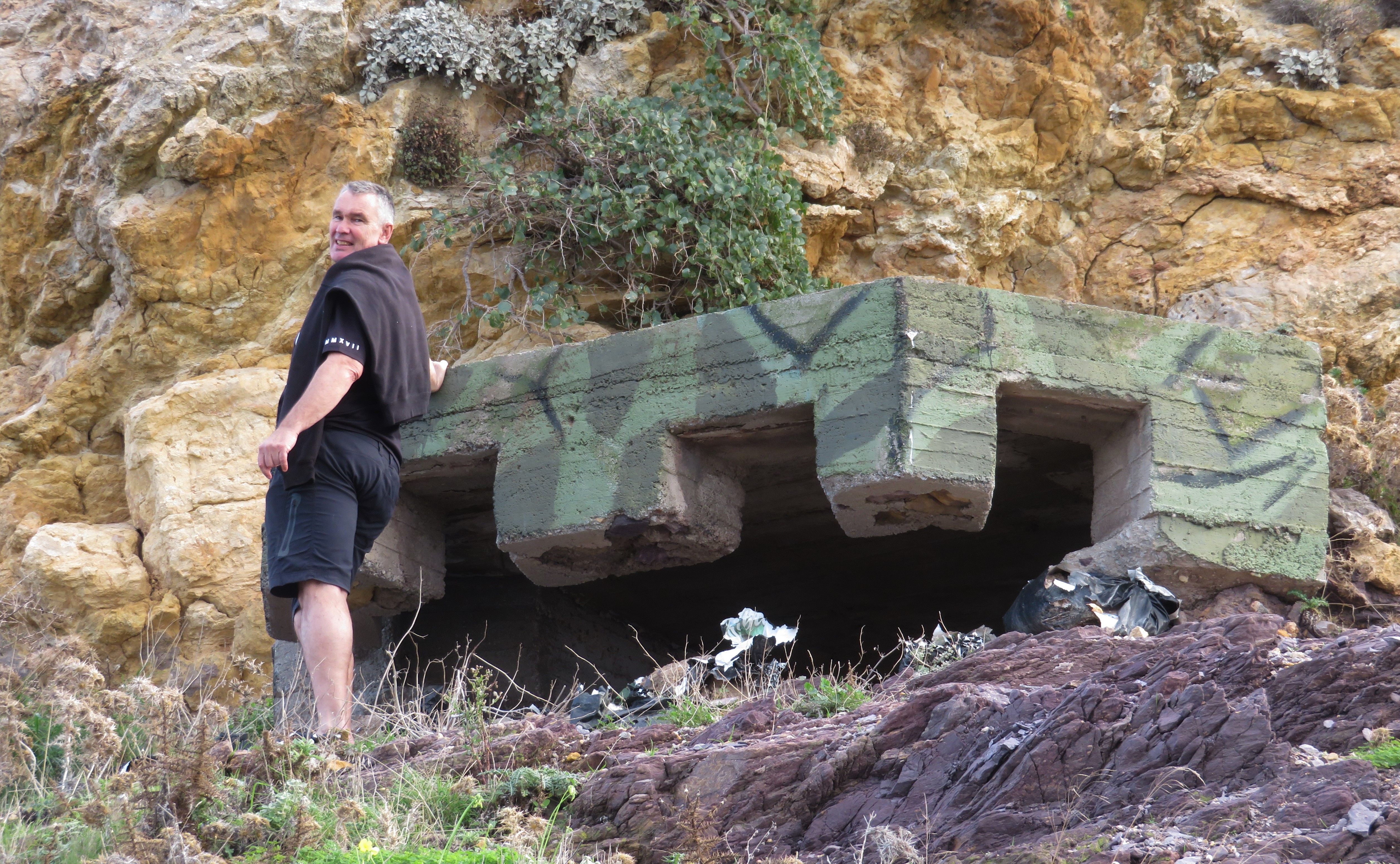
Lakki harbour is the deepest in southern Europe and this is where Mussolini set up the Italian Royal Navy base. The harbour was heavily fortified with double booms across the narrow entrance and batteries defending it on each side. I have read about submarine nets around too. The sea all around the island is littered with wrecks of ships and airplanes, it really is a living museum. So many lost their lives here. We believe there were over 80 Kiwi special forces deployed here but only half have been accounted for. We have been to the war graves cemetery but no sign of our brave Kiwi boys.
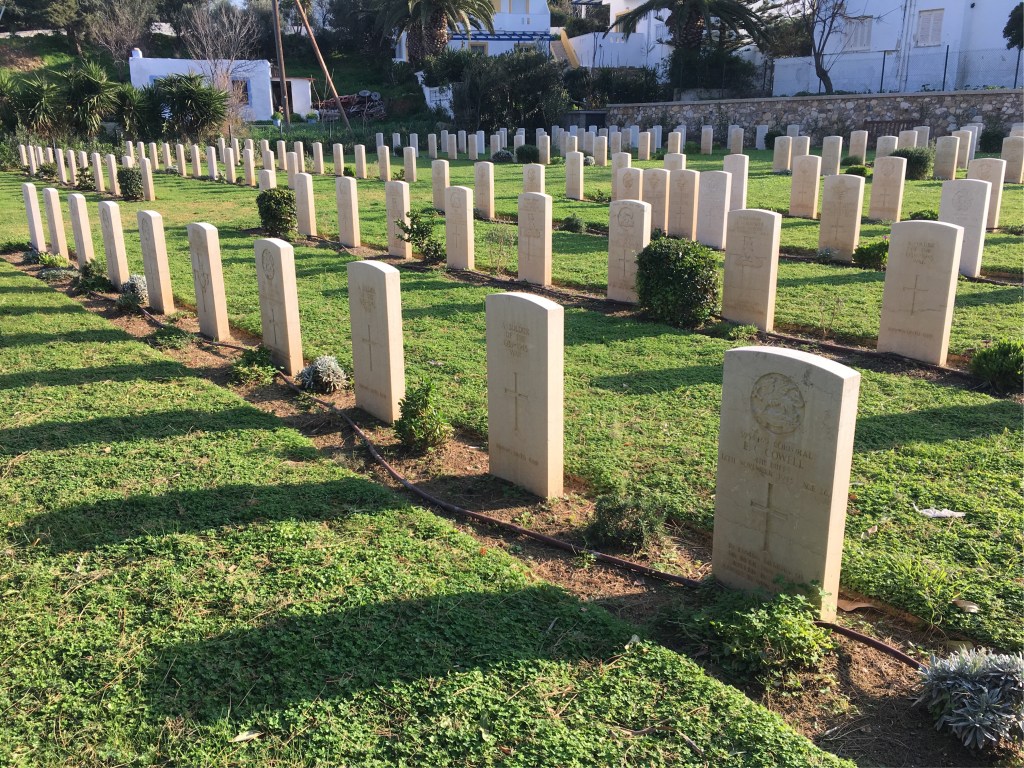
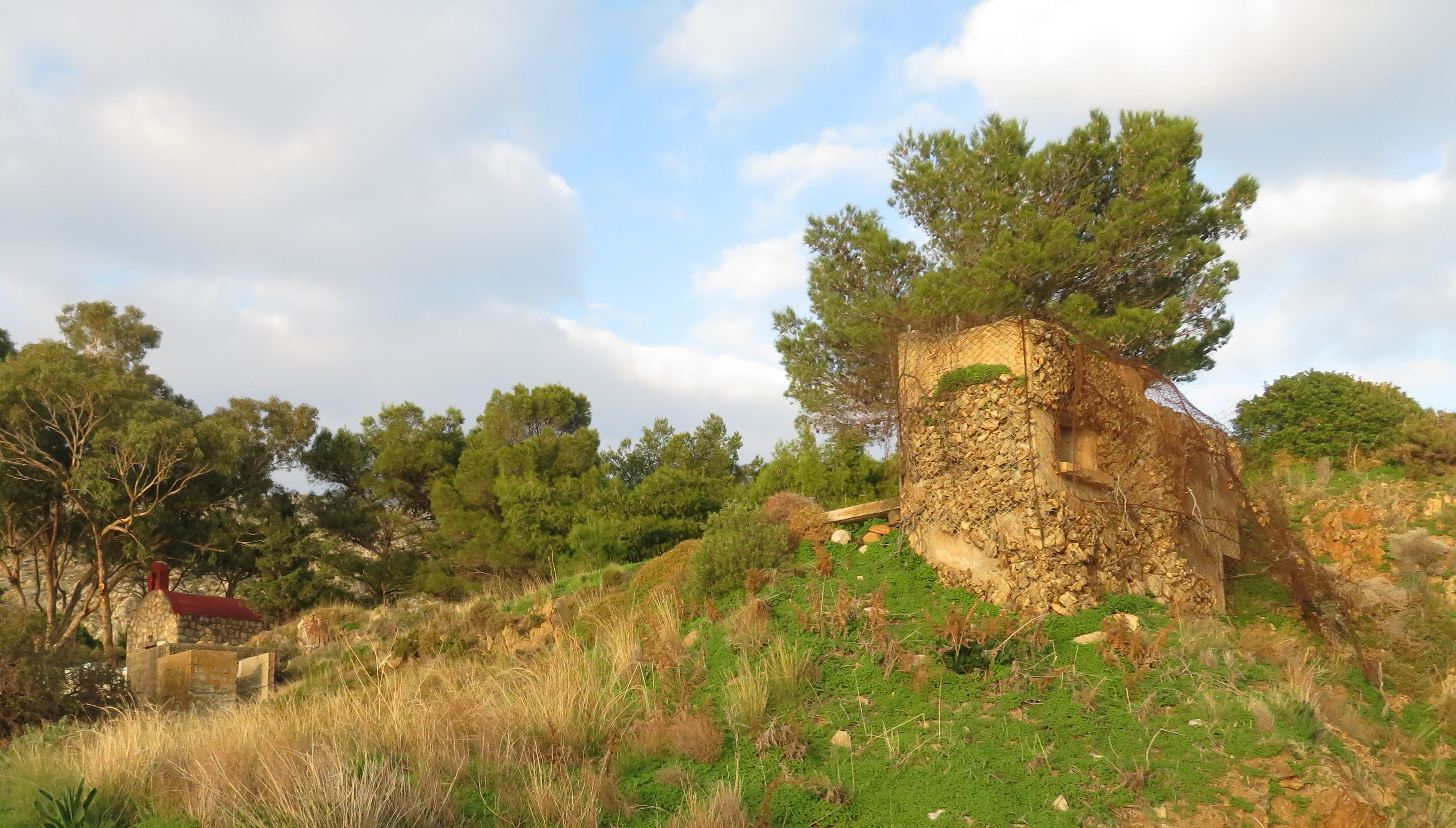
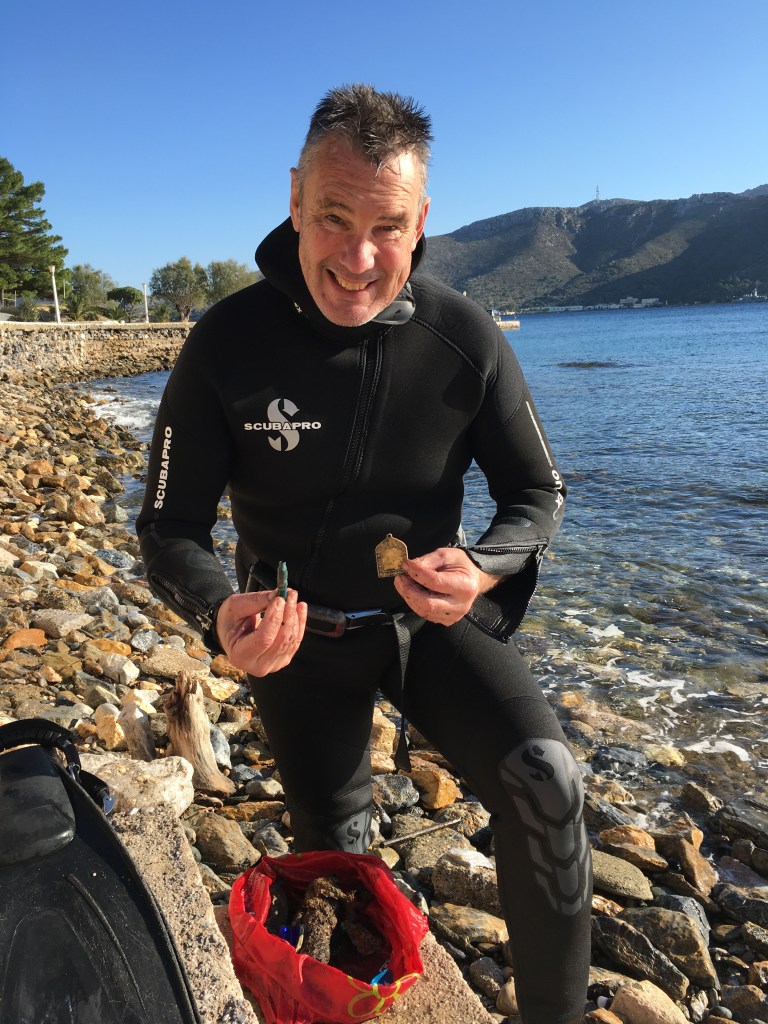
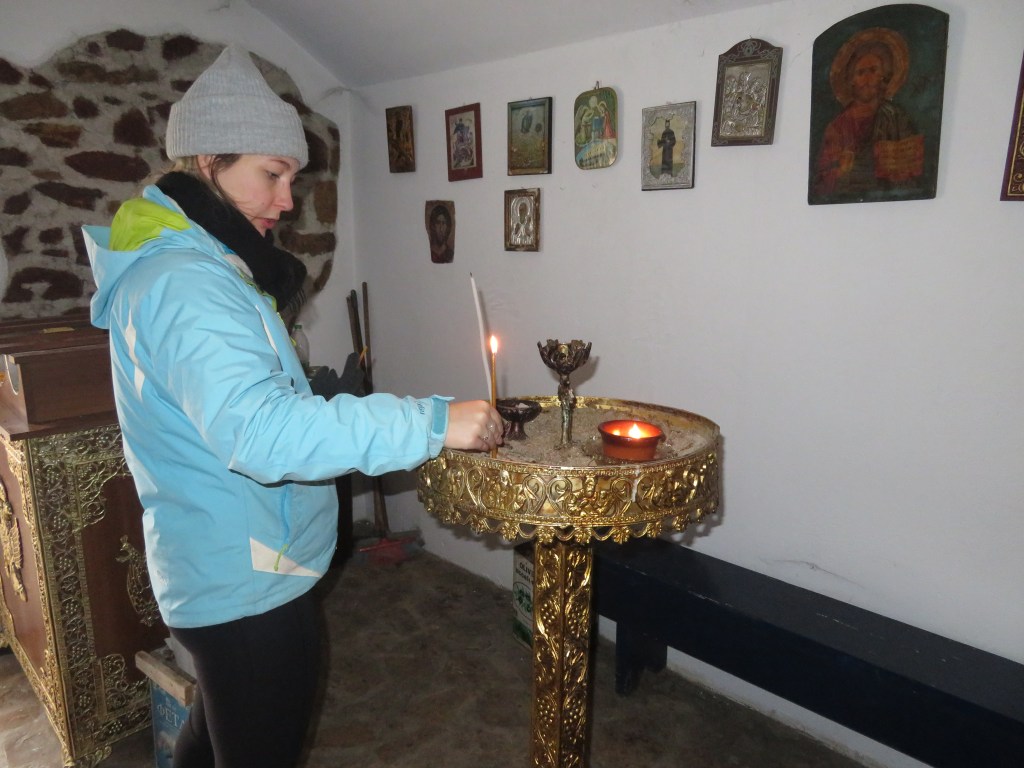
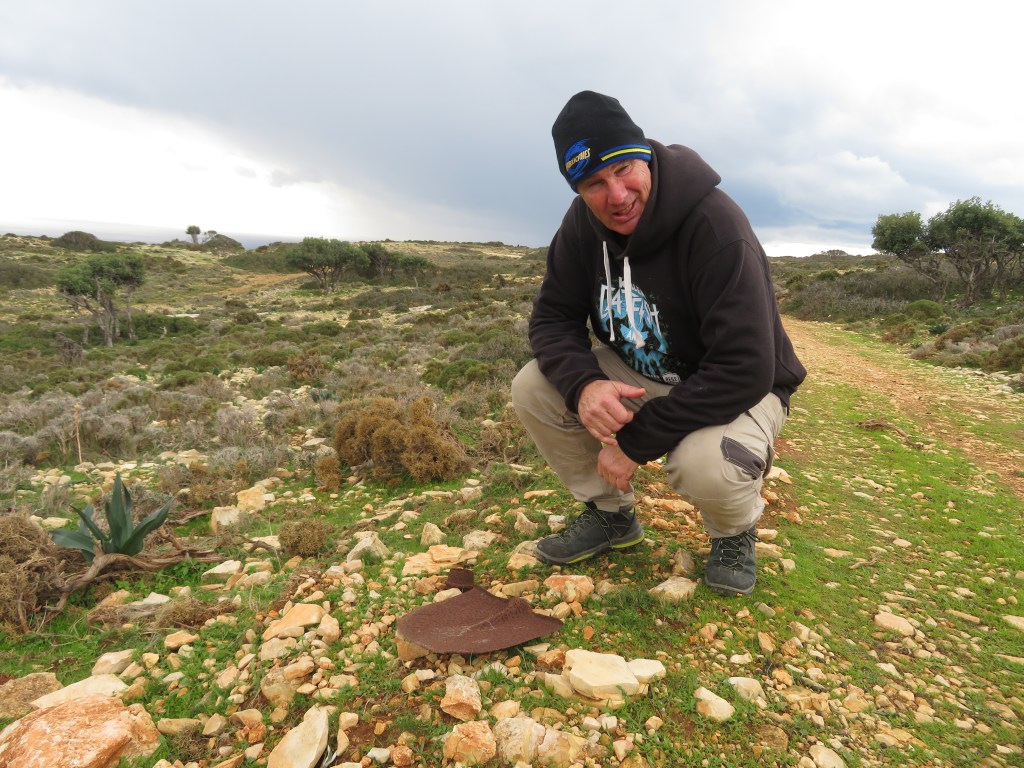
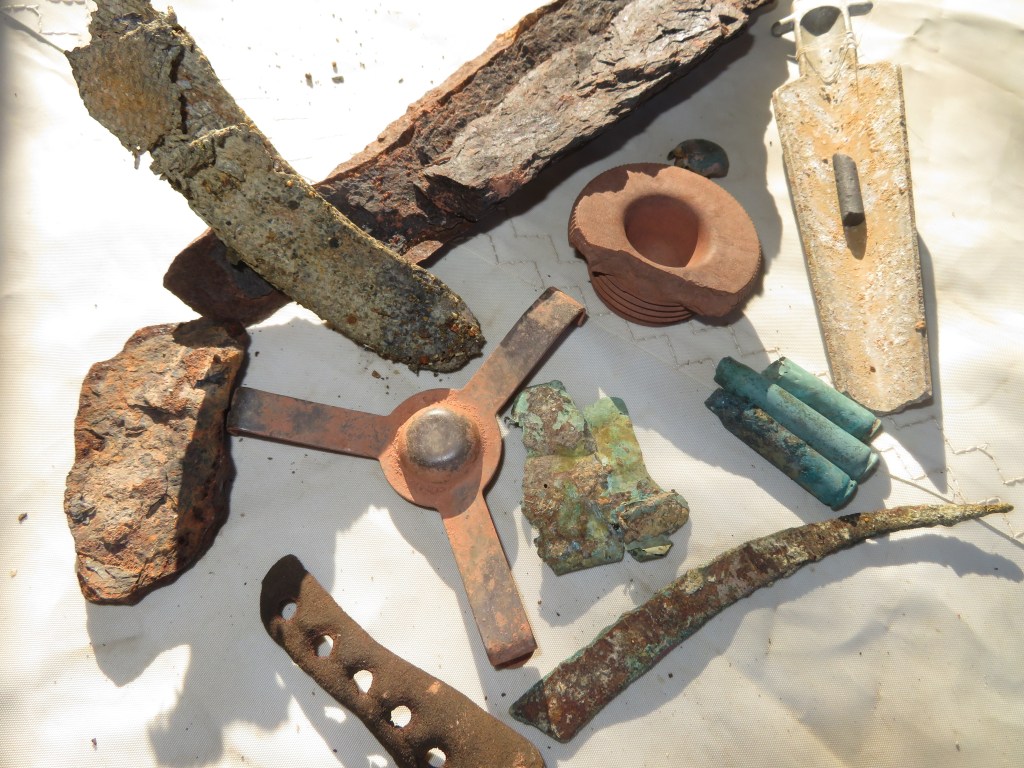
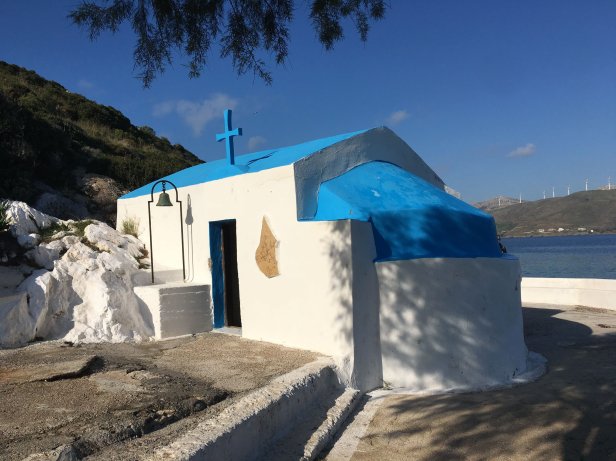
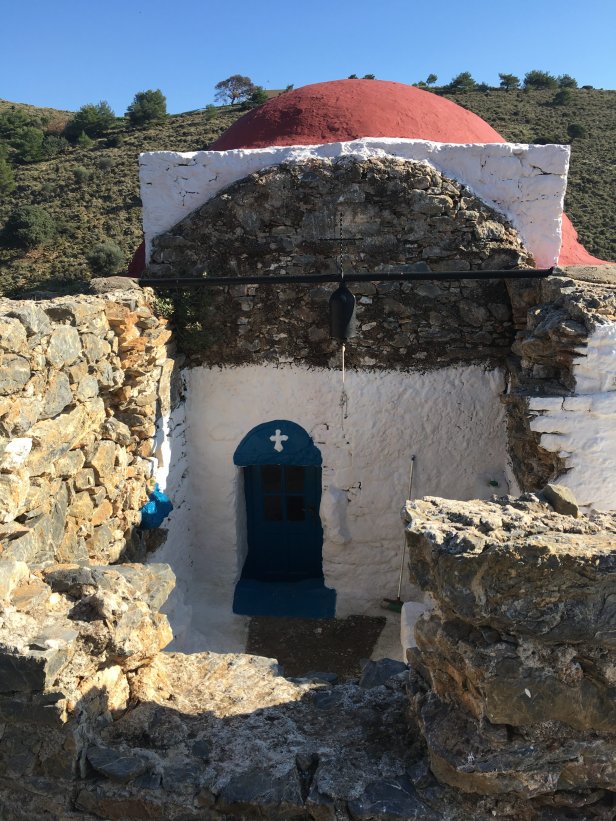
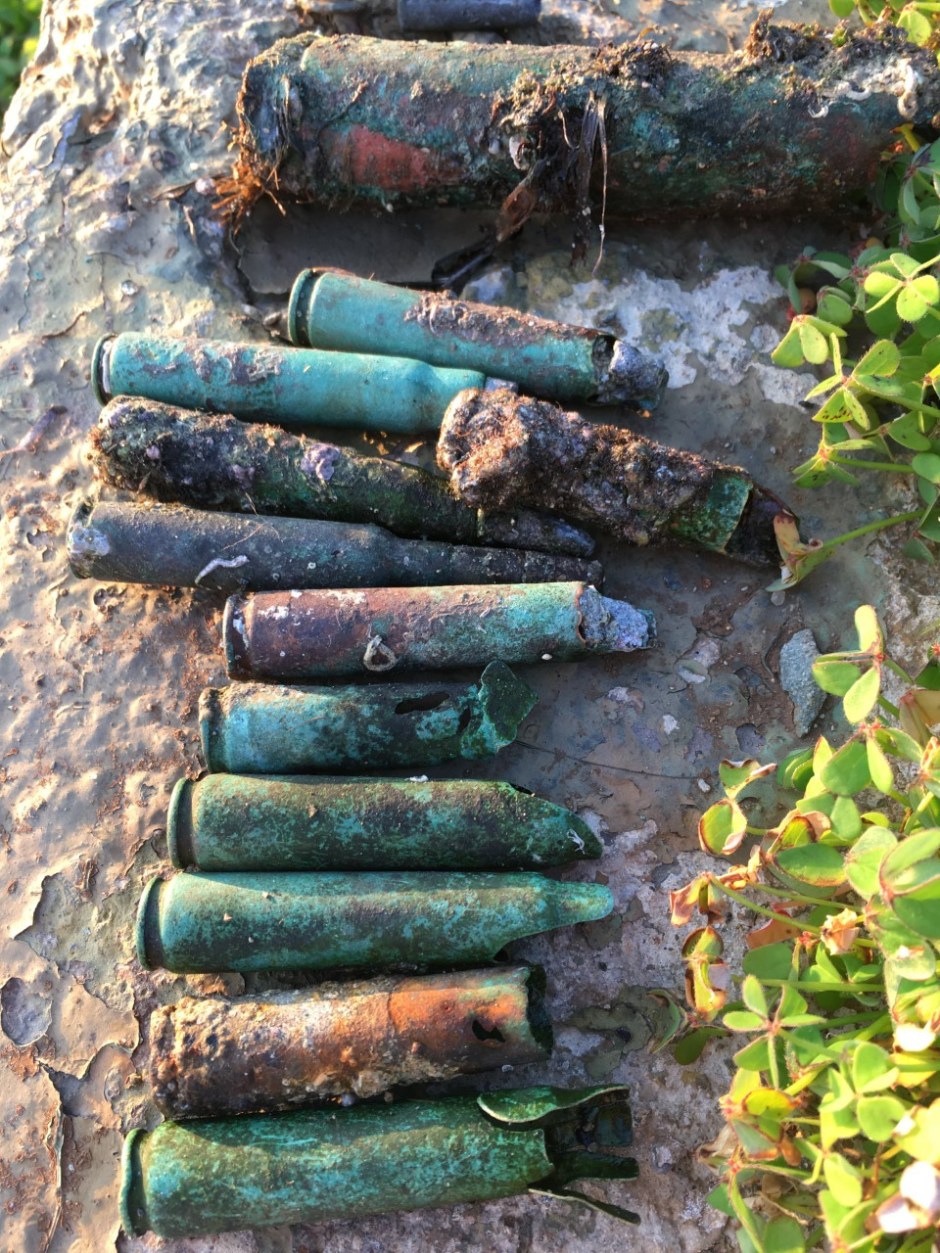
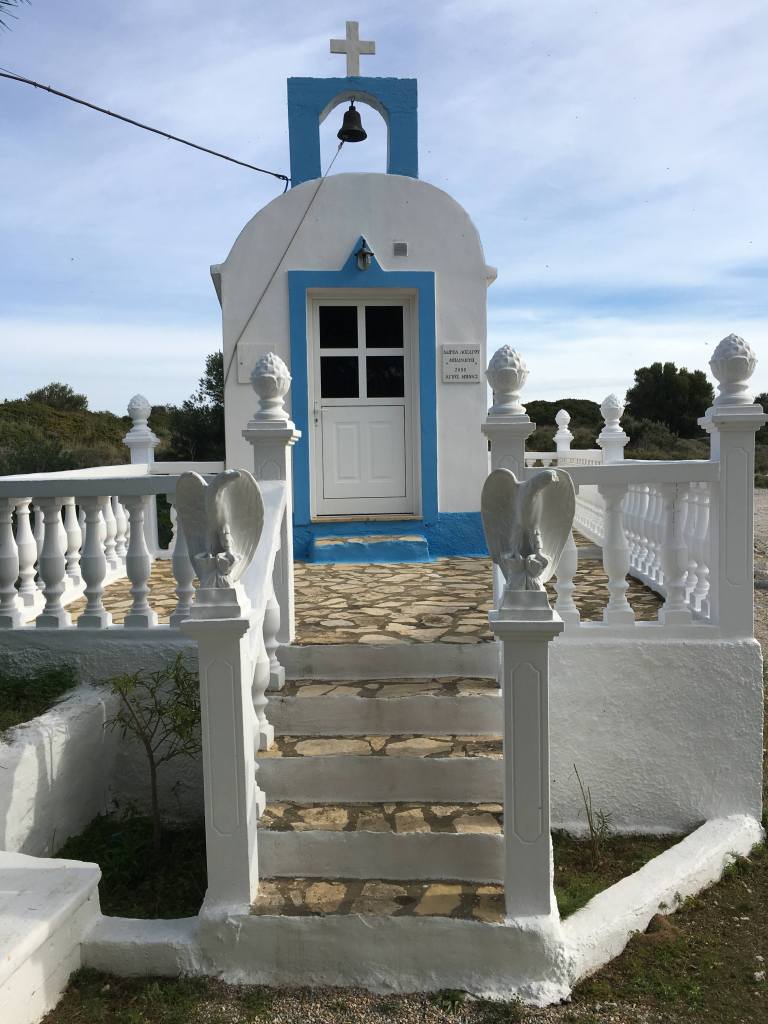
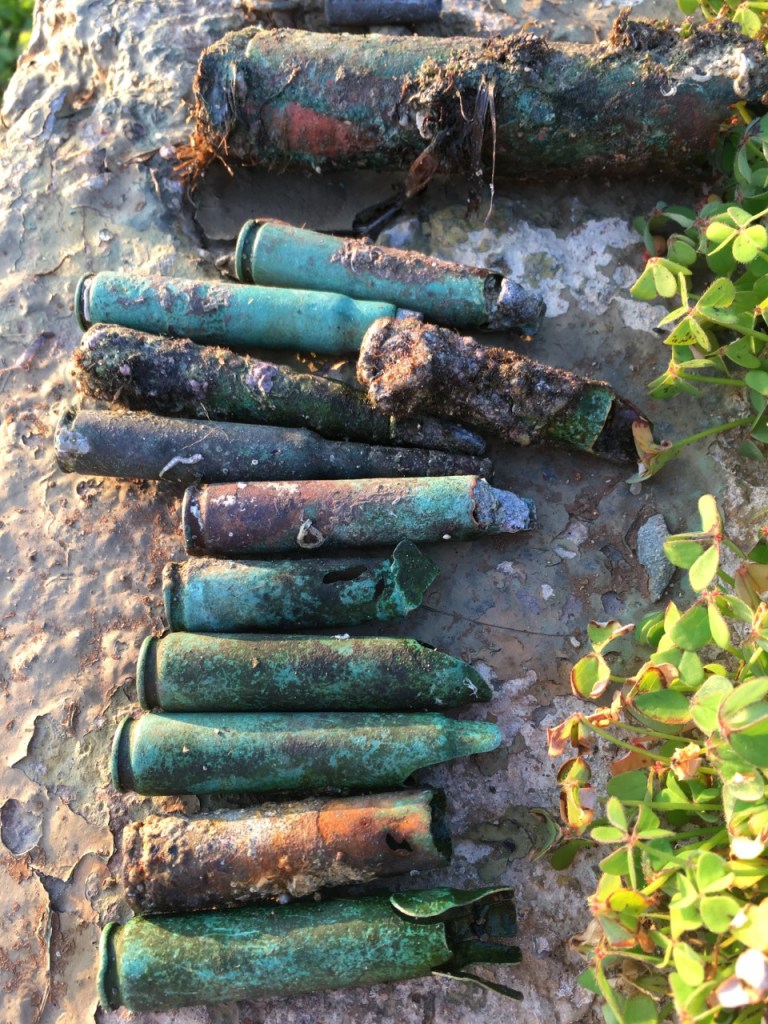
We spend a lot of time wandering around these sites. The Italians were building these bunkers for many years before the war even started, they had occupied Leros for 30 years and knew that someone would be along at some point to try to take it off them – and they did. Quite often there will be a chapel built near where bunkers are, it is nice to be able to go in and light a candle for the fallen soldiers. There are many war relics still to be found all over this island. We are  finding various pieces of metal and wonder what they are from, most likely shrapnel. Chris is doing a bit of snorkelling and comes up with bits a pieces most dives. A lot of bullets, some have been fired, some not. The whole of Leros was bombed to bits. Its fascinating and very tragic.
Leros has a very long and complicated history, an incredibly interesting place. Nowadays she is a sleepy, peaceful island with beautiful people. Today, 8000 permanent residents, 1943 there were 25000 people on the island, it’s hard to imagine what it was like. 
Did you know

The story of the famous novel “Guns of Navarone” is based on the Battle of Leros, and Leros island’s coastal artillery guns — among the largest naval artillery guns used during World War II — that were built and used by the Italians until Italy capitulated in 1943 and subsequently used by the Germans until their defeat.

This is our Island in the Sun

Well not quite! This is Leros Island in the Dodecanese group of Greece Islands and it is winter! January and the temperatures are around 11-15 daytime dropping to the lowest so far of 7 at night, so not really too bad. A lot of rain though and very windy. We watch from our house the 7 wind turbines as they turn and think of all the electricity they are producing for this tiny island. 54 km/sq, 15 km long and only 1.5 km across at the narrowest point with only 8000 permanent residents. It is about a third of the size of Vieques, where we house sat for 5 months in 2017. We seem to be attracted to islands! This is our 4th island housesit!

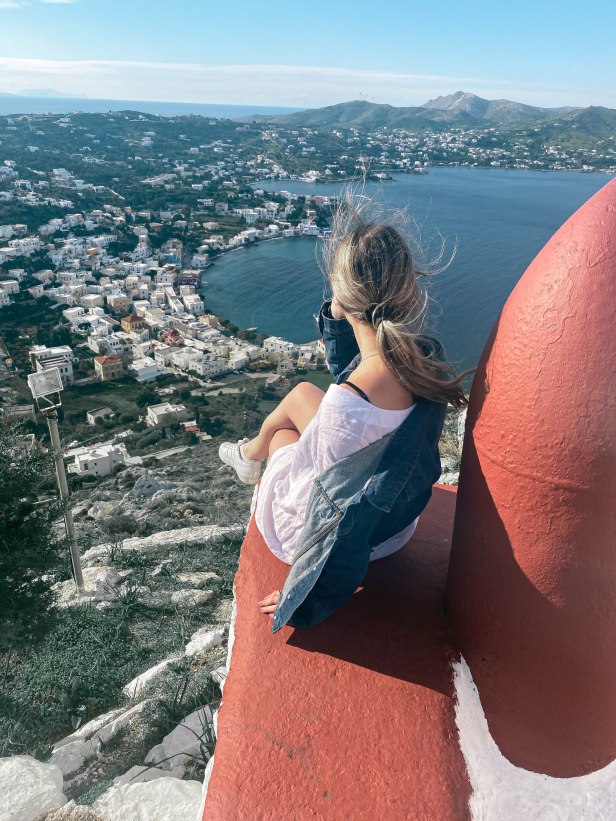
Like sitting on top of the world! My beautiful daughter Leigh-Ann came to visit

The terrain is very hilly, though if you Google Leros you will be told that it is a relatively flat island perfect for cycling and walking! Hmmm, we get a different view, but, the highest point is only 320m. I am thinking that because it is so small, makes it very steep to get up to those high points. 

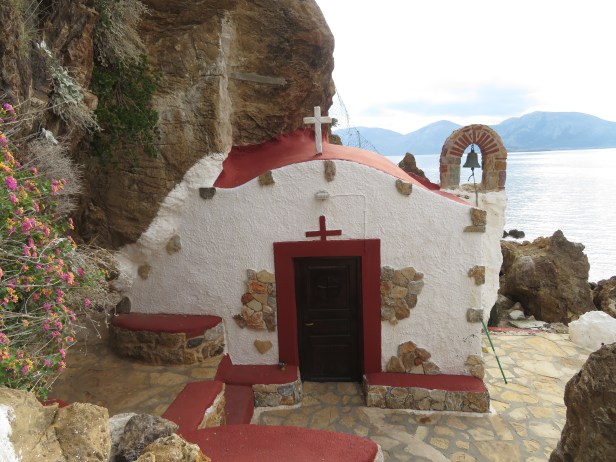
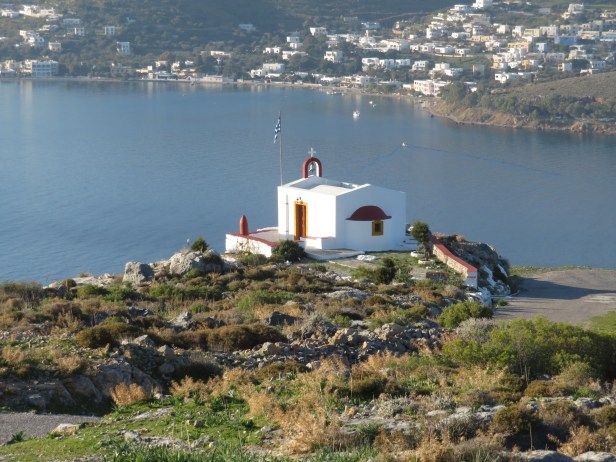
The island is steeped in history, from the ruins of the temple of the Goddess Artemis, which dates back to 3rd-4th c BC to WWII bunkers and war remnants everywhere we go. We are very lucky to have a car so have taken full advantage to orientate ourselves with the island and are now getting out on foot to explore even more. I am so taken with the little chapels everywhere, they are immaculately kept and are all open and inviting. There is an opportunity to light a candle which brings a lovely feeling of peace. Quite often we are finding that at each site of these lovely chapels, there are also some WWII bunkers or tunnels.  Even just along some of the roads we see evidence of the second most bombed Greek island after Crete.

Oxalis

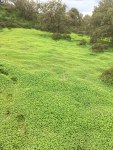
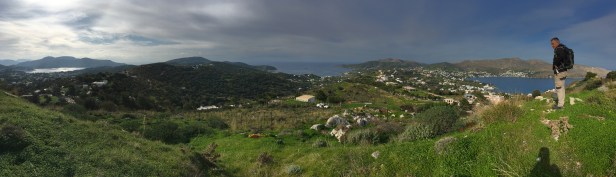
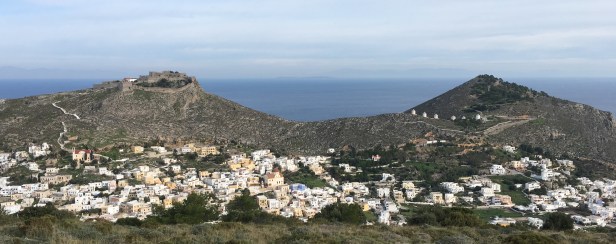
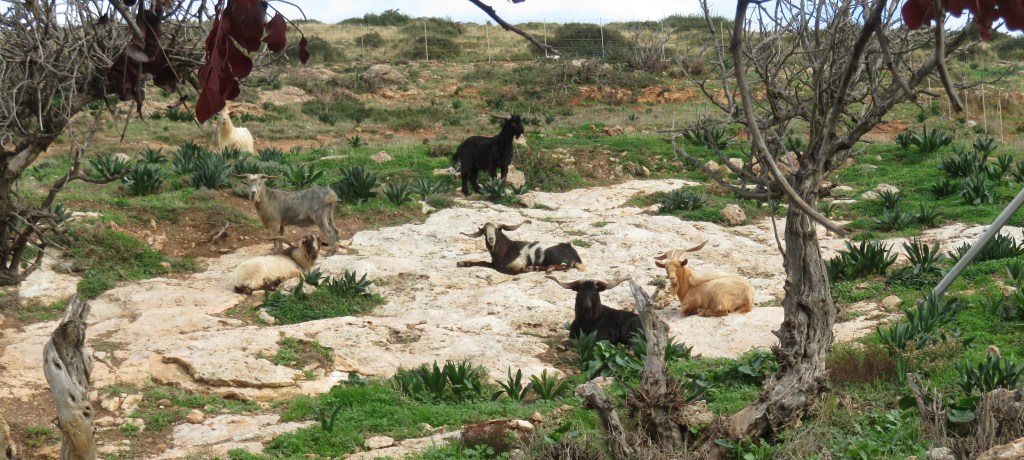
So hiking around the many peaks of Leros is really interesting. Something to see on every corner. And the scenery is stunning. Though it is winter and we have had a few hearty storms and overcast days, we have also had a few days of stunning blue sky and Leros just comes alive! It is very green in places, but we find this is from the weed Oxalis which is everywhere, and very barren in others. Some of the hills look like they are from the moon or the desert, so rocky and very harsh. Perfect for the 1000’s of goats, each with a bell!, I love hearing the goats everywhere, to me its the sound of Greece. From most of the peaks you can see every corner of the island, 360° views, therefore, seeing all coasts at the same time.

You can see the whole island from some points
Guarding the island

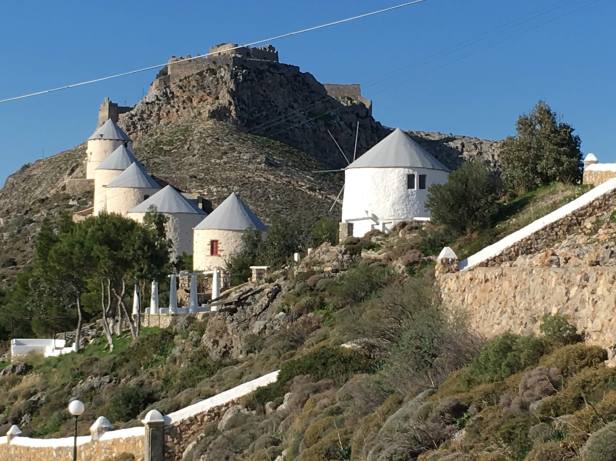
The stunning Castle of Panagia in the East, seems to overlook the whole island. At night she is lit up and almost looks to be floating above Platanos. I believe it is not clear when the castle was first built but there are indications that she existed in 1087. You can walk the 365 steps through the winding streets and onto the hill to get to her. On the way you pass the lovely Prophet Elias Church. The vista is breath taking!  The castle was used by the Italians as barracks and a lookout post during WWII.  We have been up a couple of times, the view from the top is quite incredible, but unfortunately with it being winter, it is closed to go inside.

Prophet Elias Church
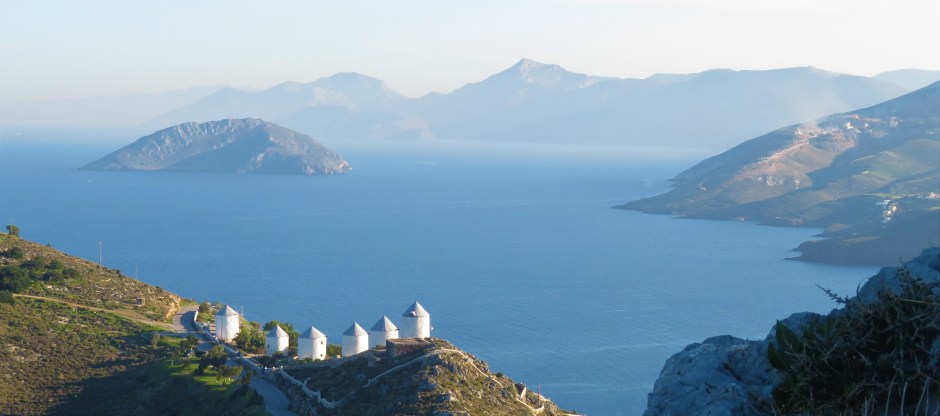
Castle of Panagia and traditional windmills

Right opposite the castle are the traditional windmills. They are so picturesque and you will find them on a lot of google searches of Leros and also souvenirs. Many around the island have been restored and some are now guest houses, but were used primarily to grind grain. It is hard to find information on some of these things, its as if it is just here…. No explanation or reason….it just is.

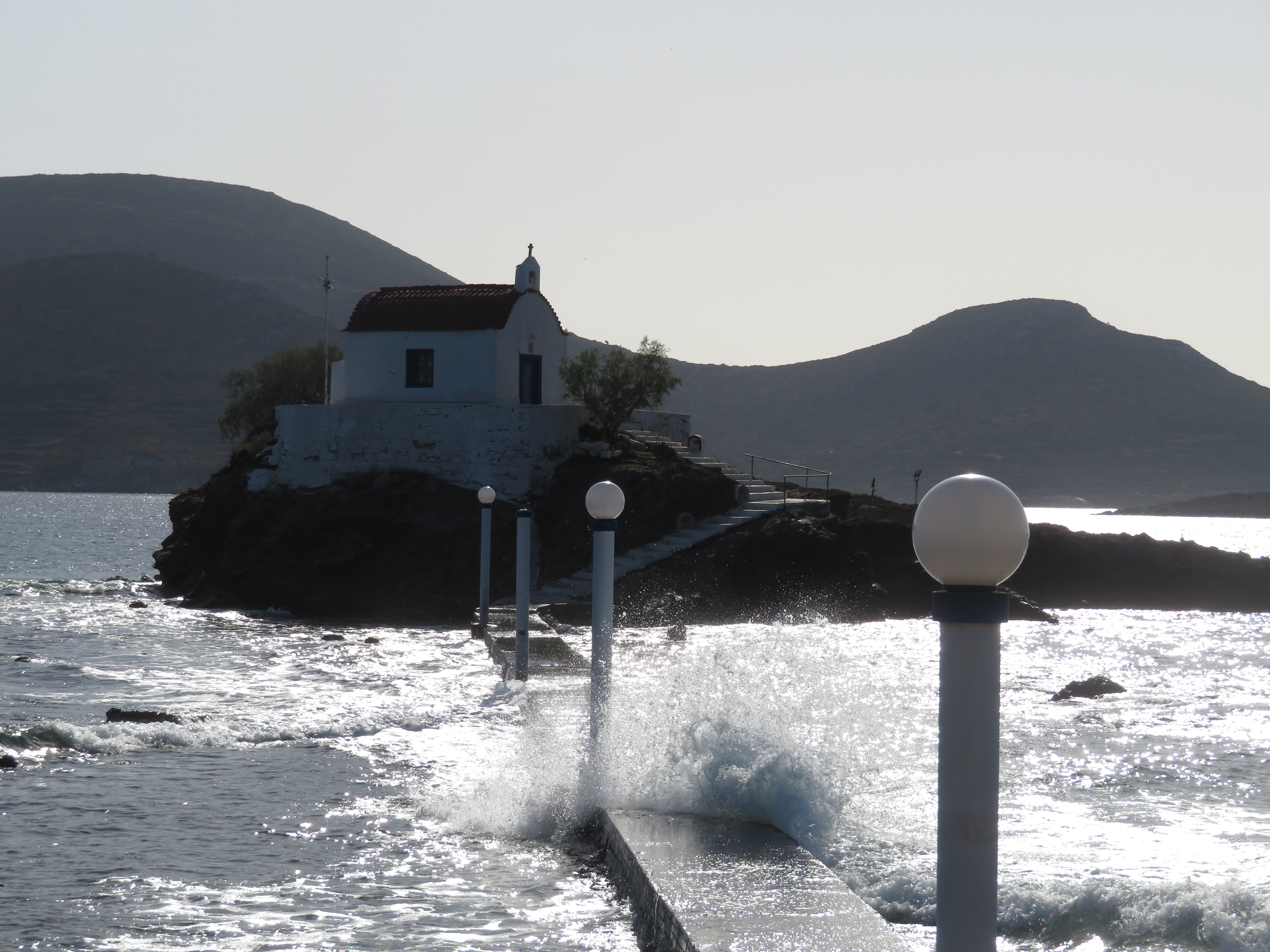
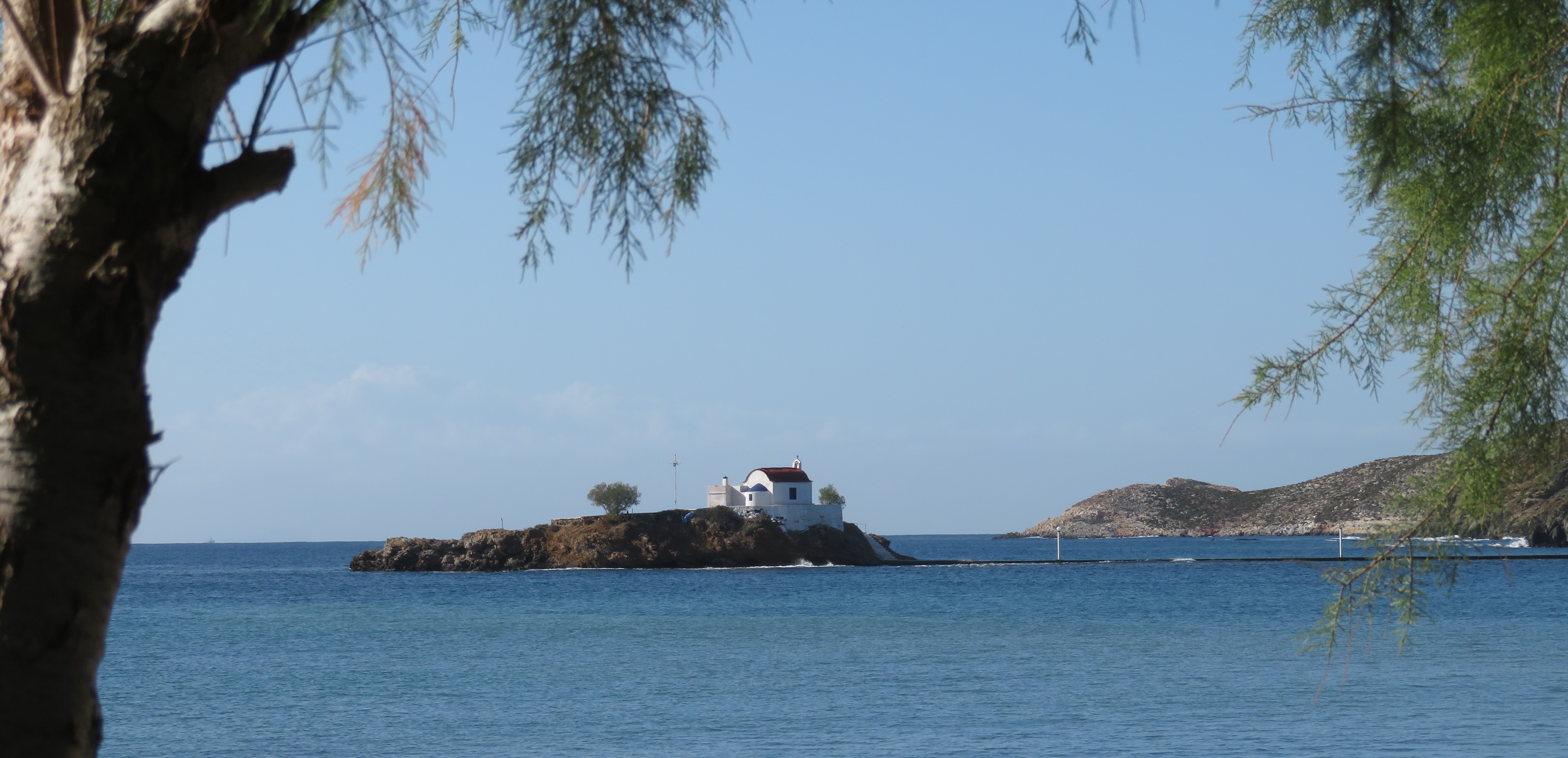
The Church Agios Isidoros is another Leros icon. She is pretty special! She has her own island and you have to get your timing right to get out to her. The path is very slippery and the waves crash over it most of the time. Again, so picturesque! And especially stunning when the sun comes out. We can see her from our “home” in Gourna Bay.

There are a few museums on the island which we would love to see but again they are closed as it is winter. This is a common theme on the Greek Islands. This goes with the many restaurants as well, a lot will only be open in summer.

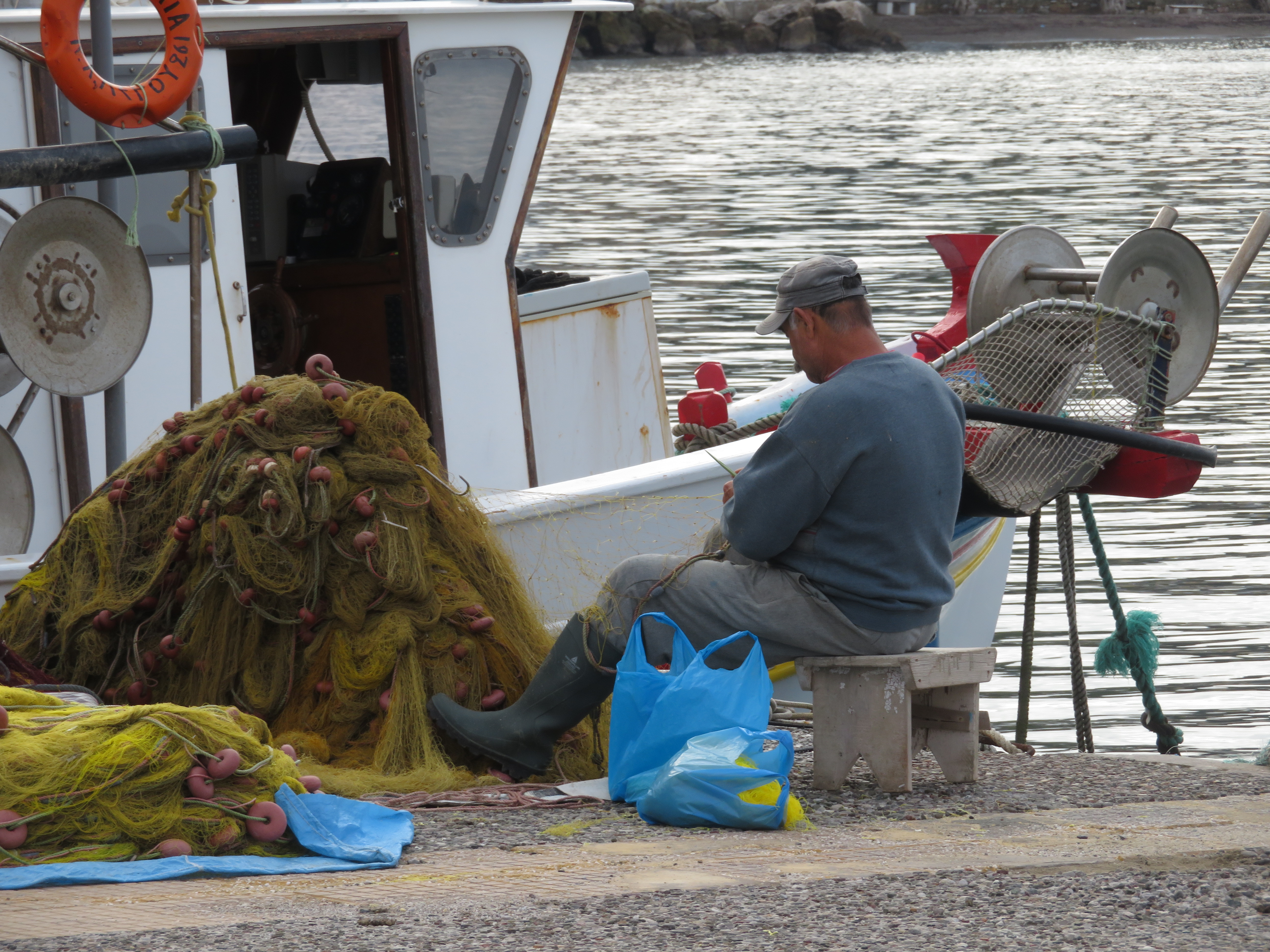
Leronians are so friendly! We are so lucky that most people speak a good amount of English, we did think we were in for a tough time with Greek as the local language, but not so. Everyone here has a Hello or “Kalimera” and big smiles, nothing is too much trouble. We are slowly getting used to the “Mediterranean” thing when eating out, being fed more and more food, extra food besides what you have ordered if you have ordered any, that you don’t have to pay for! Its incredible, we can go to the café at the bottom of the drive and buy a beer and get a platter of food, then get a couple of wines and get another platter of food, then finish with an oyzo and get more food, without paying for one bite. We go in for a sundowner and come out fully stuffed thinking “well that was dinner” We feel a little embarrassed but on talking to others, it is just the way of things in Greece. The people are just so hospitable. And you always get a cake or biscuit with a coffee, it is so lovely.

So many goats

Such a lovely place! Great people, great food, we kinda like this little island in the sun!

Λέρος, ευχαριστούμε που μας έχεις

Leros, thank you for having us